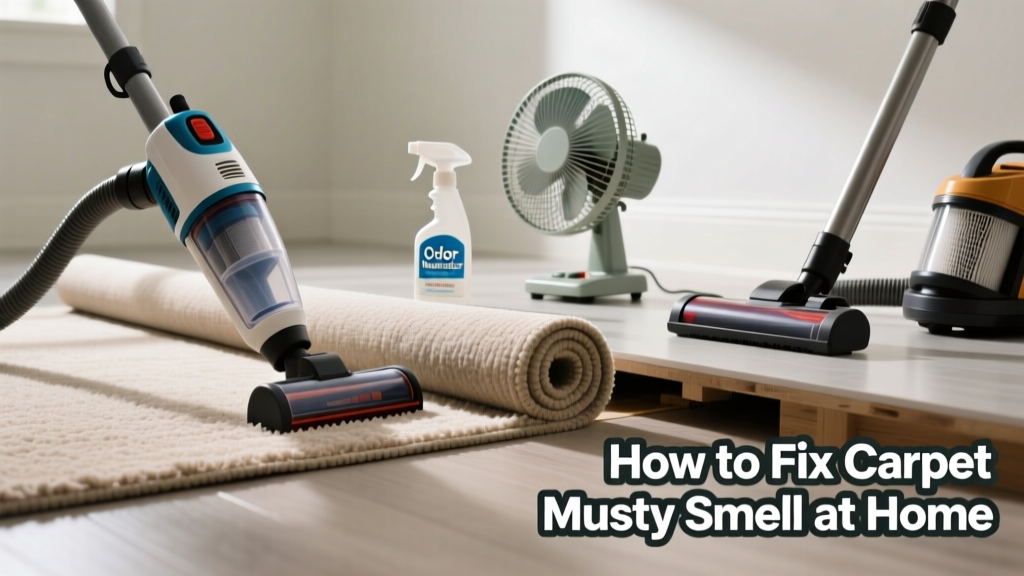
That damp, earthy, sour odor clinging to your carpet isn’t just unpleasant—it’s often a red flag for hidden moisture or microbial growth. If you’ve noticed it after rain, a spill, or even without an obvious cause, don’t ignore it: musty smells can signal mold spores, bacterial buildup, or trapped humidity beneath the pad. Left untreated, these conditions worsen over time and pose real health risks—especially for kids, seniors, and those with asthma or allergies.
Quick Diagnosis
Before treating symptoms, identify the root cause. Most musty carpet odors stem from one (or more) of these issues:
- Water damage from leaks, floods, or poor ventilation
- Mold or mildew growing in the carpet backing or padding
- Pet urine that’s soaked into the subfloor and fermented
- High indoor humidity (above 60%) encouraging microbial activity
- Old carpet padding retaining moisture and decomposing
Tools & Materials Needed
| Item | Purpose | Estimated Cost |
|---|---|---|
| HEPA vacuum cleaner | Removes surface spores and debris without recirculating them | $120–$300 |
| Carpet steam cleaner (hot water extraction) | Kills microbes and lifts deep-set moisture and odor sources | $150 rental/day or $250–$600 purchase |
| Enzyme-based odor neutralizer | Breaks down organic odor sources like urine or mildew metabolites | $12–$28 |
| Dehumidifier (50+ pint capacity) | Lowers ambient humidity to inhibit mold regrowth | $200–$450 |
| Moisture meter | Measures exact moisture content in carpet, pad, and subfloor | $60–$180 |
Step-by-Step Fix
Try these methods in order—start simple, escalate only if needed:
- Vacuum thoroughly with a HEPA-filter vacuum, moving slowly and overlapping passes. Empty the canister outside and replace filters.
- Apply baking soda liberally, let sit 12–24 hours, then vacuum again. For stronger cases, mix 1 cup baking soda + 10 drops tea tree oil (a natural antifungal).
- Steam clean using hot water extraction with a solution containing vinegar (1 cup per gallon) or a certified antimicrobial carpet rinse—never bleach (it sets stains and damages fibers).
- Treat underlying padding or subfloor if moisture readings exceed 15%: pull back carpet, dry the area with fans/dehumidifiers for 48+ hours, then spray with a EPA-registered mold inhibitor like Concrobium Mold Control.
When to Call a Pro
DIY stops where safety and structural integrity begin. Call a certified water restoration technician (IICRC-certified) if:
- You detect visible mold on carpet backing, padding, or subfloor
- The carpet has been wet >48 hours—or shows black, green, or fuzzy discoloration
- Odor persists after two full cleaning cycles and drying attempts
- You suspect sewer backup, HVAC condensate leaks, or chronic basement seepage
According to the Insurance Institute for Business & Home Safety's 2023 report, carpets saturated by Category 2 (gray) or Category 3 (black) water should be replaced—not cleaned—to avoid pathogen exposure.
Prevention Tips
Stop musty smells before they start with consistent habits:
- Maintain indoor humidity between 30–50% year-round using a hygrometer and dehumidifier
- Fix plumbing leaks within 24 hours—even small drips under sinks or toilets
- Rotate rugs seasonally and lift carpet edges quarterly to inspect padding for discoloration or stiffness
- Vacuum high-traffic areas twice weekly and deep-clean carpets every 6–12 months
- Use washable, breathable rug pads (like felt or rubber-grid) instead of foam or synthetic sponge types
Can I use bleach on this?
No. Bleach doesn’t penetrate carpet fibers deeply enough to kill mold roots and can degrade nylon or wool fibers. It also reacts with ammonia (common in pet urine) to produce toxic chloramine gas. The U.S. EPA advises against bleach for carpet mold remediation—opt for EPA-registered antimicrobials instead.
Will air fresheners help?
Air fresheners mask odor but do nothing to eliminate microbial growth. In fact, aerosol sprays can feed certain molds by adding sugars or alcohols. Focus on moisture control and source removal first—then ventilate with fresh air.
How long does it take for the smell to go away?
With proper drying and treatment, surface-level odors fade in 2–5 days. Deep-seated microbial issues may require 10–14 days of continuous dehumidification and airflow. If the smell returns after 2 weeks, suspect hidden moisture behind baseboards or under cabinets.
Is carpet replacement always necessary?
No—but it’s required when padding is saturated, mold penetrates subflooring, or carpet has been exposed to sewage or floodwater. The Carpet and Rug Institute recommends replacing carpet and padding if moisture readings exceed 18% in padding or 15% in subfloor for more than 72 hours.
Can I test for mold myself?
DIY kits (like those from MoldCheck or Pro-Lab) offer limited accuracy—they only sample surface spores and can’t assess hidden growth. For reliable results, hire an industrial hygienist who uses air sampling, tape lifts, and moisture mapping. Their findings guide whether cleaning or replacement is appropriate.
Does pet urine cause musty smells?
Yes—especially when it soaks past the carpet into padding and subfloor. Urine breaks down into ammonia and mercaptans, which combine with moisture and bacteria to create a sour-musty hybrid odor. Enzyme cleaners work best here, but only if applied before the urine dries completely.
Musty carpet smell isn’t just a nuisance—it’s your home’s early warning system. Addressing it promptly protects both your indoor air quality and your flooring investment. For related issues, see our guides on how to fix sagging carpet and carpet stain removal. If you’re dealing with persistent dampness, consider pairing your efforts with a dehumidifier installation guide to keep humidity in check year-round.