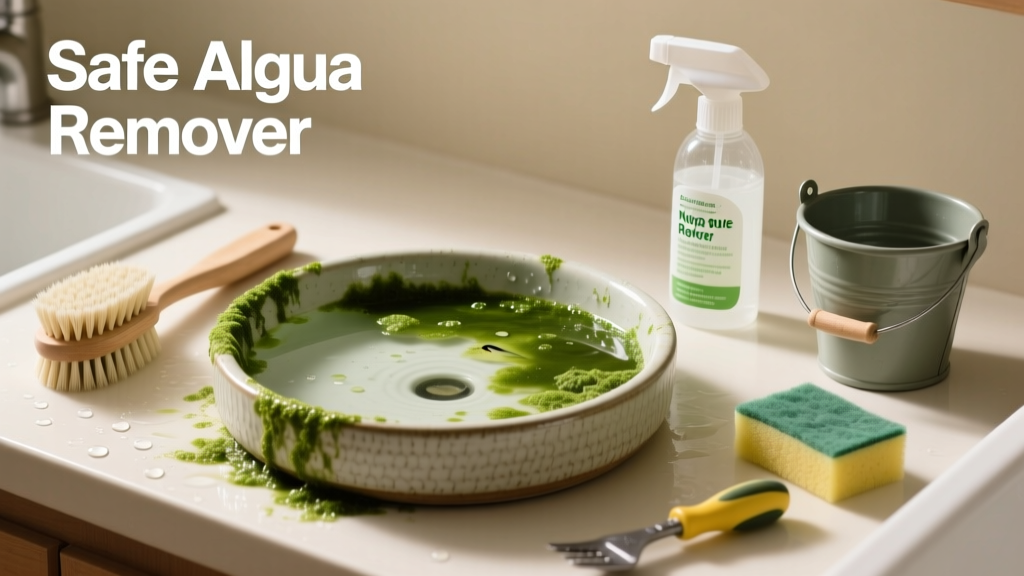
That once-clear birdbath now looks like a green swamp—and your feathered visitors are avoiding it entirely. Algae blooms aren’t just unsightly; they can harbor harmful bacteria and deter birds from drinking or bathing. The good news? Most cases are easy to fix in under an hour with common household items.
Quick Diagnosis
Algae growth isn’t random—it thrives under specific conditions. Spotting the cause helps prevent repeat outbreaks:
- Stagnant water (no circulation or daily refresh)
- Direct, all-day sunlight on the basin
- Organic debris buildup (leaves, feathers, seed hulls)
- Mineral-rich water (hard water accelerates biofilm formation)
- Infrequent cleaning—especially in warm, humid weather
Tools & Materials Needed
| Item | Purpose | Estimated Cost |
|---|---|---|
| White vinegar (undiluted) | Naturally breaks down algae without harming birds or plants | $2.50–$4.00 |
| Soft-bristle scrub brush (non-metal) | Cleans textured surfaces without scratching ceramic or stone | $3.00–$8.00 |
| Microfiber cloth | Dries thoroughly to inhibit regrowth after cleaning | $5.00–$12.00 |
| Small submersible fountain pump (optional) | Adds gentle water movement to disrupt algae’s life cycle | $18.00–$35.00 |
| Baking soda paste (1:1 mix) | Gentle abrasive for stubborn biofilm on stone or concrete | $1.00–$2.50 |
Step-by-Step Fix
Use these methods in order of severity—start with Method 1 unless heavy slime is present:
- Vinegar soak & scrub: Empty the birdbath, rinse with hose, then fill with undiluted white vinegar. Let sit 20 minutes. Scrub with soft brush, focusing on crevices and underside of rim. Rinse thoroughly with clean water—no residue allowed.
- Baking soda scrub: For persistent green film on porous stone or concrete, make a paste with baking soda and water. Apply with cloth or brush, let sit 5 minutes, then scrub gently and rinse.
- Hydrogen peroxide spot treatment: For small, localized patches (not full-basin use), apply 3% hydrogen peroxide directly with a spray bottle. Wait 5 minutes, then scrub and rinse. Never mix with vinegar or bleach.
When to Call a Pro
Most birdbath algae is DIY-friendly—but call a professional if:
- The birdbath is part of a larger recirculating water feature with pumps, filters, or electrical components you’re not certified to service
- You suspect black algae (a slimy, dark, rubbery layer that resists scrubbing) — it may indicate underlying mold or bacterial contamination requiring EPA-registered biocides
- The basin shows deep etching, cracking, or structural deterioration that compromises safety or water retention
According to the Cornell Lab of Ornithology’s Backyard Birding Guide (2022), “Algae itself isn’t toxic to birds—but cyanobacteria blooms, which can mimic green algae, produce potent neurotoxins. When in doubt, test water with a pet-safe algae test strip before refilling.”
Prevention Tips
Consistent upkeep beats repeated cleaning. Try these evidence-backed habits:
- Change water every 1–2 days—even in cooler months (U.S. Fish & Wildlife Service recommends daily during summer)
- Position the birdbath in dappled shade—not full sun—to cut UV-driven algae growth by up to 60%
- Add one copper penny (pre-1982, mostly copper) per gallon—copper ions inhibit algal reproduction without harming birds
- Install a low-voltage fountain pump (submersible fountain pump) to keep water moving
- Trim overhanging branches to reduce leaf litter and shade control
Can I use bleach on this?
No. Household bleach (sodium hypochlorite) is toxic to birds even at trace levels and damages stone, concrete, and metal finishes. Residue can linger for days despite rinsing. Stick to vinegar, hydrogen peroxide, or baking soda—all verified safe by the National Wildlife Federation’s Wildlife-Friendly Yard Standards (2021).
Will algae harm my birds?
Most green algae won’t sicken healthy birds—but thick mats reduce oxygen exchange and can harbor pathogens like E. coli or avian pox virus. A 2020 study in Avian Diseases found that stagnant birdbaths had 3.7× higher pathogen load than those refreshed daily.
How often should I clean my birdbath?
Minimum: every 2–3 days in summer, weekly in spring/fall, and biweekly in winter—if temperatures stay above freezing. If you notice cloudiness, odor, or visible film, clean immediately. For high-use yards, consider adding a birdbath water agitator to extend intervals safely.
Does copper really work against algae?
Yes—copper ions disrupt algal cell division. Pre-1982 pennies contain ~95% copper and release ions slowly in water. Avoid modern zinc-core pennies (post-1982), which corrode unpredictably and leach zinc—a known avian toxin.
Can I use dish soap?
No. Even “natural” or “biodegradable” soaps contain surfactants that strip protective oils from bird feathers, impairing insulation and buoyancy. One drop per gallon can be lethal during preening. Vinegar and baking soda leave no residue and require no soap-rinse step.
What if algae returns within 48 hours?
That signals deeper issues: either the basin isn’t draining fully (trapped moisture breeds biofilm), nearby trees drop sap or pollen, or your local water has unusually high phosphate levels. Test your tap water with a water hardness test kit; if phosphates exceed 0.1 ppm, switch to filtered or rainwater refills.
A clean birdbath isn’t just about aesthetics—it’s habitat stewardship. Birds rely on fresh water for thermoregulation, feather maintenance, and hydration, especially during migration peaks. Consistent, non-toxic care keeps your yard welcoming, safe, and alive with activity all season long.