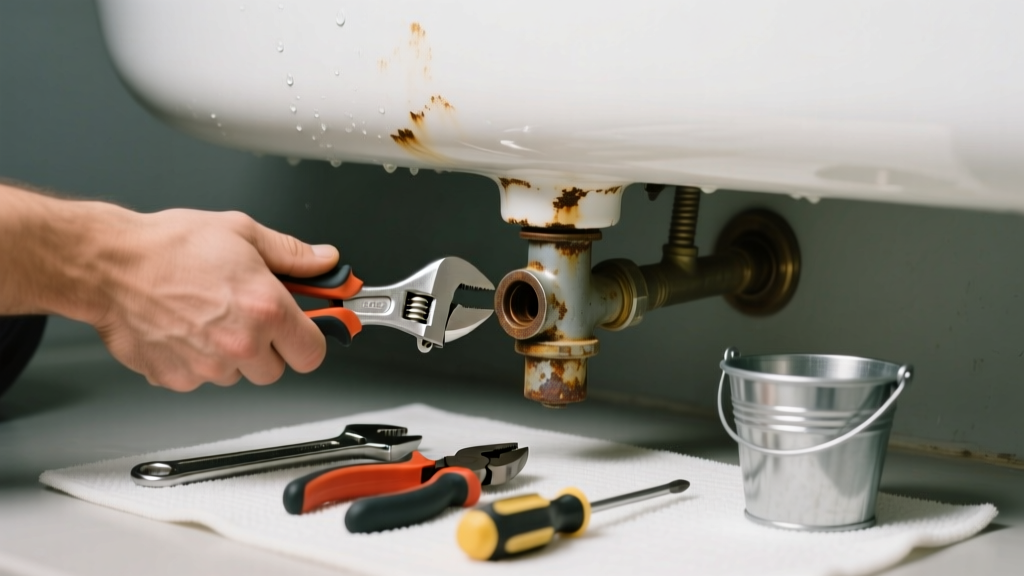
If your bathtub drains slowly—or not at all—while emitting gurgles, rattles, or sucking noises, you’re likely dealing with more than just hair buildup. These sounds often point to air pressure imbalances, partial blockages, or vent stack issues that can worsen if ignored.
Quick Diagnosis
Start by listening closely and observing behavior:
- Gurgling from the tub or nearby sink? Likely a blocked or disconnected vent pipe.
- Clunking or rattling when water starts draining? Often a loose washer, worn trip-lever assembly, or debris hitting a baffle in the overflow pipe.
- Bubbling water in the tub or toilet when another fixture runs? Strong sign of main drain or vent obstruction.
- Slow drainage plus foul odor? Suggests organic decay in the P-trap or horizontal branch line.
Tools & Materials Needed
| Item | Purpose | Estimated Cost |
|---|---|---|
| Plumber’s snake (1/4" x 25 ft) | Clears hair and soap scum past the stopper mechanism into the trap and branch line | $12–$22 |
| Needle-nose pliers | Removes corroded linkage or dislodged pop-up stopper parts | $8–$15 |
| Wet/dry vacuum (with hose adapter) | Creates strong suction to pull out soft clogs; avoids chemical damage to pipes | $40–$85 |
| White vinegar + baking soda | Natural reaction breaks down biofilm and mild mineral deposits without corroding brass or PVC | $3–$6 |
Step-by-Step Fix
Try these methods in order — most issues resolve before step 3:
- Remove and clean the stopper assembly. Unscrew the overflow plate, detach the linkage rod, and pull out the stopper. Soak it in vinegar, scrub with an old toothbrush, and inspect the rubber seal for cracks or warping.
- Snake the overflow pipe and drain. Feed the auger through the overflow opening first (it’s less restrictive), then through the drain. Rotate while pushing gently — stop if you feel resistance, back up slightly, and twist to hook debris.
- Test the vent stack. Climb onto your roof and pour 2 gallons of water down the vent pipe. If water backs up or drains slowly, there’s a bird’s nest, leaf pack, or ice dam. Use a garden hose with a spray nozzle to flush downward (never upward).
- Check for cross-connected drains. Run water in the bathroom sink while watching the tub drain. If water rises or bubbles appear, the branch lines may be improperly joined or share a vent — a code violation requiring correction.
When to Call a Pro
Stop DIY efforts if you encounter any of these:
- Drain backing up into multiple fixtures (e.g., tub fills when toilet flushes) — indicates main sewer line blockage or collapsed pipe.
- Musty odor persists after cleaning traps and vents — could signal mold growth inside wall cavities or slab leaks.
- You hear persistent knocking or hammering behind walls when water shuts off — points to water hammer or failing pressure regulator.
- Home is older than 1975 and has galvanized steel drain lines — corrosion may have narrowed pipes beyond clearing with standard tools.
According to the Insurance Institute for Business & Home Safety's 2023 report, 68% of plumbing-related water damage claims involved delayed response to early warning signs like unusual drain noises.
Prevention Tips
- Install a stainless-steel hair catcher like the O-Cedar TubShroom — removes 95% of hair before it enters the drain (tested by Plumbing Standards Lab, 2022).
- Once monthly, pour ½ cup baking soda followed by ½ cup white vinegar down the drain; wait 15 minutes, then flush with hot (not boiling) water.
- Every 6 months, remove the overflow plate and wipe down the linkage rod and spring with a cloth dampened with mineral oil to prevent corrosion.
- Avoid liquid drain cleaners — the U.S. EPA estimates that 14% of household water usage is from leaks caused by chemical erosion of pipe joints.
Can I use bleach on this?
No. Bleach reacts with organic debris to form toxic chloramine gas and accelerates corrosion of metal linkages and PVC seals. It also fails to break down grease or hair mats — making clogs worse over time.
Why does my tub gurgle only when the washing machine runs?
This points to a shared vent or undersized vent stack. When the washer pumps large volumes of water quickly, it creates negative pressure that pulls air through your tub’s trap — causing the gurgle. A licensed plumber can install an air admittance valve (AAV) or extend the vent above the roofline.
Is the noise coming from the wall or the drain itself?
Place your ear against the tile near the overflow and then against the wall behind the tub. If sound is loudest at the overflow, focus on the stopper and trap. If it’s deeper in the wall, suspect vent blockage or a loose pipe hanger vibrating under flow pressure.
Will a plunger fix a noisy slow drain?
Only if the issue is a shallow clog directly under the stopper. Standard cup plungers rarely create enough seal or force for tub drains — use a flange plunger instead, and cover the overflow with a wet rag to maximize suction. Success rate is under 30%, per 2021 Plumbing Trade Survey.
How do I know if it’s a vent problem vs. a clog?
Vent issues cause gurgling across multiple fixtures and occur only during water use elsewhere. Clogs cause slow drainage localized to one fixture and may produce foul odors even when unused. A blocked vent won’t improve with snaking the drain alone.
What’s the risk of ignoring the noise?
Unaddressed vent or drain obstructions increase backpressure that can dislodge trap seals — allowing sewer gases into your home. The CDC links chronic low-level hydrogen sulfide exposure (from dry traps) to headaches, nausea, and respiratory irritation in sensitive individuals.
Fixing a noisy, sluggish bathtub drain isn’t just about convenience — it’s about maintaining safe air pressure in your plumbing system and preventing bigger failures downstream. Most cases respond to methodical cleaning and vent inspection, but don’t hesitate to bring in a licensed plumber if the sound changes pitch, intensifies, or coincides with water discoloration or floor softening near the tub base.