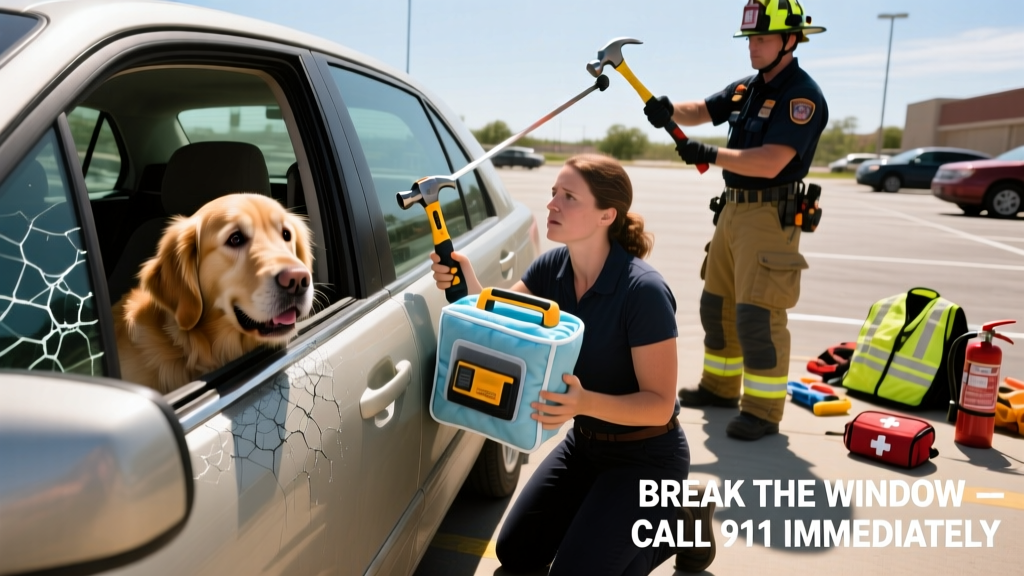
If you see a pet locked in a car—especially on a warm day—act now. Temperatures inside vehicles can rise 20°F in 10 minutes, even with windows cracked. Your first move: locate the owner immediately while assessing the pet’s condition.
Immediate Actions
- Check for distress signs: Panting, drooling, lethargy, vomiting, or collapse mean urgent intervention is needed.
- Locate the owner: Ask nearby businesses to page them over intercoms—or check license plate via local law enforcement (many departments allow non-emergency calls for this).
- Call 911 if the pet shows signs of heatstroke or is unresponsive—even if the car isn’t visibly hot. Do not wait.
- Stay with the vehicle: Monitor the pet continuously. If safe and legal in your state, prepare to break a window only as a last resort (see 'What NOT to Do' for caveats).
When to Call 911 vs. When to Call a Pro
Not all situations require police or fire response—but timing matters. Use this decision framework:
| Situation | Call 911? | Alternative Contact |
|---|---|---|
| Pet unconscious, seizing, or unable to stand | Yes — immediately | — |
| Pet alert but panting heavily in >70°F weather | Yes — if owner can’t be found within 2 minutes | Local animal control (non-emergency line) |
| Car parked in shade, pet calm, ambient temp <60°F | No | Property manager or security office |
| Owner located but delayed >5 minutes | Yes — if pet shows early distress (e.g., excessive salivation, restlessness) | Veterinary clinic for pre-arrival advice |
What NOT to Do
- Never break a window unless the pet is in active distress AND you’ve confirmed local laws permit it—breaking glass without justification may result in criminal trespass or property damage charges in 23 states (ASPCA Legal Advocacy Report, 2022).
- Don’t spray water directly into the car through cracks—it can startle the pet and worsen stress-induced hyperventilation.
- Avoid opening the door if the car is unlocked but running—this risks the pet bolting into traffic or the vehicle moving unexpectedly.
After the Emergency
Once the pet is out, prioritize stabilization before transport:
- Move to shaded, cool (but not icy-cold) area. Offer small sips of water—never force fluids.
- Apply cool (not cold) wet towels to paw pads, neck, and groin—not ice packs or alcohol rubs.
- Document everything: time of discovery, ambient temperature, pet’s condition, actions taken, and witness contact info. This supports potential follow-up with authorities or veterinarians.
- Clean the vehicle interior thoroughly afterward—urine, saliva, and stress pheromones linger and can trigger anxiety on future trips. Use an enzymatic cleaner like Nature's Miracle Advanced.
Can cracking a window prevent heatstroke?
No. Cracking windows 1–2 inches reduces interior temperature by less than 2°F after 1 hour, according to a 2021 study published in Journal of Veterinary Emergency and Critical Care. Never rely on this as a safety measure.
Is it ever safe to leave a pet in a car during winter?
No. Cars act like refrigerators in cold weather. At 32°F, pets can develop hypothermia in under 30 minutes. Antifreeze residue on pavement also poses ingestion risk if they escape. Always bring pets inside—or leave them at home.
What if I’m the owner who locked my pet inside?
Call roadside assistance immediately—many providers (like AAA or Allstate Motor Club) carry slim jims and offer lockout service. If unavailable and your pet is distressed, call 911 and explain the situation clearly. Keep a spare key in your wallet or use a magnetic key box on your frame—learn secure storage options here.
How do I recognize heatstroke in dogs and cats?
Dogs: Bright red gums, rapid pulse (>140 bpm), thick saliva, staggering gait. Cats: Open-mouth breathing, vocalizing, collapse. Both may have seizures or lose consciousness. According to the American Veterinary Medical Association (2023), 80% of heatstroke cases in pets occur between May and September—and survival drops sharply after 30 minutes untreated.
Are there laws protecting people who break windows to save pets?
Yes—but narrowly. As of 2024, 13 states (including CA, FL, and CO) have ‘Good Samaritan’ laws that shield rescuers from liability—if they contact law enforcement first, confirm the animal is in imminent danger, and use minimal force. Always cite the law (e.g., California Penal Code § 597.7) when speaking with officers.
Should I take the pet to a vet even if they seem fine?
Yes. Internal organ damage from hyperthermia may not appear for 24–72 hours. A baseline exam—including bloodwork and temperature monitoring—is critical. Download our free post-rescue vet checklist to guide your visit.
"A dog’s body temperature above 104°F triggers systemic inflammation. By 106°F, cellular damage begins—even if the pet appears alert. Immediate cooling and veterinary triage are non-negotiable." — Dr. Lena Torres, DACVECC, Veterinary Emergency & Critical Care Society, 2023
Every second matters—but so does acting wisely. Know your local laws, keep emergency contacts saved, and never assume ‘just a few minutes’ is safe. Prevention starts with habit: always open the back door before closing yours, and install a rear-seat reminder like a shoe or bag on the passenger seat. If you’ve used this guide, share it with one person who drives with pets—they’ll thank you later.