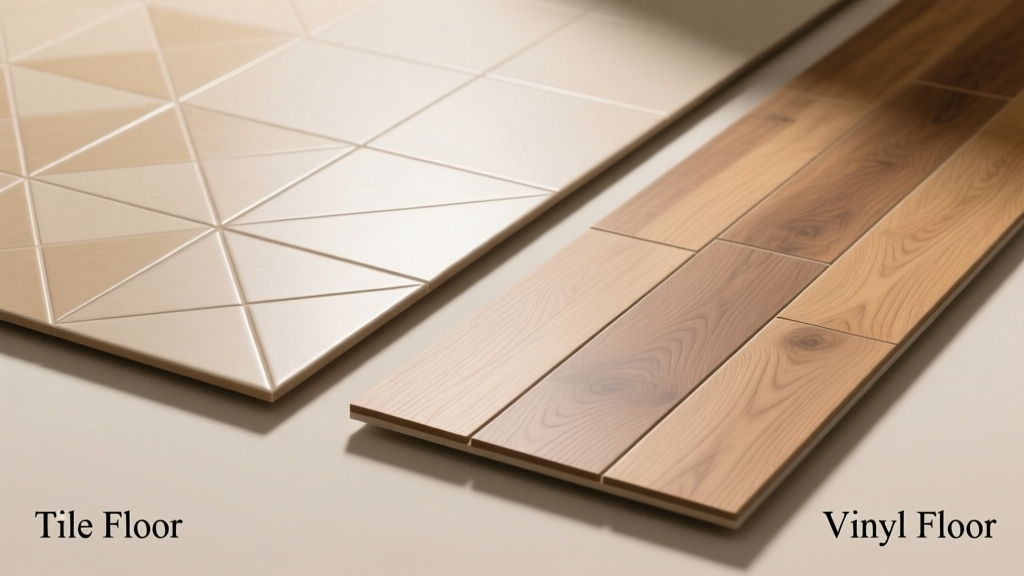
Choosing between tile and vinyl flooring feels like picking between a trusted classic and a modern multitasker—both look great on paper, but they solve different problems in real homes. You’ve probably stood in a showroom or scrolled past dozens of Instagram-worthy kitchens and bathrooms, wondering: is that gorgeous subway tile worth the grout maintenance? Or does luxury vinyl plank (LVP) quietly outperform it where it counts?
Quick Verdict
If you prioritize long-term value, heat retention, and authentic texture—and don’t mind higher upfront cost and installation complexity—tile is the stronger performer in wet areas and high-traffic zones. If you need warmth underfoot, faster installation, lower lifetime cost, and realistic wood/stone visuals without the upkeep, vinyl (especially WPC or SPC core LVP) delivers more practical wins for most homeowners. Neither is universally 'better'—but one is almost certainly better for your kitchen renovation, basement remodel, or rental unit upgrade.
Side-by-Side Comparison
| Feature | Tile Floor | Vinyl Floor |
|---|---|---|
| Upfront Cost (materials only) | $3–$15/sq ft (ceramic to natural stone) | $2–$8/sq ft (LVP/LVT; WPC/SPC premium) |
| Installation Cost & Time | $7–$15/sq ft; 3–7 days (mortar, curing, grouting) | $2–$6/sq ft; 1–3 days (floating or glue-down) |
| Water Resistance | Impervious surface, but grout lines can absorb moisture unless sealed | Fully waterproof (WPC/SPC cores); no seams to leak |
| Lifespan | 50+ years (glazed ceramic), 75+ years (porcelain) | 15–25 years (residential warranty; wear layer thickness matters) |
| Comfort & Sound | Hard, cold, echo-prone; requires underlayment or area rugs | Softer step, quieter, warmer—especially with attached pad |
| Maintenance | Regular grout cleaning & resealing every 1–3 years | Sweep/mop only; no sealing, no polishing |
Deep Dive on Tile Floor
Pros
- Unmatched longevity: Porcelain tile averages 75+ years in residential use, per the National Tile Contractors Association’s 2022 lifespan study
- Fire-, scratch-, and fade-resistant—even direct sunlight won’t degrade color
- High resale appeal: 78% of Realtors say tile in bathrooms adds measurable value (National Association of Realtors, 2023 Remodeling Impact Report)
- Wide range of authentic materials: slate, marble, terracotta, handmade zellige
Cons
- Grout is the Achilles’ heel: unsealed cementitious grout absorbs stains and mildew; epoxy grout solves this but costs 3× more
- Brittle under impact: dropping a cast-iron skillet or heavy tool can crack tile or pop it loose
- Cold underfoot year-round—requires radiant heating for comfort in bedrooms or basements
- Not DIY-friendly: improper substrate prep causes lippage, hollow spots, or cracked tiles within months
Ideal for: Primary bathrooms, mudrooms, entryways, and commercial kitchens where sanitation and durability are non-negotiable. Less ideal for second-story bedrooms or homes with mobility concerns—no give means higher fall risk.
Deep Dive on Vinyl Floor
Pros
- Waterproof core options (WPC/SPC) handle spills, pet accidents, and basement humidity without swelling
- Click-lock LVP installs over most existing floors—including low-pile carpet (with padding removed) and concrete—with minimal prep
- Sound-dampening: SPC vinyl reduces footfall noise by up to 18 dB compared to tile, per ASTM E492 testing (FloorScore Certified, 2021)
- Realistic visuals: Modern digital printing captures wood grain variation, stone veining, and even subtle texture embossing
Cons
- Plastic-based: Not biodegradable; recycling infrastructure for LVP remains limited in most U.S. municipalities
- Lower heat tolerance: Can dent under rolling office chairs or warp near radiators >120°F
- Thinner wear layers (<0.3mm) show scratches faster—look for ≥0.5mm for rentals or homes with large dogs
- Adhesives may off-gas VOCs: Choose FloorScore or GREENGUARD Gold certified products (e.g., Shaw Floorte Pro, COREtec Plus)
Ideal for: Basements, laundry rooms, rental properties, senior-friendly homes, and open-concept living spaces where quiet, warmth, and quick installation matter. Avoid direct-sun balconies or garages—UV exposure degrades vinyl over time.
When to Choose Tile vs Vinyl
Choose tile if: Your bathroom gets daily steam showers and you plan to stay 10+ years; you’re installing over a heated floor system; or your design calls for hand-cut mosaic borders or custom inlays. Choose vinyl if: You’re converting a damp basement into a guest suite; you need flooring installed over weekend; or your household includes toddlers, aging parents, or pets that track in moisture regularly.
According to the U.S. EPA estimates that 14% of household water usage is from leaks—and vinyl’s seamless, waterproof nature makes it far more forgiving during plumbing emergencies than grouted tile.
"In flood-prone or high-moisture retrofit projects, we default to WPC vinyl—not because it’s ‘cheaper,’ but because it eliminates the 3-week delay waiting for mortar to cure and gives tenants immediate occupancy." — Maria Chen, Senior Project Manager, Habitat Renovations LLC (2023)
Alternatives to Consider
Don’t lock in on just two options. Engineered hardwood offers warmth and resale appeal with better moisture tolerance than solid wood—but still less than vinyl. Polished concrete works beautifully in lofts or modern kitchens but demands professional sealing and radiant heat for comfort. And for tight budgets, sheet vinyl remains viable in utility closets or garages, though it lacks the dimensional realism of planks.
- Luxury vinyl plank vs engineered hardwood — compare warmth, resale, and subfloor compatibility
- Porcelain tile vs ceramic tile — understand density, frost resistance, and PEI ratings
- Best flooring for basement — including moisture testing and vapor barrier requirements
Can vinyl flooring be installed over tile?
Yes—if the existing tile is fully bonded, level, and free of cracks. Use a self-leveling compound over uneven grout lines first. Avoid gluing vinyl directly over glossy glazed tile; lightly sand or prime for adhesion. Never install over cracked or hollow-sounding tile—it’ll telegraph through.
Does tile increase home value more than vinyl?
In primary bathrooms and kitchens, yes—NAR data shows tile adds ~2.3% more perceived value than vinyl in buyer surveys. But in basements or half-baths, the difference shrinks to under 0.5%, and vinyl’s lower replacement cost often nets higher ROI for investors.
How often does grout need resealing?
Cement-based grout needs sealing every 1–3 years depending on traffic and cleaning products used. Epoxy or urethane grouts never require sealing but cost $12–$20/sq ft installed versus $2–$4 for standard sanded grout.
Is luxury vinyl safe for radiant heat?
Most WPC and SPC vinyl is rated for radiant heat up to 85°F surface temperature—but always check the manufacturer’s spec sheet. Avoid glue-down LVT over hydronic systems unless explicitly approved; floating LVP is safer and more common.
What’s the best way to clean tile grout?
A 1:1 mix of hydrogen peroxide and baking soda, applied with a stiff nylon brush, lifts mildew without damaging grout. Steam cleaning works well too—but never use vinegar on natural stone tile or unsealed grout; acid etches both.
Can you repair a scratched vinyl plank?
Minor scratches on LVP can be minimized with a wax-based floor filler (e.g., Roberts Vinyl Repair Kit). Deep gouges usually require plank replacement—cut out the damaged piece using a utility knife and chisel, then click in a new one. Keep spare planks from original install.
There’s no universal winner—only the right match for your space, timeline, and priorities. Tile rewards patience and investment with decades of performance. Vinyl meets today’s demands for speed, comfort, and resilience without compromise. Before ordering samples, walk barefoot on both in your actual lighting—and ask yourself: do I want something that lasts longer than I will, or something that makes life easier starting tomorrow?