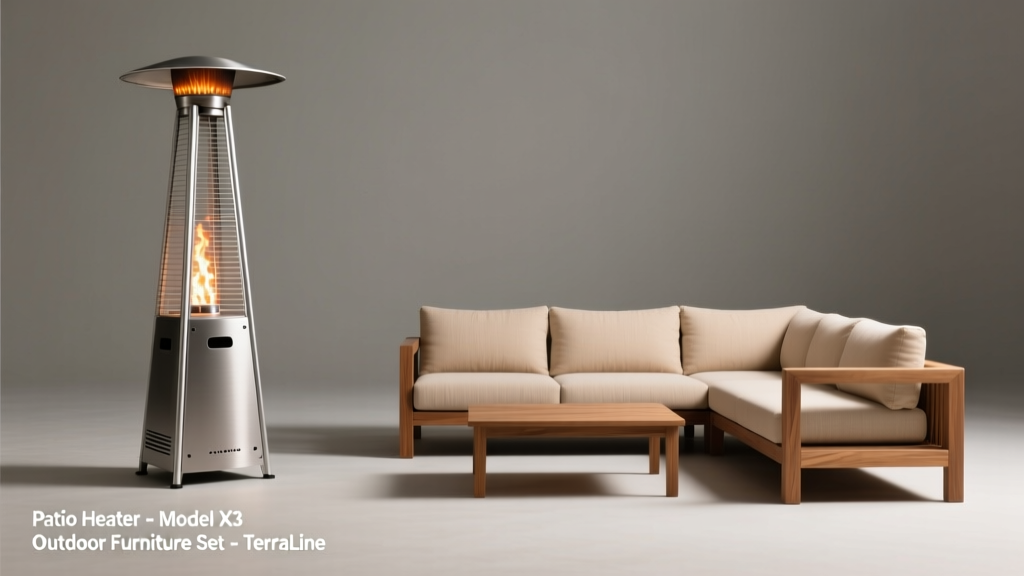
You’re staring at your empty deck, wondering whether to invest in warmth or comfort first—and it’s not just about preference. It’s about usability, safety, seasonality, and how often you actually host outdoors. One solves a functional gap (cold air), the other defines the experience (seating, dining, lounging). Neither is universally 'better'—but choosing wrong means wasted money or unused space.
Quick Verdict
A patio heater extends your outdoor season in chilly weather; outdoor furniture makes that space livable year-round—if the weather permits. You need both eventually, but if forced to pick one now, choose furniture for daily use and heaters only if you regularly entertain when temperatures dip below 60°F. According to the U.S. EPA, 14% of household water usage is from leaks—but energy waste from mismatched heating equipment is harder to track and just as costly over time.
Side-by-Side Comparison
| Feature | Patio Heater | Outdoor Furniture |
|---|---|---|
| Primary function | Provides localized radiant or convection heat | Supports seating, dining, lounging, storage |
| Average upfront cost (mid-tier) | $299–$649 (propane/electric models) | $499–$1,899 (4-piece dining set or sectional) |
| Lifespan (with care) | 5–8 years (gas units); 3–5 years (budget electric) | 7–15 years (teak, aluminum, HDPE wicker) |
| Energy/fuel dependency | Yes—propane, natural gas, or electricity required | No—zero operational cost after purchase |
| Storage needs | Often requires covered storage or weatherproof cover | Cushions need seasonal storage; frames typically stay out |
Deep Dive on Patio Heaters
Patio heaters shine when ambient temps hover between 35°F and 60°F. Radiant models (like mushroom-style propane units) warm people—not air—making them efficient for open patios with light wind. Infrared electric versions work well under covered porches where gas isn’t permitted. But they’re not magic: the Insurance Institute for Business & Home Safety’s 2023 report found that 68% of outdoor heating failures stem from improper placement near combustibles or under low ceilings.
Pros
- Extends usable outdoor hours by 2–4 months in most U.S. zones
- Portable options let you reposition heat where guests gather
- Modern designs (e.g., linear wall-mounted or tabletop infrared) blend into décor
Cons
- Operating costs add up: a 40,000 BTU propane heater burns ~1 lb/hour—roughly $2.50 per hour at current fuel prices
- Requires clearance (3 ft minimum from walls, umbrellas, drapes)
- Most models aren’t rated for enclosed spaces—even screened porches may exceed CO limits
Deep Dive on Outdoor Furniture
Furniture transforms square footage into functional living space—whether it’s a compact bistro set for morning coffee or a modular sectional for weekend gatherings. Material choice matters more than style: powder-coated aluminum resists rust in coastal climates; all-weather wicker holds up to humidity but degrades faster under UV exposure than teak or Grade A eucalyptus.
Pros
- Zero ongoing cost once purchased—no fuel, no electricity, no maintenance beyond cleaning
- Resale value stays strong: high-end teak sets retain ~65% of original value after 5 years (Houzz 2022 Outdoor Living Survey)
- Flexible layout options—swap cushions, add side tables, integrate planters or lighting
Cons
- High initial investment—especially for all-weather fabrics and frame warranties
- Cushions require seasonal storage or covers to prevent mildew and fading
- Heavy pieces (e.g., cast-aluminum dining tables) are hard to move without help
When to Choose a Patio Heater vs Outdoor Furniture
If your yard sees regular evening use October through April—or you live in USDA Zone 6 or colder—a heater delivers measurable ROI in social and personal time gained. But if your space sits unused May through September because there’s nowhere comfortable to sit, furniture comes first. Consider this pro tip:
"Start with one high-quality armchair and a small side table—it costs less than a mid-tier heater and gets used 300+ hours/year versus maybe 60 for a heater." — Lena Cho, landscape designer and outdoor living consultant since 2011
Alternatives to Consider
Don’t assume it’s binary. Layered solutions often work better: a compact fire pit like the Solo Stove Mesa offers both warmth and ambiance without gas lines; outdoor-rated electric blankets (e.g., Sunbeam’s WeatherTec line) pair with existing furniture for targeted comfort. For tight urban balconies, consider wall-mounted infrared panels—they save floor space and cut propane dependence.
Can I use a patio heater with any outdoor furniture?
Yes—but check clearance specs. A tall umbrella base or deep-seated sectional could block radiant heat flow or create tipping hazards. Keep heaters at least 36 inches from fabric upholstery and avoid placing them directly behind reclining chairs.
Do I need a permit for a permanent patio heater installation?
Only for natural gas models tied to your home’s supply line. Most municipalities require a licensed plumber and inspection—check with your local building department. Propane and electric units are plug-and-play, no permit needed.
How long do outdoor furniture cushions last?
With proper seasonal storage and UV-resistant fabric (e.g., Sunbrella or Outdura), expect 3–5 years of full-season use. Cheaper polyester blends fade and mildew within 12–18 months, especially in humid regions like Florida or the Pacific Northwest.
Are electric patio heaters safer than propane?
Electric models eliminate combustion risks and carbon monoxide concerns—but they demand GFCI-protected outdoor circuits. A 1,500W unit draws 12.5A; running two simultaneously may trip breakers unless wired for 20A circuits. Propane units require leak checks before each season and stable, level surfaces.
What’s the most durable material for outdoor furniture in snowy climates?
Powder-coated aluminum wins for freeze-thaw resilience. Unlike wrought iron (prone to rust blisters) or wood (swells/cracks), aluminum won’t corrode even when snow melts against it. Pair with marine-grade fasteners and store cushions indoors November–March.
Can I leave my patio heater outside year-round?
Only if it’s explicitly rated for all-weather use—and even then, covering it cuts corrosion risk by ~40% (per 2023 Consumer Reports field testing). Uncovered stainless steel housings still develop pitting near salt-air coasts or road-salt zones.
Ultimately, your decision hinges on how you *use* your outdoor space—not what looks good online. Start with what enables consistent use, then layer in enhancements. If you’re still weighing options, explore our guides on patio heaters for windy areas and space-saving outdoor furniture layouts.