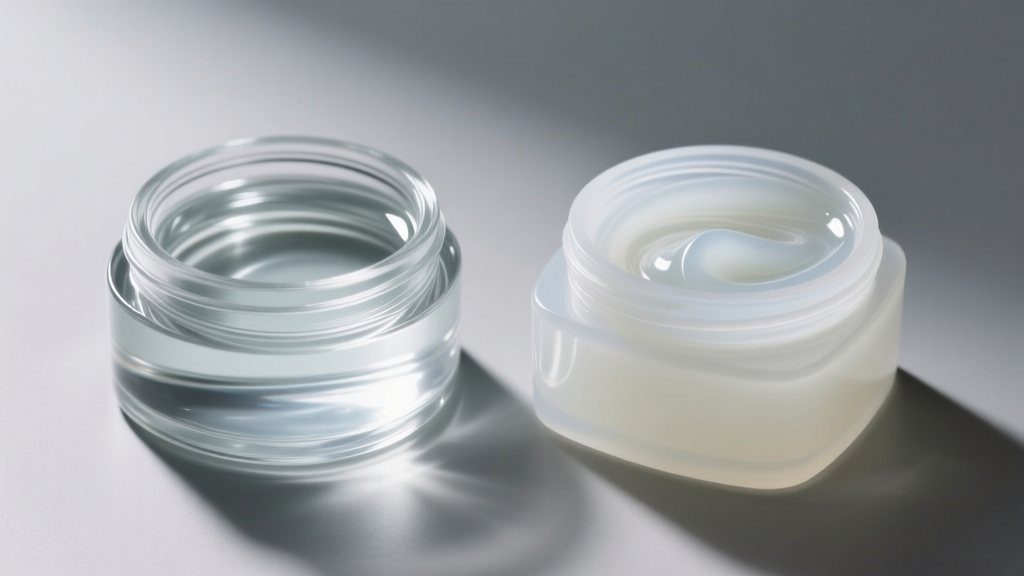
You’re standing in the hardware aisle, holding two tubes labeled 'epoxy resin' and 'silicone sealant'—both promise strength and waterproofing, but they solve entirely different problems. Choosing wrong means cracked joints, failed bonds, or premature rework.
Quick Verdict
Epoxy resin wins for rigid, high-strength structural bonding on dry, non-flexing surfaces like metal, wood, or concrete repairs. Silicone sealant is the clear choice for sealing dynamic joints—think bathroom tiles, window frames, or HVAC ducts—where movement, moisture, and UV exposure are constant. Neither is universally "better"; their strengths are mutually exclusive by design.
Side-by-Side Comparison
| Feature | Epoxy Resin | Silicone Sealant |
|---|---|---|
| Primary function | Structural adhesive & filler | Elastic sealant & gap filler |
| Cure time (full strength) | 12–72 hours (depends on formulation) | 24–72 hours (surface tack-free in 1–2 hrs) |
| Flexibility after cure | Rigid (0.5–2% elongation) | Highly elastic (300–800% elongation) |
| Water resistance | Excellent when fully cured—but degrades if submerged long-term without proper formulation | Outstanding; designed for continuous wet environments |
| UV resistance | Poor (yellowing, chalking within months outdoors) | Excellent (most acetoxy and neutral-cure types rated for 20+ years outdoors) |
| Adhesion to glass, ceramic, PVC | Fair to poor without priming | Excellent—no primer needed |
Deep Dive on Epoxy Resin
Epoxy resin systems consist of a resin and hardener mixed in precise ratios (typically 1:1 or 2:1 by volume). Once catalyzed, they undergo an exothermic reaction that forms dense, cross-linked polymer networks.
Pros
- Compressive strength up to 10,000 psi—stronger than most concrete (per ASTM D695-22 testing)
- Bonds well to metals, cured composites, and porous substrates like brick or stone
- Can be sanded, drilled, and painted after full cure
- Low shrinkage (<0.5%) minimizes stress at bond lines
Cons
- Brittle under impact or repeated flexing—cracks form at stress points
- Poor adhesion to plastics like polyethylene or Teflon without surface abrasion + primer
- Mixed batches have short working times (15–45 mins), demanding precision
- Contains bisphenol-A (BPA) in many formulations—requires ventilation and gloves (OSHA PEL: 0.1 mg/m³)
Ideal for: Repairing cracked granite countertops, anchoring bolts into concrete, rebuilding rotted door thresholds, or laminating fiberglass boat hulls. Not suitable for sealing shower corners or expansion joints.
Deep Dive on Silicone Sealant
Silicone sealants are one- or two-part polymers based on siloxane backbones. Acetoxy-cure (vinegar-smell) types dominate DIY use; neutral-cure (oxime or alkoxy) versions avoid corrosion on metals and are preferred in commercial glazing.
Pros
- Remains flexible for decades—even at -76°F to 400°F (per Dow Corning Technical Bulletin #112, 2021)
- Resists mold, mildew, and freshwater immersion indefinitely
- Sticks reliably to glass, glazed tile, aluminum, and acrylic without priming
- Non-shrinking and self-leveling in vertical joints up to ¼" wide
Cons
- Cannot be painted (unless explicitly labeled 'paintable'—and even then, adhesion is marginal)
- Poor tensile strength (~200–500 psi), so it’s not a load-bearing adhesive
- Acetoxy types release acetic acid during cure—corrosive to copper, brass, and some electronics
- Cleaning uncured silicone requires mineral spirits; cured residue demands specialized solvents
Ideal for: Sealing perimeter joints around bathtubs, bonding aquarium glass, weatherproofing exterior window frames, or gasketing HVAC ductwork. Avoid using where shear loads exceed 50 psi or where sanding/painting is required.
When to Choose Epoxy Resin vs Silicone Sealant
Choose epoxy resin when:
- You need to rebuild a broken cast-iron pipe flange and restore structural integrity
- A wooden stair tread has delaminated from its stringer—and no movement is expected
- You’re embedding threaded inserts into a 3D-printed part that will bear torque
Choose silicone sealant when:
- You’re resealing a kitchen backsplash where grout has failed and thermal expansion occurs daily
- Installing a new skylight and must accommodate roof flex and rain exposure
- Fixing a leak around a stainless-steel sink rim exposed to hot water and cleaning chemicals
"Silicone isn’t glue—it’s a movement-absorbing barrier. Epoxy isn’t caulk—it’s a replacement for metal or wood in static assemblies." — Dr. Lena Cho, Materials Engineer, ASTM C920 Task Group, 2023
Alternatives to Consider
Neither material fits every job. For hybrid needs, consider:
- Polyurethane adhesive: Stronger than silicone, more flexible than epoxy—ideal for bonding foam insulation or timber framing joints
- Butyl rubber sealant: Excellent for roofing seams and automotive glass—low VOC, high UV resistance, but messy to tool
- Acrylic latex caulk: Paintable and easy to clean, but fails in wet areas or wide gaps (>¼")
Can I paint over cured epoxy resin?
Yes—after full cure (minimum 72 hours), lightly sand with 220-grit and apply primer. Most oil- or water-based paints adhere well. Do not paint silicone unless it’s a specialty paintable grade, and even then, expect limited durability.
Does epoxy resin hold up underwater?
Standard epoxies degrade in continuous submersion due to hydrolysis. Marine-grade epoxies (e.g., West System G/Flex) contain flexible resins and pass ASTM D570 water absorption tests (<0.5% weight gain after 7 days), making them suitable for below-waterline boat repairs.
Why does my silicone sealant smell like vinegar?
That’s acetic acid released during cure—a hallmark of acetoxy-cure silicones. It’s harmless in ventilated spaces but can corrode copper wires or chrome fixtures. For sensitive applications, choose neutral-cure silicone (e.g., GE Silicone II Advanced).
Can I use epoxy resin to seal a leaking pipe joint?
No—epoxy may temporarily plug a pinhole, but it cannot accommodate pipe vibration or thermal expansion. A leaking threaded joint needs Teflon tape or pipe dope; a cracked PVC fitting requires solvent welding or a proper mechanical coupling. See our guide to fixing leaking PVC pipe for verified methods.
How long does silicone last before needing replacement?
In interior, low-movement applications (e.g., bathtub perimeter), quality silicone lasts 10–15 years. In exterior, high-UV locations (e.g., stucco-to-window joints), expect 7–12 years before cracking or pulling away. The U.S. EPA estimates that 14% of household water usage is from leaks—including those caused by degraded sealants (WaterSense Report, 2022).
Is food-safe epoxy the same as food-safe silicone?
No. FDA-compliant epoxy (e.g., ArtResin Food Safe Certified) is safe for incidental contact once fully cured (7 days). Food-grade silicone (e.g., Smooth-On SIL-POX) meets FDA 21 CFR 177.2600 for repeated contact—required for molds, baking mats, or potable water seals.
If your project involves bonding, rebuilding, or restoring rigidity, epoxy resin earns its place. If it’s about sealing, accommodating motion, or resisting constant moisture, silicone sealant is unmatched. Match the chemistry to the physics of the problem—not the label on the tube.