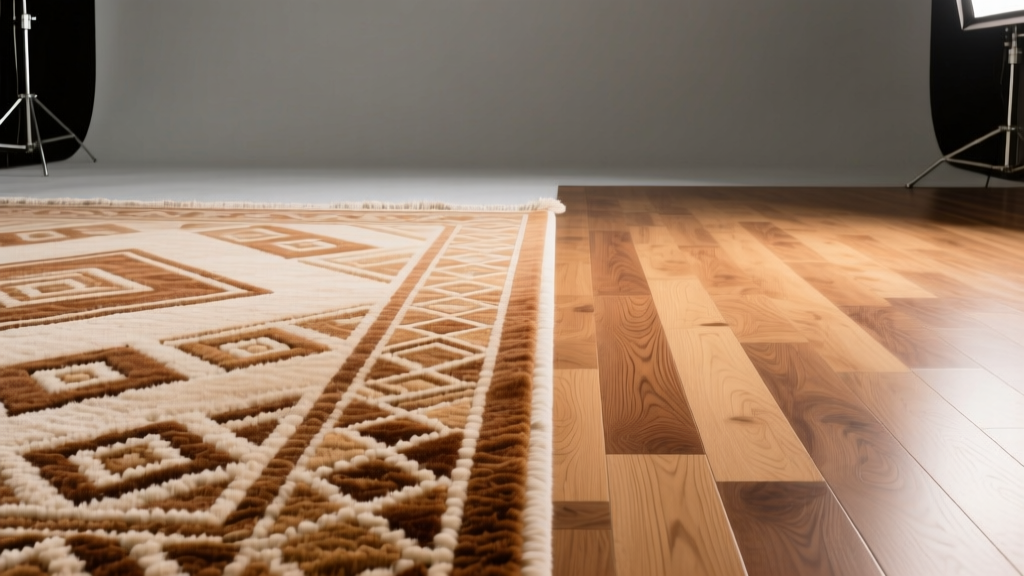
Facing a flooring decision between plush carpet and warm hardwood? You’re not alone — nearly 68% of U.S. homeowners remodel floors at least once every 12–15 years, and this choice affects daily comfort, long-term value, and even indoor air quality (National Association of Home Builders, 2023). Let’s cut through the marketing hype and compare them head-to-head.
Quick Verdict
Hardwood wins for resale value, longevity, and ease of cleaning — especially in high-traffic or moisture-prone areas like living rooms and hallways. Carpet excels in sound absorption, foot comfort, and cold-floor mitigation, making it ideal for bedrooms and basements. Neither is universally 'better'; the right pick depends on your household’s health needs, activity level, and renovation timeline.
Side-by-Side Comparison
| Feature | Carpet | Hardwood |
|---|---|---|
| Average installed cost (per sq ft) | $3.50–$8.50 | $9–$14 (solid); $7–$12 (engineered) |
| Lifespan | 7–15 years (with heavy use) | 25–100+ years (refinishable 5–10x) |
| Allergen retention | Traps dust mites, pet dander, mold spores | Non-porous surface; easier to sanitize |
| Noise reduction | Excellent (STC 50–65) | Poor alone (STC 35–45); improves with underlayment |
| Water/moisture resistance | Poor — backing can mildew; irreversible staining | Moderate (solid) to good (engineered); avoid prolonged exposure |
Deep Dive on Carpet
Pros
- Soft underfoot — reduces joint strain, especially beneficial for seniors or those with arthritis
- Insulates against cold subfloors (R-value ~1.5–2.5, depending on pad)
- Quiets footfall and airborne noise — critical in condos or multi-story homes
- Wider range of colors, textures, and patterns than most hardwoods
Cons
- Requires professional deep cleaning every 12–18 months to prevent allergen buildup
- Vulnerable to stains from wine, pet accidents, or ink — some fibers (e.g., nylon) resist better than olefin
- Not recommended for bathrooms, laundry rooms, or below-grade basements without moisture barriers
Carpet shines in primary bedrooms, home offices, and staircases — spaces where warmth and quiet matter more than spill resilience. Choose solution-dyed nylon or PET polyester for families with kids or pets; avoid loop pile in high-traffic zones if shedding is a concern.
Deep Dive on Hardwood
Pros
- Adds 2–3% average value to home resale (Remodeling Magazine’s Cost vs. Value Report, 2024)
- Refinishing removes scratches and updates color — solid oak can be sanded 5–7 times over decades
- Compatible with radiant floor heating (engineered preferred over solid)
- Low-VOC finishes available — look for CARB Phase 2 or FloorScore certified products
Cons
- Can dent from high heels or furniture legs; wider planks (>5") more prone to seasonal gapping
- Requires humidity control (35–55% RH) to prevent cupping or cracking
- Initial installation labor is higher — subfloor must be flat within 3/16" over 10 feet
Hardwood performs best in living rooms, dining areas, and entryways — places that benefit from visual continuity and easy maintenance. Opt for hickory or maple for heavy foot traffic; white oak offers balanced durability and grain character. Avoid red oak in kitchens unless sealed with polyurethane + aluminum oxide topcoat.
When to Choose Carpet vs Hardwood
Choose carpet if:
- You live in a cold climate (e.g., Minnesota or Maine) and want floor warmth without radiant heat
- Your home has hard-surface floors upstairs and you need sound dampening for downstairs neighbors
- You have toddlers learning to walk or elderly residents needing fall protection
Choose hardwood if:
- You plan to sell within 5–7 years — buyers consistently rate hardwood as a top-3 upgrade priority
- You own pets with claws or frequently track in dirt/snow (hardwood wipes clean; carpet traps grit)
- Your HVAC system runs dry air year-round — hardwood handles low humidity better than carpet backing adhesives
Alternatives to Consider
Don’t overlook mid-ground options:
- Luxury vinyl plank (LVP): Waterproof, pet-friendly, mimics wood grain, costs $3–$7/sq ft installed
- Engineered hardwood: More stable than solid wood in basements or over concrete slabs
- Cork flooring: Renewable, naturally antimicrobial, softer than hardwood but firmer than carpet
Does carpet worsen asthma or allergies?
Yes — if not maintained. The American College of Allergy, Asthma & Immunology notes carpet can harbor up to 100x more allergens than bare floors. But regular vacuuming with a HEPA filter (2–3x/week) and steam cleaning every 6–12 months cuts exposure significantly. For allergy-prone households, low-pile cut carpets (under ½") with anti-microbial backing are safer than shag or frieze styles.
How often does hardwood need refinishing?
Every 7–10 years in moderate-traffic homes, but high-use zones (hallways, kitchens) may show wear in 5 years. A full refinish costs $2–$4/sq ft and takes 3–5 days to cure. Light scuffs can often be touched up with hardwood floor repair kits instead of full sanding.
Can you install hardwood over concrete?
Yes — but only engineered hardwood, floated or glued down with moisture-rated adhesive. Solid hardwood requires a plywood subfloor and is unsuitable for slab-on-grade or basement installations. Always test concrete moisture first: calcium chloride tests must show ≤3 lbs/1,000 sq ft/24 hrs (per ASTM F1869).
Is carpet padding worth upgrading?
Absolutely. Standard rebond padding (6–8 lbs/cu ft density) compresses quickly. For longevity and support, choose 8–10 lb density foam or rubber-based pads — they extend carpet life by 30–50% and improve insulation (U.S. Department of Energy, 2022). Avoid cheap waffle pads in high-traffic areas; they flatten within 18 months.
Do hardwood floors increase home insurance premiums?
No — but they may lower risk-related claims. According to the Insurance Institute for Business & Home Safety's 2023 report, homes with non-combustible or low-flammability flooring (like hardwood or tile) saw 12% fewer fire-related water damage claims from firefighting efforts versus carpeted homes. Insurers don’t adjust premiums directly, but claim history affects renewals.
"Carpet isn’t inherently unhealthy — it’s about maintenance discipline. One deep clean per year isn’t enough for a two-pet household. Think of it like dental hygiene: brushing daily matters more than the toothbrush brand." — Dr. Lena Cho, Indoor Air Quality Specialist, Harvard T.H. Chan School of Public Health, 2023
There’s no universal winner — just smarter matches. If your mornings involve bare feet on chilly floors and your evenings include movie nights with popcorn crumbs, carpet might feel like home. If you host holiday dinners, chase toddlers in socks, or plan to age in place, hardwood offers quieter long-term returns. Revisit your priorities: durability over softness, silence over shine, or resale over sensation. Either way, measure twice, sample in natural light, and talk to a local installer who’s seen your subfloor and climate firsthand.