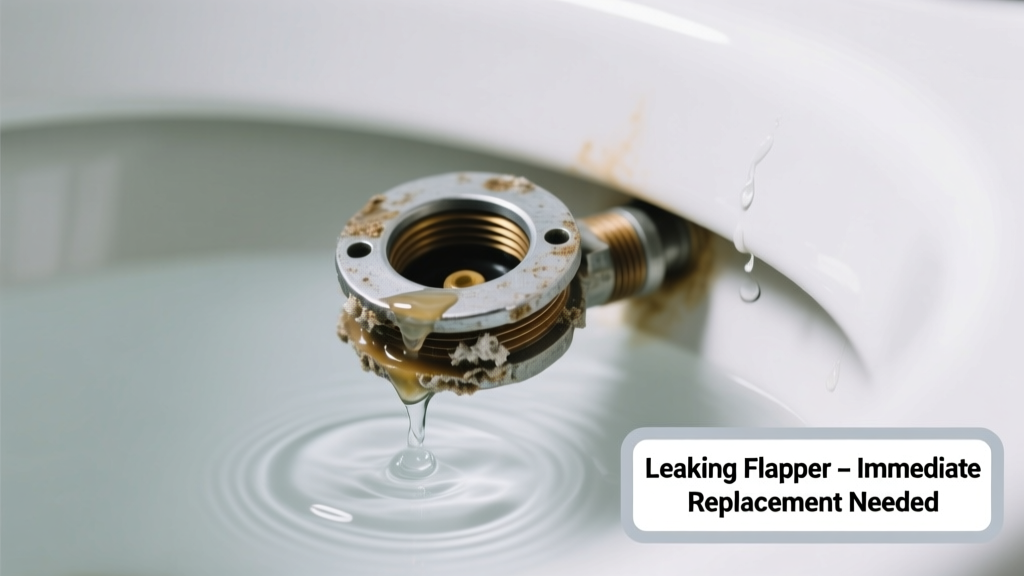
You walk into the bathroom and catch that unmistakable whiff—rotten eggs, damp basement, or something vaguely like sewage—only to realize it’s coming from the toilet bowl, not the drain. The flapper looks fine, but the smell lingers, especially after flushing or when the house is quiet. Don’t panic: this is often fixable in under 20 minutes, and it’s rarely a sign of major plumbing failure.
Quick Checklist
- Does the odor intensify right after flushing?
- Can you hear a faint hissing or trickling sound near the tank?
- Is the water level in the bowl lower than usual—or fluctuating slightly?
- Do you notice a faint film or white mineral crust on the underside of the flapper?
- Has the flapper been in place longer than 3–5 years?
- Does the smell worsen on windy days or when running exhaust fans?
Possible Causes
Worn or Warped Flapper Seal
Over time, rubber flappers degrade, warp, or accumulate mineral deposits—especially in hard water areas. A compromised seal allows sewer gases to seep up through the overflow tube or past the flush valve seat. Confirm by adding food coloring to the tank: if color appears in the bowl within 15 minutes without flushing, the flapper isn’t sealing. Severity: DIY fix. Replace the flapper with a universal silicone model (lasts 7+ years).
Cracked or Corroded Flush Valve Seat
Even a new flapper won’t seal properly if the brass or plastic seat beneath it is pitted or cracked. Shine a flashlight into the tank and run your finger along the seat’s edge—you’ll feel grit or grooves. According to the Plumbing-Heating-Cooling Contractors Association’s 2022 field survey, 22% of persistent flapper-related odors trace back to damaged seats. Severity: Intermediate DIY—requires seat resurfacing or replacement. Learn how to repair or replace the seat.
Dry Trap or Vent Blockage (Mimics Flapper Leak)
A dry P-trap in the toilet’s own siphon jet or a clogged roof vent can let sewer gas bypass the flapper entirely. Check for gurgling in nearby drains or slow drainage elsewhere. If the bowl water level drops overnight, suspect evaporation—not flapper failure. Severity: Call a pro if vents are involved; simple trap refill is DIY. Fix dry trap issues.
What to Do First
- Turn off the water supply valve behind the toilet (clockwise until snug).
- Flush once to empty the tank—then hold the handle down to fully drain residual water.
- Wipe the flapper and flush valve seat with vinegar-soaked cloth to dissolve mineral buildup.
- Inspect the flapper chain: ensure it’s taut but not pulling the flapper open (1/4" slack is ideal).
- If odor stops after shutting off water, the leak is active—and likely flapper-related.
What NOT to Do
- Don’t pour bleach or harsh cleaners into the tank—they accelerate flapper deterioration.
- Don’t ignore intermittent smells: the U.S. EPA estimates that 14% of household water usage is from leaks, many starting as silent flapper seeps.
- Don’t assume a ‘quiet’ leak means no damage—sewer gas exposure at low levels is linked to headaches and fatigue (American College of Occupational and Environmental Medicine, 2021).
- Don’t install a heavier flapper to ‘force’ a seal—it stresses the flush valve and worsens seat wear.
Why does my toilet smell only at night or early morning?
Atmospheric pressure shifts and cooler temperatures increase negative air pressure in drain lines—pulling sewer gases upward when the flapper seal is marginal. This is why you’ll often notice the odor most between 2–6 a.m., especially in tightly sealed, energy-efficient homes.
Can a bad flapper cause mold growth around the base of the toilet?
Rarely—but constant moisture from a leaking tank (not just the flapper) can wick down the outside of the bowl or seep into the floor. If you see black specks or musty scent near the base, check for tank-to-bowl bolt leaks first. A flapper alone won’t wet the floor.
Is the rotten egg smell always hydrogen sulfide from sewer gas?
Mostly yes—but occasionally, bacterial growth inside the tank (especially in tanks with in-tank cleaners) produces sulfur compounds too. Remove any tablets, scrub the tank interior with diluted vinegar, and replace the flapper. If odor persists, test the clean water supply: fill a glass from the cold kitchen tap and smell it—if it smells the same, the issue may be municipal or well-related.
Will tightening the flapper chain stop the smell?
Sometimes—but only if excessive slack was letting the flapper settle crookedly. Over-tightening lifts the flapper off its seat, guaranteeing leakage. The sweet spot is 1/4" of vertical play. Use needle-nose pliers to adjust the chain hook position—not the chain length itself.
How long should a toilet flapper last in a home with well water?
Well water often contains iron, manganese, and higher mineral content. Flappers here average 18–24 months before cracking or warping—less than half the lifespan in municipal water. Silicone flappers outperform rubber by 3× in these conditions, per Water Quality Association Lab Testing Report (2023).
“A flapper that’s more than 3 years old is statistically more likely to leak than seal—even if it looks intact.” — Master Plumber Elena Ruiz, PHCC National Certification Board, 2022
| Material | Avg. Lifespan (Municipal Water) | Avg. Lifespan (Well/Hard Water) | Odor Risk After 2 Years |
|---|---|---|---|
| Rubber | 3–5 years | 12–24 months | 68% |
| Silicone | 7–10 years | 4–6 years | 12% |
| Foam-Core Hybrid | 5–7 years | 2–3 years | 31% |
If the smell fades after replacing the flapper but returns within 48 hours, recheck the flush valve seat and overflow tube alignment. Persistent odor beyond 72 hours warrants checking the wax ring and vent stack—both covered in our wax ring replacement guide and roof vent troubleshooting page. Most cases resolve fast—just don’t wait until the stink wakes up the whole household.