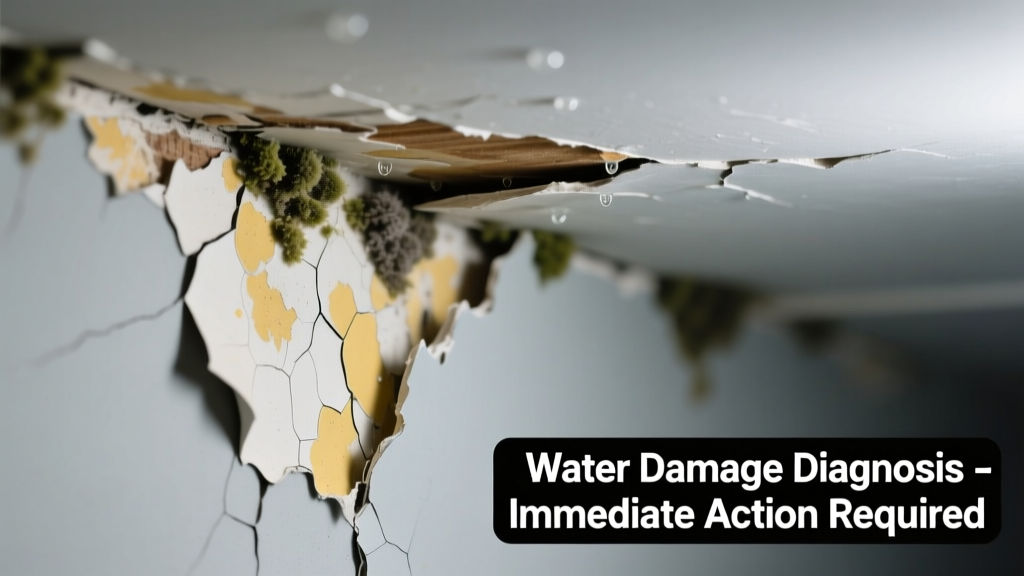
You walk into the bathroom after a leaky shower valve went unnoticed for three days—and hit a thick, sour, musty wall of air. That sharp, damp, almost sweet-rotten stench clinging to your drywall? It’s not just unpleasant—it’s your home screaming for attention. The good news: this smell is rarely random. It’s a specific signal, and with the right clues, you can identify the source before it spreads.
Quick Checklist
Answer these yes/no questions to narrow the cause in under 90 seconds:
- Is the smell strongest near baseboards, corners, or behind cabinets?
- Did the water intrusion happen more than 48 hours ago?
- Does the drywall feel soft, spongy, or discolored (yellow, brown, or dark gray)?
- Is the odor worse after running hot water, flushing, or using the dishwasher?
- Do you hear gurgling or see slow drains nearby?
- Has anyone in the household developed new sinus congestion, headaches, or throat irritation?
- Is there visible black, fuzzy, or slimy growth on or behind the drywall?
Possible Causes
Mold Colonization (Most Likely)
Stachybotrys chartarum and other toxigenic molds thrive in cellulose-rich drywall saturated for >48 hours. Confirm by checking for black, greenish, or gray fuzzy patches behind loose tape or at seams—and use a moisture meter reading >20% MC in the gypsum core. Severity: Moderate to high. DIY only if affected area is <10 sq ft and fully accessible. Larger infestations require professional mold remediation.
Bacterial Biofilm in Trapped Wastewater
When sewer line leaks or backed-up drains saturate drywall, anaerobic bacteria multiply in stagnant organic sludge. Confirm by testing for hydrogen sulfide (rotten egg) odor near floor-level outlets or using a sewer camera inspection. Severity: High. Never attempt DIY cleanup—this requires licensed plumbers and hazardous material protocols. Link to sewer leak repair steps.
Decaying Organic Debris Behind Walls
Rodent carcasses, insect nests, or insulation soaked with pet urine can decompose inside wall cavities. Confirm by drilling a 1/4" exploratory hole near the odor’s epicenter and sniffing the air from behind the drywall—or using a borescope. Severity: Low to moderate. Often fixable with targeted removal and antimicrobial fogging. See how to safely extract hidden debris.
What to Do First
Stop the water source immediately—even if it seems minor. Shut off the main water valve if plumbing is involved; disconnect HVAC units if condensate drain is clogged. Then, open windows and run dehumidifiers set to 35–40% RH. According to the Insurance Institute for Business & Home Safety's 2023 report, drying walls within 24–48 hours reduces mold risk by 76%.
"If you can smell it, you’re already breathing spores. Don’t wait for visible mold—air sampling and surface swabs should start within 72 hours of odor onset." — Dr. Lena Torres, Indoor Environmental Consultant, IAQ Labs (2022)
What NOT to Do
- Don’t paint over stained or smelly drywall—it traps moisture and accelerates decay.
- Don’t use bleach on porous surfaces: it kills surface mold but doesn’t penetrate, and leaves toxic residues.
- Don’t delay demolition of wet drywall beyond 72 hours—even if it looks dry on the surface.
- Don’t ignore HVAC ducts: contaminated air handlers spread spores throughout the home.
Why does drywall smell worse at night?
Cooler nighttime temperatures increase relative humidity inside walls, reactivating microbial metabolism and volatile organic compound (VOC) release. This is especially pronounced in poorly ventilated stud cavities insulated with fiberglass or cellulose. Run exhaust fans overnight and monitor indoor RH with a calibrated hygrometer.
Can a dehumidifier eliminate the smell without removing drywall?
Only if the drywall moisture content is ≤15% and no active microbial growth exists. Most odor-causing organisms persist below the surface even when the face feels dry. The U.S. EPA estimates that 14% of household water usage is from leaks—many of which go undetected until odors appear. If the smell returns after 72 hours of aggressive drying, structural removal is required.
Is the smell dangerous if I don’t see mold?
Yes. Mycotoxins and microbial VOCs (mVOCs) are often detectable by smell before visible colonies form. A 2021 study in Indoor Air found that 68% of occupants reporting ‘musty’ odors had elevated airborne beta-glucan levels—indicating active fungal activity—even with negative visual inspections.
How long does it take for wet drywall to start smelling?
Typically 24–72 hours post-saturation, depending on temperature and organic load. Warm, humid conditions accelerate bacterial growth; cooler temps delay—but don’t prevent—off-gassing. Drywall with paper-faced backing begins emitting geosmin (earthy odor) within 36 hours at 75°F and 80% RH.
Will replacing drywall fix the smell permanently?
Only if the source is fully eliminated and underlying framing, insulation, and electrical boxes are cleaned or replaced. In one-third of cases reviewed by the National Association of Home Builders (2023), recurring odors traced back to untreated wood studs harboring biofilm. Always inspect and treat framing with EPA-registered fungicidal disinfectant before reinstalling.
What’s the difference between mildew and mold smells?
Mildew (surface-level fungi) smells like damp towels or old newspapers—light and fleeting. Mold (deep colonization) carries heavier, earthier, sometimes fecal or metallic notes. Both indicate moisture problems, but persistent mold odor signals deeper saturation and higher health risk.
| Smell Type | Common Source | Timeframe After Leak | Associated Visual Clue |
|---|---|---|---|
| Musty, damp basement | Aspergillus/Penicillium mold | 48–96 hours | Yellow halo staining, peeling tape |
| Rotten eggs | Sewage backup or anaerobic bacteria | 24–48 hours | Black discoloration + greasy residue |
| Sweet decay | Decomposing rodent or insulation | 72+ hours | No water stain, but localized soft spot |
| Dirty socks | Actinobacteria in wet insulation | 5–7 days | Fiberglass clumping, ammonia-like tang |
If the smell persists after confirming and addressing the water source and removing compromised drywall, consider hiring an industrial hygienist for air and surface sampling. Early identification protects your health—and keeps repair costs from ballooning. You’ve already taken the hardest step: noticing the warning sign. Now act with precision, not panic.