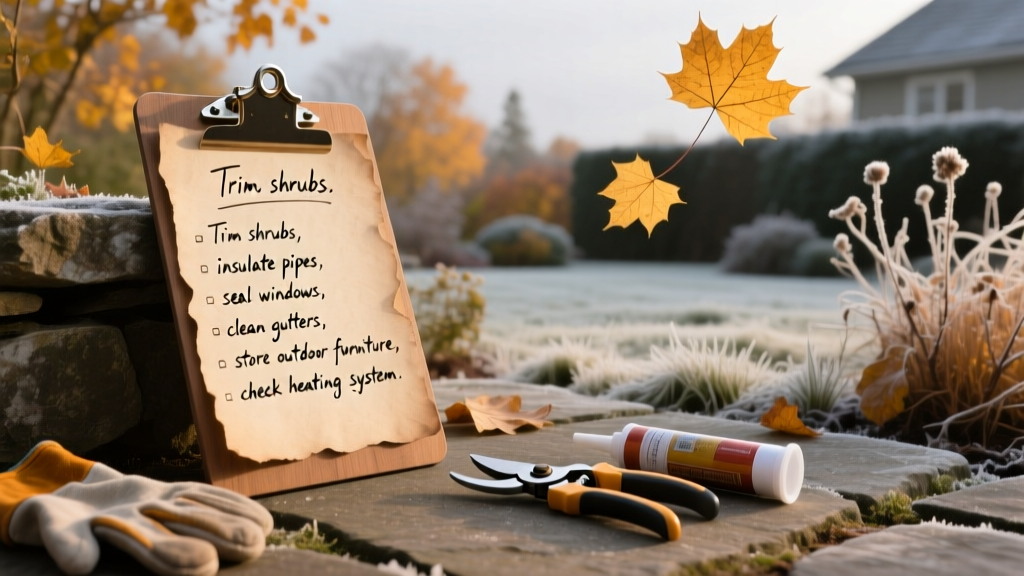
September is the quiet pivot point—cool nights arrive, daylight shortens, and plants begin shifting energy underground. It’s the last reliable window to fortify perennials, drain irrigation, and amend soil before frost locks things down. According to the USDA Plant Hardiness Zone Map (2023), average first-frost dates in Zones 5–7 fall between October 1 and November 15—meaning most critical prep must wrap by mid-October at the latest.
Priority Tasks
| Task | Time Required | Difficulty | Tools Needed |
|---|---|---|---|
| Cut back perennials (non-evergreen) | 1.5–2 hours | Easy | Pruning shears, gloves, compost bin |
| Drain & coil outdoor hoses & irrigation | 45 minutes | Easy | Wrench, bucket, hose reel |
| Apply mulch (3–4" depth) | 2–3 hours | Moderate | Wheelbarrow, rake, mulch (shredded bark or straw) |
| Test & amend soil pH | 1 hour + 3-day wait | Moderate | Soil test kit, lime or sulfur, trowel |
| Store tender bulbs (dahlias, gladiolus) | 2 hours | Moderate | Brush, mesh bags, peat moss, cool dry storage |
Detailed Task Breakdown
Cut back perennials and clear debris
Wait until after the first light frost—this signals dormancy. Use sharp, clean pruners to cut stems of hostas, daylilies, and ornamental grasses to 2–3 inches above ground. Remove fallen leaves *only* if diseased (e.g., black spot on roses); otherwise, leave healthy leaf litter for insulation and habitat. Bag diseased material—don’t compost it. Fall garden cleanup tips explain why timing matters more than speed.
Drain and store irrigation systems
Turn off the main water valve to outdoor spigots. Open all hose-end valves and automatic timers to release pressure. Blow out drip lines with an air compressor (≤50 PSI) or manually drain emitters. Coil hoses loosely—not tightly—to prevent kinking. Store coiled hoses off concrete (use a wall-mounted reel or plastic rack) to avoid UV degradation and cracking. The U.S. EPA estimates that improperly drained systems cause 68% of freeze-related pipe bursts in residential landscapes (WaterSense Report, 2022).
Mulch beds properly—not too much, not too little
Apply 3–4 inches of shredded hardwood, pine straw, or composted leaf mold—but keep mulch 3 inches away from plant crowns and tree trunks. Too close invites rot and voles; too thin offers no insulation. For roses, mound extra mulch (6") around graft unions. Replenish mulch in late November if snow cover is sparse. Mulching best practices show how depth affects root-zone temperature stability.
Common Seasonal Problems
- Fungal flare-ups: Cool, damp weather favors powdery mildew and botrytis—especially on crowded asters, phlox, and zinnias. Thin plants now to improve airflow.
- Vole runways: Look for 2-inch surface tunnels in mulch or grass near shrub bases. Set apple-baited snap traps *before* snow covers the ground.
- Early rodent nesting: Mice seek shelter in hollow-stemmed perennials (e.g., bee balm, Joe-Pye weed). Cut those stems to 6 inches now—not later.
- Unsettled soil: Heavy September rains can wash away topsoil on slopes. Anchor bare patches with erosion-control fabric or quick-cover rye grass seed.
Tools & Supplies
Don’t improvise: having the right gear prevents rushed, incomplete work. Stock up *before* the first frost warning.
- Pruning shears (bypass type, not anvil) + rubbing alcohol for sanitizing between cuts
- Soil pH test kit (we recommend the Rapitest® Digital Model, accurate within ±0.1 pH unit)
- Organic mulch—avoid dyed wood chips near edibles; they can leach heavy metals (Cornell Cooperative Extension, 2021)
- Mesh storage bags (not plastic) for bulbs—ventilation prevents mold
- Insulated garden kneeler pad—knees stay warmer during extended mulching sessions
When should I stop fertilizing?
Stop nitrogen-based fertilizers by September 1. Late applications spur tender new growth that won’t harden before frost. Switch to low-nitrogen, high-potassium formulas (like 0-10-10) only for woody plants needing root resilience—apply by September 15.
Do I need to cover my rose bushes yet?
No—wait until soil temperatures drop below 40°F for three consecutive days (usually late October/early November in most zones). Premature covering traps moisture and encourages crown rot. Instead, mound soil or compost 8–10 inches around hybrid tea and grafted shrub roses now as temporary protection.
Can I still plant trees and shrubs in September?
Absolutely—and it’s ideal. Root growth peaks when air cools but soil stays warm (55–65°F). Plant bare-root or balled-and-burlapped specimens by September 30 to allow 6+ weeks of establishment before ground freezes. Water deeply once weekly unless rainfall exceeds 1 inch.
What about my container gardens?
Empty annual pots, scrub with 10% vinegar solution, and store upside-down. Overwinter marginally hardy perennials (lavender, sedum) in containers by sinking pots into garden soil up to their rims, then mulching over the top. This mimics natural insulation and prevents freeze-thaw heaving.
Is it too late to divide perennials?
For most clump-forming perennials (hostas, daylilies, astilbe), yes—division after September 15 risks insufficient root recovery before dormancy. Exceptions: ornamental grasses and sedges can be split through early October if soil remains workable and forecast shows 3+ frost-free weeks ahead.
How do I protect newly seeded lawn areas?
Overseed cool-season lawns (Kentucky bluegrass, fescue) by September 10 in northern zones (Zones 3–5) or September 25 in Zones 6–7. Cover seed with ¼" straw mulch—not hay—to deter birds and retain moisture. Water twice daily for 10–14 days, then taper to deep, infrequent soakings. Fall lawn care checklist walks through germination timing and mowing adjustments.
"Gardens don’t go dormant—they prepare. What you do in September determines whether your soil holds nutrients, your roots survive freeze-thaw cycles, and your pollinators find shelter all winter." — Dr. Linda Chalker-Scott, Washington State University Extension Horticulturist, 2022
September isn’t about finishing the garden—it’s about honoring its rhythm. A few focused hours now mean less scrambling in December, fewer replants next May, and healthier soil for years. Tackle one task per weekend, keep notes on what worked (and what didn’t), and let the garden rest knowing you’ve given it what it needs—not just what’s convenient.