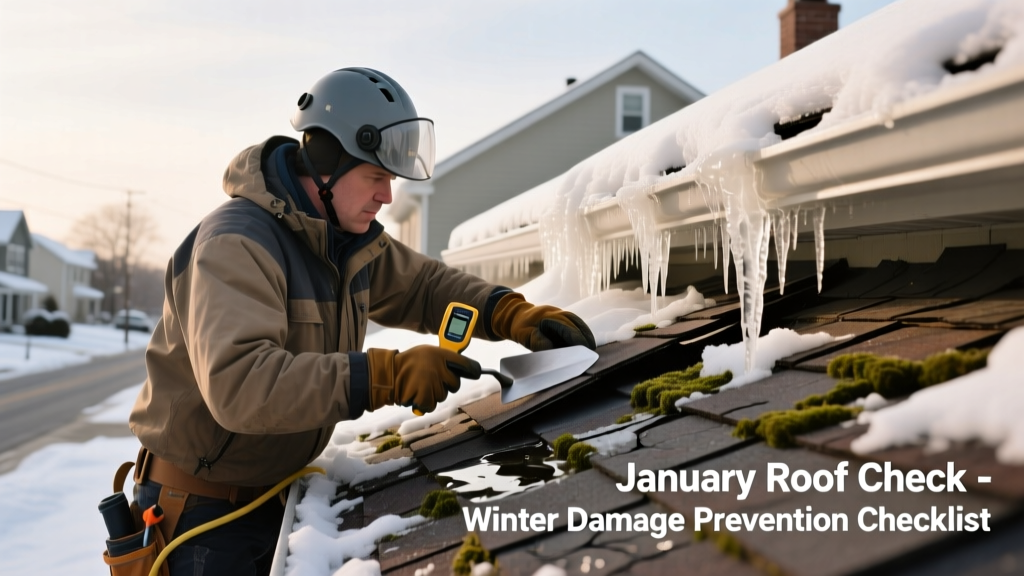
January is the quietest — and most revealing — time to inspect your roof. With snow cover acting like a diagnostic blanket, melt patterns expose hidden heat loss and drainage issues, while frozen temperatures make structural flaws easier to spot before spring thaws turn small problems into active leaks. According to the Insurance Institute for Business & Home Safety's 2023 report, 68% of winter-related roof claims stem from undetected damage identified too late — often after January’s first deep freeze.
Priority Tasks
| Task | Time Required | Difficulty | Tools Needed |
|---|---|---|---|
| Inspect for ice dams and icicles | 15–20 min | Easy | Binoculars, smartphone camera |
| Check attic ventilation and insulation gaps | 25–35 min | Moderate | Flashlight, tape measure, thermal leak detector (optional) |
| Examine shingle condition (from ground or ladder) | 20–30 min | Moderate | Ladder (≥20 ft), gloves, notepad |
| Verify flashing integrity at chimneys and valleys | 15–20 min | Moderate-to-Hard | Ladder, utility knife, close-up camera lens |
| Clear gutters and downspouts of debris/ice | 30–45 min | Hard | Gutter scoop, roof rake, calcium chloride ice melt |
Detailed Task Breakdown
Inspect for ice dams and icicles
Look for thick, continuous ridges of ice along the eaves — especially where gutters meet the roofline. Icicles larger than 2 inches in diameter signal trapped meltwater backing up under shingles. Use binoculars to scan from the street; photograph any irregular melt lines (e.g., bare patches mid-roof with snow elsewhere). If you see three or more 3-inch+ icicles within 10 feet, your attic likely has insufficient insulation or ventilation.
Check attic ventilation and insulation gaps
Enter your attic on a cold, clear day. Shine a flashlight along the underside of the roof deck — look for frost buildup or dark staining near soffits or ridge vents. Measure insulation depth: R-38 (about 12–14 inches of fiberglass) is minimum for northern climates (U.S. DOE 2022 Residential Energy Code). Seal any visible gaps around recessed lights, plumbing stacks, or attic hatches with expanding foam or metal flashing — never use caulk alone.
Common Seasonal Problems
- Shingle curling or lifting: Caused by repeated freeze-thaw cycles stressing aged asphalt; most common on south-facing slopes.
- Flashing separation: Metal expands/contracts faster than roofing material — check chimney base, skylights, and dormer joints for 1/8-inch or wider gaps.
- Gutter ice blockages: When downspouts freeze solid, water backs up behind fascia boards — leading to rot and interior ceiling stains weeks later.
- Valley debris traps: Pine needles and granule loss accumulate here; once frozen, they prevent proper runoff and accelerate shingle erosion.
Tools & Supplies
Keep these items ready before stepping onto the roof or into the attic:
- Telescoping roof rake (20–24 ft reach) — how to choose the right one
- Non-corrosive ice melt (calcium chloride, not rock salt) — safe for asphalt and metal gutters
- Sturdy extension ladder with standoff arms (never lean directly against gutters)
- Insulation blower sealant (for attic bypasses) — learn proven sealing techniques
- Moisture meter (for detecting early rot in decking beneath shingles)
How often should I inspect my roof in winter?
Once in early January and again after any major snowstorm over 8 inches. The U.S. National Weather Service notes that 72% of damaging ice dams form within 48 hours of rapid temperature swings above freezing followed by sub-zero nights — so timing matters more than frequency.
Can I safely remove ice dams myself?
Yes — but only with a roof rake from the ground or calcium chloride-filled socks laid across the dam. Never chip with axes, hammers, or picks: the National Roofing Contractors Association warns that 41% of DIY ice removal causes immediate shingle or flashing damage requiring replacement.
What if I spot missing shingles?
Flag them with flagging tape and schedule repair before March. Delaying increases risk of underlayment UV degradation and water intrusion during spring rains. Most manufacturers void warranties if missing shingles go unrepaired longer than 90 days.
Is attic condensation normal in January?
No — persistent frost or dripping condensation signals inadequate ventilation or vapor barrier failure. According to the Building Science Corporation’s 2021 Field Study, homes with unvented attics show 3x higher moisture content in roof sheathing — accelerating rot and mold growth.
Do solar panels change my January roof check?
Yes. Panels hide 70–80% of the roof surface. Focus extra attention on perimeter seals, mounting flashings, and snow-melt patterns underneath. Panels retain heat, which can create uneven melting — a red flag for underlying insulation gaps. See our solar-specific checklist.
"A single 3-inch gap in soffit ventilation can reduce airflow by 60%. That’s enough to turn a well-insulated attic into an ice-dam factory." — Dr. Joseph Lstiburek, Building Science Corporation, Builder’s Guide to Cold Climates, 2020
January’s chill isn’t just a nuisance — it’s your roof’s annual stress test. Catching a lifted shingle now prevents a $2,800 leak repair in April. Document everything with dated photos, prioritize based on your table’s difficulty rating, and remember: when in doubt about ladder access or structural concerns, call a certified roofer — many offer no-cost winter assessments. Your roof earned a rest last year. Give it a thoughtful check-in this month — before the thaw demands action.