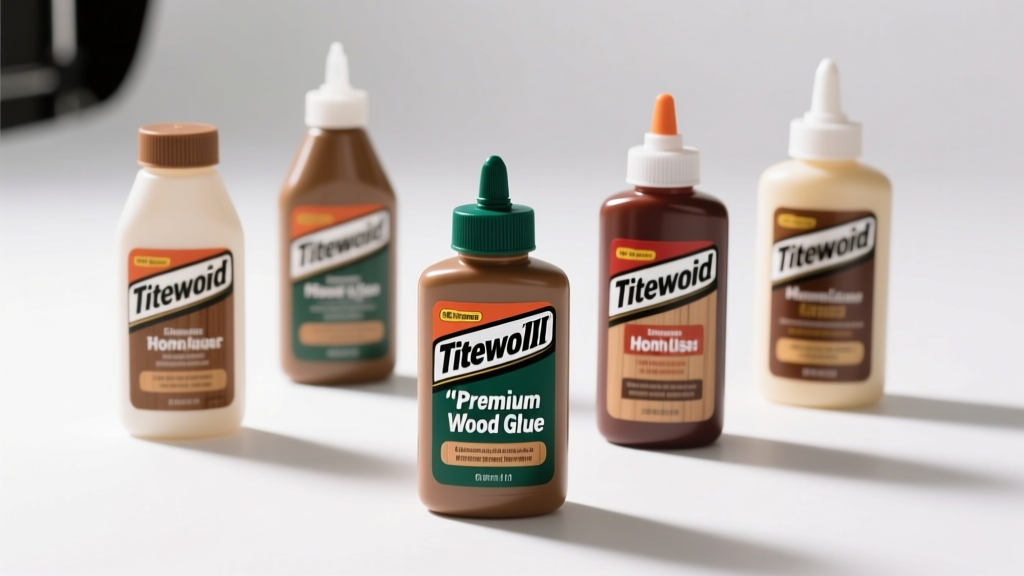
Wood glue is the unsung hero of home repairs and woodworking — whether you’re fixing a wobbly chair leg, assembling a bookshelf, or building a custom picture frame. Not all glues perform the same: some dry too fast for clamping, others fail in humid garages or outdoor sheds. The right choice balances bond strength, open time, water resistance, and ease of use — especially when you're not a professional cabinetmaker.
Quick Comparison Table
| Product | Price Range | Best For | Key Feature |
|---|---|---|---|
| Titebond III Ultimate | $8–$14 | Outdoor furniture & high-moisture areas | Waterproof (ANSI/HPVA Type I) |
| Elmer’s Carpenter’s Wood Glue Max | $5–$9 | Indoor repairs & beginners | Low-odor, sandable, no clamping needed for light gaps |
| Gorilla Wood Glue | $9–$13 | Heavy-duty bonding & mixed materials | Expands slightly to fill minor gaps; polyurethane-based |
| Franklin Titebond Original | $7–$11 | General indoor woodworking | ANSI/HPVA Type II — water-resistant, 5–10 min open time |
| CA Glue (e.g., Bob Smith Industries) | $6–$12 | Small repairs & tight-fitting joints | Instant grab, but brittle under shear stress |
Top Picks
Titebond III Ultimate
Best for homeowners tackling outdoor decks, garden boxes, or bathroom cabinets where moisture exposure is likely. It meets ANSI/HPVA Type I standards — meaning it passes rigorous boil-testing for true waterproof performance. Its 8–10 minute open time gives you room to adjust joints before clamping, and it cleans up easily with water while wet.
- Pros: Fully waterproof, FDA-approved for indirect food contact, sands smoothly
- Cons: Slightly higher price than basic PVA glues; requires full 24-hour cure for max strength
Price range: $8–$14 per 16 oz bottle.
Elmer’s Carpenter’s Wood Glue Max
Ideal for weekend fixers and first-time woodworkers who want reliability without complexity. It’s formulated to bridge small gaps (up to 1/16") without sacrificing bond strength — a rare trait in standard PVAs. Low odor makes it comfortable to use in garages or basements without ventilation concerns.
- Pros: Affordable, non-toxic, dries clear, no clamping required for light-duty bonds
- Cons: Not waterproof — avoid in bathrooms or outdoors; shorter open time (~5 min)
Price range: $5–$9 per 24 oz bottle.
Gorilla Wood Glue
A go-to when bonding hardwoods, MDF, or even porous materials like cork or bamboo. Its polyurethane base creates a stronger, more flexible bond than traditional PVAs — and it foams slightly as it cures, helping fill minor imperfections. According to the best clamps guide, this glue works best with firm, even pressure during the 20–30 minute clamp time.
- Pros: Bonds wood, stone, metal, and ceramics; resistant to heat and solvents
- Cons: Requires dampening one surface before application; cleanup is harder (needs mineral spirits)
Price range: $9–$13 per 8 oz bottle.
What to Look For
Don’t just grab the cheapest bottle on the shelf. Focus on these four criteria:
- ANSI/HPVA rating: Type I = waterproof (boil-tested), Type II = water-resistant (soak-tested), Type III = interior only.
- Open time: How long you have to position parts before glue skins over — 5–10 minutes is ideal for most home users.
- Cure time: Full strength takes 24 hours (not just “dry to touch” in 30 minutes).
- Cleanup method: Water-based PVAs clean with water; polyurethanes need solvents.
The U.S. EPA estimates that 14% of household water usage is from leaks — many caused by failed glue joints in plumbing-adjacent woodwork like vanity frames or shower surrounds. Choosing the right glue helps prevent those downstream issues.
Common Mistakes
Even experienced DIYers misapply wood glue. Here’s what trips people up:
- Using indoor-only glue (like Elmer’s School Glue) for structural repairs — it lacks shear strength and fails under load.
- Applying too much glue, causing squeeze-out that blocks grain and weakens finish adhesion.
- Skipping surface prep: oily, dusty, or painted wood won’t bond — always sand and wipe with denatured alcohol.
- Clamping too tightly: excess pressure starves the joint of glue, creating a dry, weak bond.
"A properly glued joint is stronger than the wood itself — but only if both surfaces are clean, flat, and evenly coated." — Wood Magazine, 2022 Joint Strength Testing Report
Can I use wood glue on painted or stained wood?
No — paint and stain create barriers that prevent glue penetration. Sand down to bare wood at the joint area, then wipe with a tack cloth. For repairs over finished surfaces, consider mechanical reinforcement (dowels or biscuits) plus glue on raw mating edges.
How long should I clamp wood glue?
Most PVA glues require 30–60 minutes of clamp time for initial set, but wait 24 hours before stressing the joint. Polyurethane glues like Gorilla need 20–30 minutes clamped, then 24 hours to fully cure. Always check the manufacturer’s label — screws and glue together often reduce clamp time significantly.
Is wood glue stronger than screws?
In shear strength across a long-grain joint? Yes — a well-glued joint can exceed 4,000 psi, while a #8 screw in pine holds ~800 psi in withdrawal. But glue alone lacks immediate holding power. That’s why pros combine both: glue for strength, screws for alignment and clamp-free assembly.
Does temperature affect wood glue performance?
Absolutely. Most PVAs require 45–90°F (7–32°C) for proper curing. Below 45°F, the polymer emulsion won’t coalesce — leading to chalky, weak bonds. Store glue indoors year-round, and warm cold wood to room temp before gluing.
Can I thin wood glue with water?
You can dilute PVA glue up to 5% by volume with water to improve flow into tight pores — but never exceed that. More water breaks the polymer matrix, reducing final bond strength by up to 30%, per Franklin Adhesives’ 2021 Technical Bulletin.
How long does wood glue last on the shelf?
Unopened, most PVAs last 1–2 years in cool, dry storage. Once opened, aim to use within 6–12 months — look for thickening, stringiness, or separation as signs of degradation. Discard if it smells sour or fails to form a skin when dabbed on paper.
Choosing the right wood glue isn’t about chasing the strongest number on the label — it’s about matching chemistry to your project’s environment, timeline, and tools. Whether you’re reinforcing a child’s toy chest or rebuilding a porch railing, the right adhesive saves time, avoids rework, and keeps joints solid for years. For related help, see our guides on best clamps for wood glue and wood screw selection.