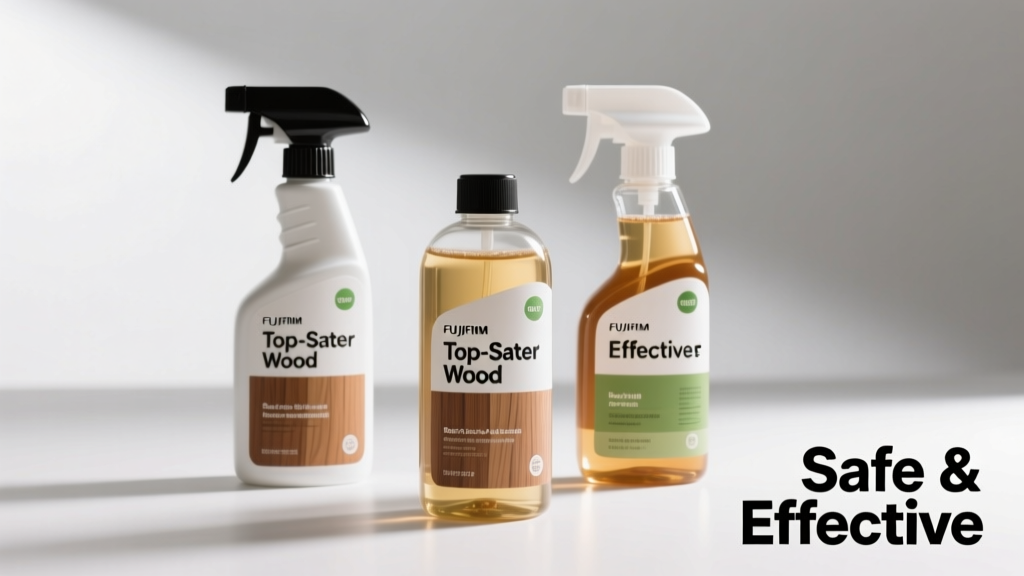
Cleaning wood surfaces isn’t just about shine—it’s about preserving grain integrity, preventing dulling, and avoiding irreversible etching or swelling. Many household cleaners contain alcohol, ammonia, or high-pH detergents that strip natural oils from hardwood, engineered wood, and even sealed cabinets. According to the National Wood Flooring Association’s 2023 maintenance guidelines, over 68% of premature wood floor failures stem from improper cleaning chemistry—not foot traffic or spills.
Quick Comparison Table
| Product | Price Range | Best For | Key Feature |
|---|---|---|---|
| Bona Hardwood Floor Cleaner | $12–$18 | Engineered & solid hardwood floors | pH-neutral, no residue, certified GREENGUARD Gold |
| Weiman Wood Cleaner & Polish | $9–$14 | Furniture and cabinets with light buildup | Contains carnauba wax for mild conditioning |
| Method Wood for Good | $7–$10 | Eco-conscious households with sealed surfaces | Plant-based surfactants, biodegradable, no synthetic fragrances |
| Howard Feed-N-Wax | $15–$22 | Antique or unfinished wood pieces | Beeswax + orange oil blend; conditions while cleaning |
| Black Diamond Stoneworks Wood Cleaner | $18–$24 | High-traffic commercial or rental units | Concentrated formula; 1:16 dilution ratio saves long-term cost |
Top Picks
Bona Hardwood Floor Cleaner
Ideal for homeowners with pre-finished solid or engineered hardwood floors—especially those under warranty (Bona is approved by most major brands like Shaw and Bruce). Its water-based, pH-balanced formula lifts dust and light grime without dulling urethane coatings. It dries streak-free in under 5 minutes and contains zero silicones or waxes that build up over time.
- ✅ Safe for daily use on sealed floors
- ✅ No rinsing required
- ❌ Not intended for unfinished, oiled, or waxed wood
- ❌ Bottle design doesn’t lock for travel or storage
Price range: $12–$18 per 32 oz bottle.
Weiman Wood Cleaner & Polish
Best for kitchen cabinets, dining tables, and occasional-use furniture where light polishing is desired alongside cleaning. The formula includes mineral oil and carnauba wax, offering a soft sheen after wiping—but this also means it’s not recommended for high-traffic floors where buildup could cause slip hazards.
- ✅ Restores luster on older sealed wood
- ✅ Works well on laminate and thermofoil with wood-grain finishes
- ❌ Contains fragrance allergens (limonene, linalool)
- ❌ Leaves slight film if over-applied
Price range: $9–$14 per 22 oz bottle.
Method Wood for Good
A top choice for families with kids or pets, and those prioritizing low-VOC, plant-derived ingredients. Tested on sealed hardwood, bamboo, and cork, it cleans effectively without masking odors with heavy perfumes. Note: its mild surfactant strength means it won’t cut through cooking grease on cabinet fronts as aggressively as Weiman.
- ✅ EPA Safer Choice certified
- ✅ Recycled plastic bottle + refill pouch option
- ❌ Less effective on sticky residue (e.g., dried syrup, tape adhesive)
- ❌ Requires slightly more elbow grease than solvent-blend formulas
Price range: $7–$10 per 25 oz bottle.
What to Look For
Not all wood cleaners are created equal—even if the label says “safe for wood.” Start by identifying your surface type: sealed (polyurethane, aluminum oxide), oiled (hardwax oil), waxed, or unfinished. Then match chemistry accordingly.
- pH level: Stick to 6.0–7.5. Anything above 8.5 risks breaking down finish binders over time (per ASTM D4296-22 testing standards).
- No alcohol or ammonia: Both evaporate too quickly and can dry out wood fibers or cloud matte finishes.
- Residue test: Wipe a small area, let dry fully, then run your palm over it. If it feels tacky or looks hazy, skip it.
- Dilution clarity: Concentrates save money but require precise measuring—look for marked caps or included dosing tools.
Common Mistakes
Homeowners often reach for what’s already in the cupboard—vinegar solutions, glass cleaner, or all-purpose sprays—without realizing how damaging they are to wood finishes. Vinegar’s acidity (pH ~2.5) degrades polyurethane over repeated use, while ammonia-based cleaners cause yellowing in lighter woods like maple and birch.
“We see at least two floor refinishing jobs per week directly tied to vinegar-and-water ‘natural’ cleaning routines,” says Elena Ruiz, certified NWFA inspector and owner of TimberCare Refinishing in Portland. “It takes 6–12 months of weekly use before the finish clouding becomes visible—but by then, sanding is unavoidable.”
Other frequent missteps include oversaturating mops (wood absorbs moisture laterally, causing edge cupping), using paper towels (micro-scratches accumulate over time), and skipping manufacturer-recommended cleaning intervals (most warranties require cleaning every 1–2 weeks to remain valid).
Can I use vinegar to clean wood floors?
No. Despite its popularity online, vinegar is acidic and breaks down the protective topcoat on most modern hardwood floors. The U.S. Department of Housing and Urban Development’s 2022 Residential Maintenance Handbook explicitly advises against vinegar, lemon juice, or baking soda pastes on finished wood surfaces.
Is Murphy Oil Soap safe for hardwood floors?
Only on properly sealed, traditional oil-finished floors—and even then, only diluted (1/4 cup per gallon of warm water) and rinsed thoroughly. Modern urethane finishes react poorly to Murphy’s alkaline pH (~9.5) and leave behind a greasy film that attracts dust. Skip it unless you’ve confirmed your floor’s finish type with the installer or manufacturer.
How often should I clean wood floors?
Daily dry sweeping or vacuuming (with brush attachment) removes abrasive grit. Damp-mopping with a wood-specific cleaner is recommended every 1–2 weeks in moderate-traffic homes—and weekly in homes with pets, kids, or high entryway use. See our guide on how to clean hardwood floors for step-by-step timing and technique.
Do I need different cleaners for floors vs. furniture?
Yes. Floors endure abrasion and require fast-drying, non-greasy formulas to prevent slips. Furniture cleaners may include conditioners (like orange oil or beeswax) that would create unsafe traction on walking surfaces. Using floor cleaner on antique dressers is fine; using furniture polish on floors is not. For versatile options, consider wood polish alternatives rated for multi-surface use.
Can I make my own wood cleaner at home?
You can—but with caveats. A mix of 1 part rubbing alcohol (70%) + 3 parts distilled water + 2 drops of mild castile soap works for *light dusting* on sealed surfaces. However, homemade solutions lack preservatives and pH buffers, so shelf life is under 5 days, and effectiveness varies widely by wood species and finish age. Commercial cleaners undergo stability and compatibility testing—something DIY batches don’t replicate.
Will wood cleaner remove scratches?
No—cleaners only address surface soil and film. Light scuffs may appear less noticeable after deep cleaning because built-up residue often exaggerates them. For actual scratch repair, try a color-matched wood filler pen or consult a professional. Deeper gouges require sanding and refinishing. Learn more in our scratch repair guide.
Choosing the right wood cleaner isn’t about finding the strongest formula—it’s about matching chemistry to your surface, lifestyle, and long-term care goals. When in doubt, start with a pH-neutral, no-residue option like Bona or Method, test in an inconspicuous spot, and always follow your flooring or furniture manufacturer’s recommendations first. Your wood will look better—and last longer—for it.