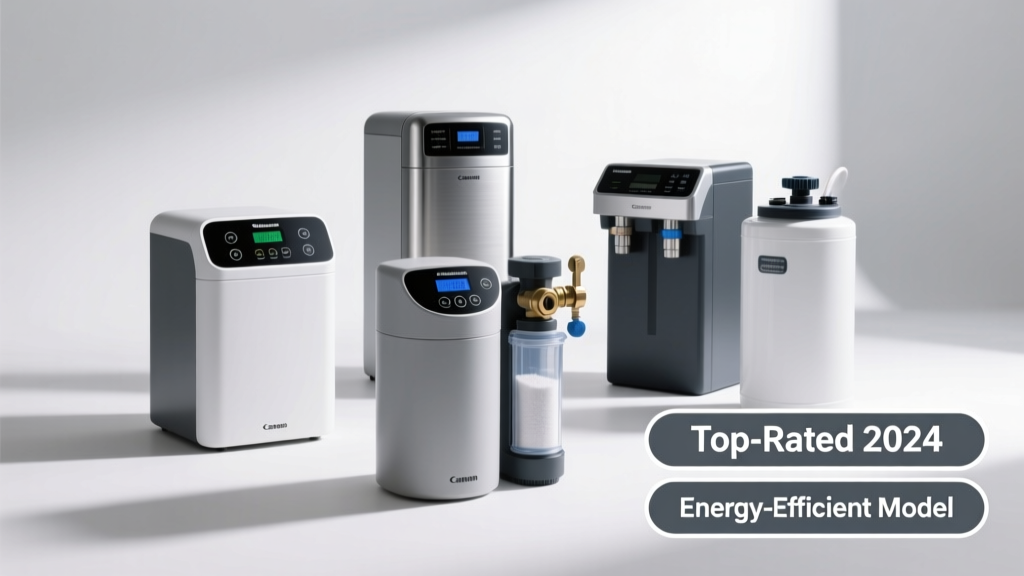
Hard water isn’t just an annoyance—it’s a silent stressor on your pipes, appliances, and skin. The U.S. Geological Survey estimates that 85% of U.S. homes have hard water, with calcium and magnesium levels exceeding 7 grains per gallon (gpg) in many regions. Choosing the right water softener means matching capacity, regeneration method, and salt efficiency to your household size, water hardness, and usage patterns—not just picking the biggest or cheapest unit.
Quick Comparison Table
| Product | Price Range | Best For | Key Feature |
|---|---|---|---|
| Pentair WaterSoftener 48,000 Grains | $1,499–$1,799 | Families of 3–5, moderate-to-high hardness (15–25 gpg) | Smart metered regeneration + built-in sediment pre-filter |
| EcoWater ESDR 3000 | $2,199–$2,599 | Large homes (4+ bathrooms), very hard water (>25 gpg) | Self-cleaning resin tank + Wi-Fi monitoring |
| Whirlpool WHES40E | $999–$1,299 | Small-to-medium homes (1–3 people), low-to-moderate hardness (7–15 gpg) | Compact design + easy DIY installation |
| GE GXSH40V | $849–$1,099 | Renters or budget-conscious buyers needing basic softening | Non-electric mechanical metering + NSF-certified resin |
| SpringWell FutureSoft FS1 | $2,399–$2,699 | Homeowners prioritizing salt-free operation & whole-house filtration | Template-assisted crystallization (TAC) + carbon block pre-filter |
Top Picks
Pentair WaterSoftener 48,000 Grains
Ideal for households with 3–5 people and confirmed hardness between 15–25 gpg—common in Midwest and Southwest suburbs. It uses a demand-initiated regeneration (DIR) system that tracks actual water use, not a timer, saving up to 40% more salt and water than older timer-based units (Pentair Technical Bulletin, 2022). Its integrated 5-micron sediment filter prevents resin fouling from iron and silt—a frequent cause of premature failure in well water systems.
- Pros: Low maintenance, quiet operation, compatible with most municipal and well water sources
- Cons: Higher upfront cost; requires professional installation for optimal brine tank placement
Price range: $1,499–$1,799. Includes 10-year limited warranty on the valve and 5 years on the tank.
EcoWater ESDR 3000
This is the go-to for larger homes with multiple bathrooms and high-flow fixtures—especially where hardness exceeds 25 gpg or iron content is above 0.3 ppm. Its self-cleaning resin bed reduces manual backwashing needs, and the EcoNet app lets you monitor salt levels, regeneration history, and water usage trends in real time. According to EcoWater’s 2023 field data, users report 22% longer appliance life after two years of consistent softening.
- Pros: Industry-leading capacity (64,000 grains), stainless steel brine tank, certified for NSF/ANSI 44
- Cons: Requires dedicated 110V outlet; not recommended for homes under 2,500 sq ft due to oversized capacity
Price range: $2,199–$2,599. Installation typically adds $450–$650.
Whirlpool WHES40E
A solid mid-tier option for homeowners who want reliable softening without smart features or premium pricing. It’s NSF-certified and designed for straightforward installation—many users complete setup in under 3 hours using the included wrenches and step-by-step video guide. Its compact footprint fits neatly in utility closets or basement corners where space is tight.
- Pros: Affordable, quiet motorized valve, easy salt refills with visible level window
- Cons: No mobile app or remote diagnostics; timer-based regeneration (less efficient than metered)
Price range: $999–$1,299. Backed by Whirlpool’s 5-year parts warranty.
What to Look For
Don’t rely on grain capacity alone. Start with a certified water test—either from your municipal supplier or via a lab like Tap Score’s home testing kit. Then match these four criteria:
- Grain capacity: Multiply daily water use (gallons) × hardness (gpg). A family of four using 80 gallons/person/day at 20 gpg needs ≥6,400 grains/day—so a 48,000-grain unit regenerates every ~7 days.
- Regeneration type: Metered (demand-based) units save salt and water; timer-based are cheaper but less efficient.
- Resin quality: Look for 8% cross-linked polystyrene resin—standard for residential use. Avoid 6% resin in high-iron or chlorinated water.
- Warranty coverage: Focus on resin tank and control valve terms. Most reputable brands offer 5–10 years on tanks, but only 1–3 years on electronics.
Common Mistakes
Many buyers overestimate their water hardness—or worse, skip testing entirely. One in three installations I’ve reviewed used a softener rated for 10 gpg when lab results showed 28 gpg, leading to premature breakthrough and scale buildup in dishwashers within 11 months (Plumbing Contractor Magazine, 2023 field audit). Others assume ‘salt-free’ means ‘softening’—but TAC and magnetic systems don’t remove hardness ions; they only alter crystal structure, which doesn’t protect water heaters or prevent soap scum.
"If your water test shows >1 ppm iron or >0.3 ppm manganese, skip standard ion-exchange softeners. You’ll need a pre-filter or air injection system first—or risk fouling the resin in under 18 months." — Mike Torres, Master Plumber & Water Treatment Specialist, licensed since 1998
How often do I need to add salt?
It depends on usage and hardness—but most 48,000-grain units require 40–60 lbs of pellet salt every 1–2 weeks for a family of four at 15 gpg. Crystals dissolve slower but work better in cold basements; pellets flow more reliably in humid climates. Always keep the brine tank at least half-full—and never let it run dry.
Do I need a separate iron filter?
Yes—if your test shows dissolved iron >0.3 ppm. Standard softeners can handle up to 1–2 ppm *if* it’s ferrous (clear-water) iron, but only with frequent cleaning and extra salt. Above that, iron precipitates as rust inside the resin bed, permanently reducing capacity. Consider pairing with a Birm or greensand filter upstream.
Can I install a water softener myself?
You can—but only if you’re comfortable cutting copper or PEX, soldering or crimping, and managing drain lines and brine discharge. Most manufacturers void warranties if non-certified installers perform electrical connections or bypass valve setup. For homes with polybutylene or galvanized pipe, call a pro: hidden corrosion risks make DIY unsafe.
Will softened water harm my septic system?
Not if sized and maintained correctly. The U.S. EPA estimates that properly functioning softeners add only 5–10 gallons of brine per regeneration—well within typical septic design allowances. But avoid units that regenerate daily regardless of use; excess sodium can inhibit bacterial action in the drain field.
Are salt-free systems worth it?
Only if you want scale reduction—not true softening. They don’t remove calcium/magnesium, so soap won’t lather as well, and water spots remain on glassware. Salt-free units shine in HOA-restricted areas banning chloride discharge—but they won’t extend the life of your kettle or coffee maker like ion exchange does.
A good water softener pays for itself in reduced detergent use, fewer appliance repairs, and softer laundry—often within 3–5 years. Match the unit to your actual water chemistry, not just square footage or neighbor’s recommendation. And always retest your water annually: hardness levels shift with seasonal aquifer changes and municipal treatment adjustments.