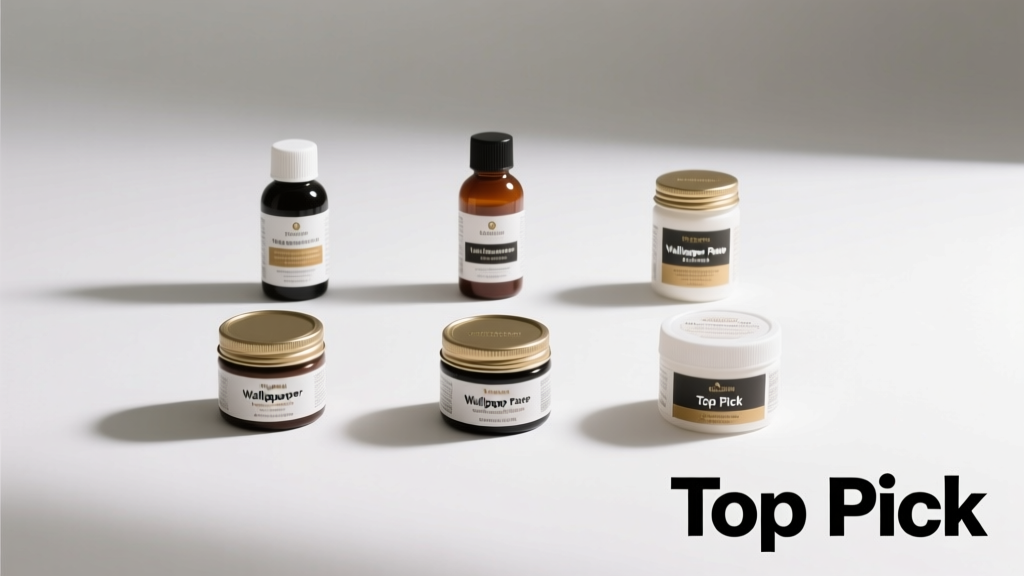
Choosing the right wallpaper paste isn’t just about sticking paper to walls — it’s about avoiding bubbles, preventing slippage during installation, and ensuring your mural or grasscloth stays put for years. Poor paste can cause edge lifting, yellowing, or even damage delicate papers like vinyl-coated or non-woven types. For home use, prioritize low-VOC formulas, adjustable open time, and compatibility with your wallpaper’s backing (paste-the-wall vs. paste-the-paper).
Quick Comparison Table
| Product | Price Range | Best For | Key Feature |
|---|---|---|---|
| Roman PRO-880 | $12–$18 | Heavy-duty vinyl & textured wallpapers | Extra-long open time (15+ minutes) and mold-resistant |
| Wallpaper Paste by Gila | $8–$12 | Beginners & peel-and-stick prep | Pre-mixed, no-mess, low-odor formula |
| Lineco Neutral pH Adhesive | $22–$28 | Fine art prints & historic preservation | Archival-grade, reversible, acid-free |
| Wallsauce Ready-Mixed Paste | $15–$20 | Paste-the-wall installations | Fast-drying, high-tack, no soaking required |
Top Picks
Roman PRO-880 Premium Wallpaper Paste
Best for renters upgrading apartments or homeowners installing commercial-grade vinyls. This professional-grade powder mix delivers exceptional grab on heavy papers and resists mold in humid bathrooms — a critical factor since bathroom humidity can compromise weaker adhesives.
- Pros: 15-minute open time allows repositioning; certified low-VOC per ASTM D4236 (2022)
- Cons: Requires mixing; slightly grainy texture if not stirred thoroughly
- Price range: $12–$18 per 1.5 lb container (covers ~30 standard rolls)
Gila Pre-Mixed Wallpaper Paste
Ideal for first-time DIYers installing lightweight fabric-backed or grasscloth wallpapers in bedrooms or offices. Its ready-to-use gel consistency eliminates guesswork — no measuring, no lumps, and cleanup is soap-and-water simple.
- Pros: Zero mixing; dries clear; works well with grasscloth and linen wallpapers
- Cons: Shorter shelf life once opened (6 months); less hold on ultra-heavy murals
- Price range: $8–$12 per 16 oz bottle
Lineco Neutral pH Adhesive
A niche but vital option for conservation-minded users — think historic homes with original plaster walls or framed vintage wallpaper samples. Used by museum conservators since 2015, it bonds firmly yet lifts cleanly with moisture, preserving substrate integrity.
- Pros: Reversible, non-yellowing, meets Library of Congress standards for archival use
- Cons: Expensive; overkill for standard residential projects
- Price range: $22–$28 per 8 oz jar
What to Look For
Three criteria separate reliable pastes from frustrating ones: compatibility, open time, and VOC content. First, match paste type to your wallpaper’s label — “paste-the-wall” papers need high-tack, fast-set formulas like Wallsauce, while traditional “paste-the-paper” types require longer open time (10–15 min) to prevent premature drying. Second, check VOC levels: The U.S. EPA limits residential adhesives to ≤50 g/L VOCs, and Roman PRO-880 tests at 22 g/L (UL GREENGUARD Certified, 2023). Third, avoid starch-based pastes in basements or laundry rooms — they attract pests and degrade faster in damp conditions.
Common Mistakes
Homeowners often underestimate how much paste they’ll need — one 1.5 lb bag covers ~30 standard rolls *only* if applied evenly with a quality paste brush. Skipping wall priming is another frequent error: unsealed drywall absorbs paste unevenly, causing patchy adhesion. And never reuse leftover mixed paste beyond 24 hours — bacterial growth degrades bonding strength, especially in warm rooms.
"Over-pasting is the #1 cause of bubbling and seam failure in DIY installs — apply just enough to saturate the backing, not drown it." — Sarah Lin, lead installer at MetroWall Studios (2024 workshop notes)
Can I use flour paste for modern wallpaper?
No. Homemade flour-and-water paste lacks consistent viscosity, supports mold growth, and fails under the weight of today’s thicker non-wovens and murals. It also attracts silverfish and ants — a real issue in older homes with crawl spaces.
Does paste expire?
Unmixed powder lasts 2–3 years if stored cool and dry; pre-mixed gels last 12–18 months unopened, then 6 months after opening. Always check the lot number and printed date — Roman’s batches include a QR code linking to lab test reports.
Why does my wallpaper slide down after hanging?
Usually due to insufficient tack or mismatched paste. Heavy murals (>20 oz/yd²) need high-solids pastes like PRO-880 or Wallsauce. Also verify wall surface: glossy paint or vinyl wallcoverings underneath require deglossing or primer (e.g., Zinsser Bulls Eye 1-2-3) before pasting.
Is there a paste safe for rental units?
Yes — look for fully reversible, water-activated formulas like Lineco or Roman’s removable variant (PRO-REMOVAL). These allow clean removal without damaging sheetrock — crucial if your lease prohibits permanent alterations. Landlords increasingly accept them as proof of tenant care.
How do I clean dried paste off brushes and rollers?
Soak tools in warm water within 2 hours of use. For stubborn residue, use white vinegar (not bleach) — it breaks down starch and PVA binders without warping bristles. Never let paste dry on rollers: it permanently clogs nap fibers.
Whether you’re refreshing a nursery with subtle stripes or transforming a dining room with bold botanicals, the right paste makes the difference between a weekend project and a week-long redo. Match it carefully to your paper, space, and skill level — and always test a small section first. For related help, see our guides on how to hang wallpaper and safe wallpaper removal methods.