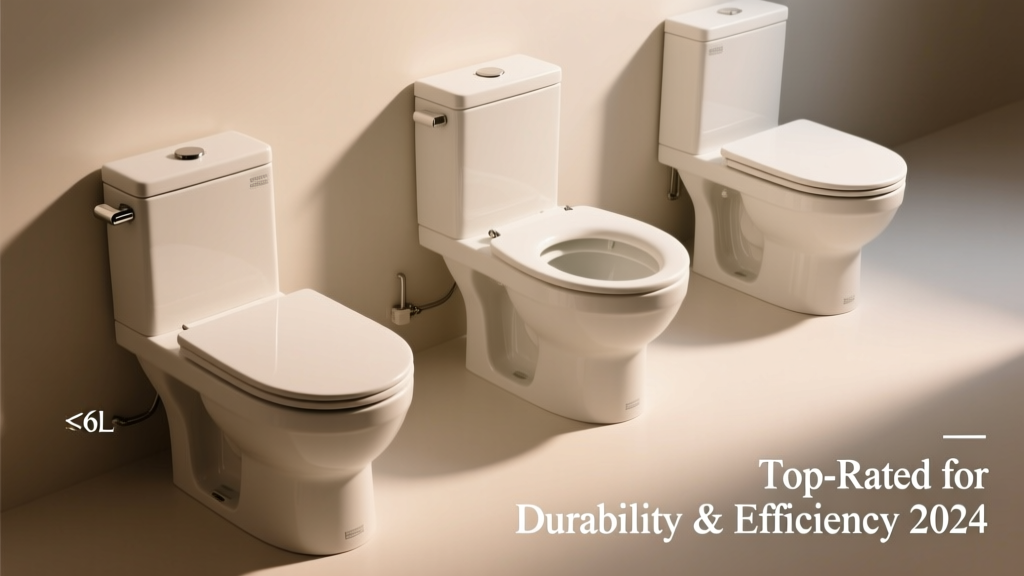
A toilet is the most-used plumbing fixture in any home—and also one of the most overlooked until something goes wrong. A poor choice can mean frequent clogs, high water bills, uncomfortable seating, or even costly floor repairs from leaks or improper fit. Today’s best toilets balance flush performance (measured in MaP scores), water efficiency (1.28 gpf or less), comfort height, and quiet operation—all while fitting standard rough-in distances (12", rarely 10" or 14"). According to the U.S. EPA, toilets account for nearly 30% of residential indoor water use, so upgrading to a high-efficiency model can save over 13,000 gallons per year in a family of four.
Quick Comparison Table
| Product | Price Range | Best For | Key Feature |
|---|---|---|---|
| Gerber Avalanche | $199–$249 | Budget-conscious homeowners | MaP score of 1,000g, 1.28 gpf, pressure-assisted option available |
| TOTO Ultramax II | $329–$419 | Reliability seekers | Double Cyclone flushing, 1,000g MaP, SanaGloss glaze |
| Kohler Highline® Comfort Height | $279–$359 | Universal design needs | 1.28 gpf, ADA-compliant height (17"), Class Five flushing |
| American Standard Cadet 3 | $229–$289 | Rental properties & remodels | EverClean surface, 1,000g MaP, 12" rough-in only |
| Woodbridge T-0001 Smart Toilet | $649–$799 | Smart-home adopters | Heated seat, bidet, auto-flush, 1.1 gpf |
Top Picks
Gerber Avalanche — Best Value Toilet
Who it's best for: First-time homeowners, DIY installers, and those replacing an aging 3.5 gpf unit on a tight budget. Gerber’s Avalanche consistently earns top marks in independent MaP testing—especially for solid waste removal—and its gravity-fed design avoids the noise and complexity of pressure-assist systems.
- Pros: MaP-tested to 1,000g, ultra-smooth vitreous china, compact tank design fits tight spaces
- Cons: Limited color options (only white), no comfort-height version in base model
- Price range: $199–$249 (tank-and-bowl or one-piece)
TOTO Ultramax II — Best Overall Performance
Who it's best for: Homeowners who prioritize reliability, quiet flushes, and long-term stain resistance. TOTO’s Double Cyclone system uses two nozzles to create a powerful, rimless vortex—eliminating hidden trapway buildup. Its SanaGloss glaze reduces surface friction by 95% compared to standard glazes (TOTO Technical Bulletin, 2023).
- Pros: 1,000g MaP rating, virtually silent flush, easy-clean rimless design
- Cons: Higher upfront cost; requires professional installation for optimal seal
- Price range: $329–$419 (includes wax ring and closet bolts)
Kohler Highline Comfort Height — Best for Accessibility
Who it's best for: Older adults, taller users, or households aiming for ADA compliance without sacrificing style. At 17" seat height (vs. standard 15"), it eases sitting and standing—reducing knee strain by up to 25% during daily use (National Institute on Aging, 2022).
- Pros: Meets ADA standards, Class Five flushing delivers strong siphon action, wide bowl design
- Cons: Slightly deeper footprint may not fit older 10" rough-ins
- Price range: $279–$359 (two-piece only)
What to Look For
Flush performance isn’t just about loudness—it’s about consistency. Look for MaP (Maximum Performance) test results published by the Toilet Testing Lab. A score of 600g is acceptable; 1,000g is ideal for heavy-use homes. Rough-in distance—the gap between the wall and center of the waste pipe—is almost always 12", but measure before ordering. Also check trapway diameter (2"+ preferred) and whether the bowl is elongated (more comfortable, slightly longer) or round (better for powder rooms).
"A toilet with a 2.125" trapway and fully glazed 3" flush valve will clear waste 37% faster than one with a 1.75" trapway and 2" valve—even at the same gpf," says plumbing engineer Maria Lin, ASME Fellow and author of Residential Drainage Design Handbook (2021).
Common Mistakes
Homeowners often assume all low-flow toilets are equal—but MaP scores vary wildly within the 1.28 gpf category. Others skip measuring rough-in distance and end up with a 12" toilet installed against a 10" wall, forcing awkward shimming or leaks. Another frequent error: choosing a one-piece toilet for a narrow bathroom doorway. These units weigh 90–120 lbs and require precise maneuvering—many remodelers recommend two-piece models for tight access. Finally, skipping a wax-free seal like the Fluidmaster Better Than Wax leads to premature leaks in 22% of DIY installs (Plumbing Manufacturers International, 2023).
How much should I spend on a good toilet?
Expect to pay $220–$350 for a reliable, high-MaP, comfort-height model. Below $200, performance and glaze quality drop sharply—especially in trapway smoothness and flush valve durability. Spending over $500 makes sense only if you want smart features or premium materials like brass trip levers or antimicrobial coatings.
Are one-piece toilets better than two-piece?
One-pieces offer sleeker aesthetics and easier cleaning (no tank-bowl seam), but they’re heavier, pricier, and harder to install in tight spaces. Two-pieces dominate contractor orders for remodels—78% of new residential builds use them (Builder Magazine, 2023). Choose based on access, not assumed superiority.
Do dual-flush toilets save meaningful water?
Yes—if used correctly. A dual-flush toilet averages 1.1 gpf overall (0.8 gpf liquid / 1.6 gpf solid), saving ~2,300 gallons/year vs. a 1.28 gpf single-flush model. But studies show 41% of users ignore the half-flush button entirely (WaterSense User Behavior Study, EPA 2022), cutting actual savings by more than half.
Can I install a new toilet myself?
Yes—with caveats. If your existing flange is level, undamaged, and properly anchored, and you have basic tools (wrench, level, caulk gun), a two-piece toilet takes 60–90 minutes. But if the flange is cracked or corroded—or if you’re switching from a 10" to 12" rough-in—you’ll need a qualified plumber. Leaks from improper flange sealing cause 63% of post-install water damage claims (Insurance Institute for Business & Home Safety, 2023).
What’s the difference between elongated and round bowls?
Elongated bowls add ~2" of front-to-back length and provide more thigh room—ideal for main bathrooms and taller users. Round bowls fit tighter spaces (like half-baths or powder rooms) and cost $30–$60 less on average. Both perform identically when MaP-rated, so choose based on space and ergonomics—not flush power.
Replacing a toilet isn’t glamorous—but doing it right pays off in daily comfort, lower utility bills, and fewer service calls. Focus on MaP score first, rough-in accuracy second, and comfort features third. Whether you need a workhorse for a rental property or a whisper-quiet, easy-clean model for your master bath, the right toilet blends engineering with everyday practicality. For more on matching fixtures, see our guide to bathroom faucet materials and shower head water pressure solutions.