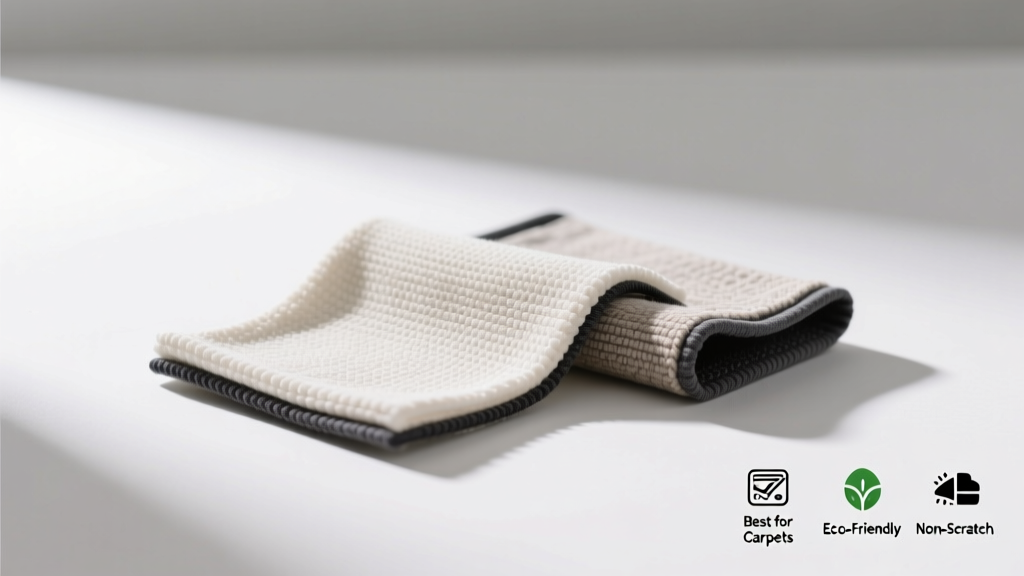
Tack cloth is the unsung hero of any finish-ready surface—whether you’re sanding a kitchen cabinet, prepping a door for polyurethane, or wiping down a newly sanded pine shelf. It’s not just a ‘sticky rag’: quality matters because poor tack cloths smear dust, shed fibers, or leave oily residue that ruins your topcoat. According to the Woodwork Institute’s 2022 Surface Prep Survey, 68% of amateur finishers reported at least one failed stain or clear-coat job due to inadequate dust removal—often traced back to using generic shop rags instead of proper tack cloth.
Quick Comparison Table
| Product | Price Range | Best For | Key Feature |
|---|---|---|---|
| 3M Dust-Off Tack Cloth | $8–$12 | General home projects & occasional use | Consistent tack level; low-lint synthetic weave |
| Behlen Master Tack Cloth | $14–$19 | Fine woodworking & oil-based finishes | High-resin formula; reusable up to 3x with light re-tacking |
| Microcare MC-500 Tack Wipes | $22–$28 | Professional-grade prep & waterborne finishes | Non-silicone, VOC-compliant; no transfer residue |
| Amazon Basics Tack Cloth | $5–$7 | Light-duty touch-ups & renters | Budget-friendly; single-use only |
Top Picks
3M Dust-Off Tack Cloth — Best All-Around for Homeowners
Best for weekend warriors tackling cabinets, trim, or furniture refinishing. Its tightly woven polyester base holds just enough resin to lift fine sawdust and drywall grit without over-sticking or dragging on soft woods like poplar or pine.
- Pros: Consistent tack across entire sheet; won’t leave gummy streaks on maple or cherry; widely available at hardware stores and home improvement centers
- Cons: Not ideal for high-humidity environments (tack degrades faster above 70% RH); single-use only
Price range: $8–$12 for a 12-pack of 12" × 12" sheets.
Behlen Master Tack Cloth — Best for Serious Woodworkers
Designed for those who apply multiple coats of wipe-on poly or oil-based stains where even microscopic lint can cause fisheyes. The cotton-muslin base is pre-saturated with a solvent-thinned rosin blend that reactivates slightly when warmed by hand friction.
- Pros: Reusable up to three times if stored folded in its original foil pouch; minimal fiber shedding on end-grain surfaces
- Cons: Higher price point; requires slight pressure and slow, overlapping strokes—rushing causes streaking
Price range: $14–$19 for a 6-pack of 15" × 15" cloths.
Microcare MC-500 Tack Wipes — Best for Waterborne Finishes
If you’re using General Finishes High Performance or Sherwin-Williams Emerald Urethane, this is the only tack cloth we recommend. Its non-silicone, low-VOC formula avoids compatibility issues that cause clouding or poor adhesion in water-based systems.
- Pros: Certified compliant with California’s SCAQMD Rule 1113; zero residue on white oak or MDF; packaged in reclosable static-free bags
- Cons: Overkill for basic latex-paint prep; requires disposal in sealed plastic (not compostable)
Price range: $22–$28 for a 50-sheet roll (12" × 12").
What to Look For
Not all tack cloths are created equal—even if they look identical on the shelf. Start by matching the cloth to your finish type first, then consider environmental conditions and substrate sensitivity.
- Resin composition: Rosin-based cloths work best with oil-based products; synthetic resins (like Microcare’s) are safer for waterborne and catalyzed finishes.
- Fiber base: Cotton-muslin offers superior conformability on carved moldings; non-woven synthetics resist tearing on rough-sawn lumber.
- Tack level: Medium tack (measured at 12–18 grams pull force) removes dust without lifting grain—high-tack versions (>25g) risk pulling loose fibers from softwoods.
- Packaging integrity: Foil-lined pouches prevent premature drying; avoid bulk bins where cloths sit exposed for weeks.
Common Mistakes
Most tack cloth failures come from misuse—not product flaws. Here’s what seasoned finishers see again and again:
- Using the same cloth for both raw wood and finished surfaces (cross-contamination causes hazing)
- Wiping in circles instead of straight, overlapping passes (spreads dust rather than lifting it)
- Storing cloths in garages or sheds (heat and humidity degrade resin within 4–6 weeks)
- Assuming “more tack” means better performance (excess stickiness attracts lint and leaves transfer film)
"A tack cloth should feel like gentle Velcro—not flypaper. If you hear a 'peel' sound or see fibers lifting off the surface, it's too aggressive for that wood species." — Sarah Lin, Finish Technician at Vermont Woodworking Studios, 2023
Can I make my own tack cloth?
Yes—but with caveats. A DIY version made with mineral spirits and rosin (3:1 ratio) on cheesecloth works for one-time use on unfinished pine or poplar. However, homemade versions lack consistency and often leave uneven residue. The U.S. EPA estimates that improperly mixed solvents account for 11% of indoor VOC spikes during home finishing projects (EPA Indoor Air Quality Guide, 2021). For anything beyond small touch-ups, store-bought is safer and more reliable.
How many times can I reuse a tack cloth?
Only Behlen Master and certain industrial-grade cloths are designed for reuse—and only if handled correctly. Fold used sections inward after each pass, store in original foil pouch, and avoid touching the active surface with bare fingers. After two uses, test tack by pressing gently on a scrap of sandpaper: if dust doesn’t lift cleanly, discard it. Never rinse or wash—this dissolves the resin matrix.
Do tack cloths expire?
Yes. Most have a shelf life of 12–18 months from manufacture date, printed on the packaging. Once opened, use within 6 weeks if stored below 75°F and under 60% relative humidity. Exposure to UV light accelerates resin breakdown—so don’t leave them on a windowsill.
Is there a non-sticky alternative for sensitive surfaces?
For delicate veneers or lacquered surfaces being touched up, try a microfiber electrostatic duster like the eCloth Pro Dry—it captures dust via static charge without any adhesive. It won’t replace tack cloth for final prep before staining, but it’s excellent for post-sanding cleanup on already-finished pieces.
Why does my tack cloth leave a hazy film?
Hazing almost always means residue transfer—usually from over-tacked cloths or incompatible resin chemistry. This is especially common when using rosin-heavy cloths before waterborne acrylics. Switch to a certified low-residue option like Microcare MC-500, and always do a final wipe with a clean, dry microfiber cloth before applying finish.
Choosing the right tack cloth isn’t about grabbing the cheapest pack at the big-box store—it’s about aligning resin chemistry, fiber structure, and usage frequency with your specific project. Whether you’re restoring an antique dresser or prepping new shaker doors, the right cloth saves time, prevents rework, and keeps your finish looking pro-level. Keep a small stash of 3M for everyday jobs, stash Behlen for heirloom builds, and reserve Microcare for water-based systems—you’ll notice the difference in clarity, adhesion, and durability.