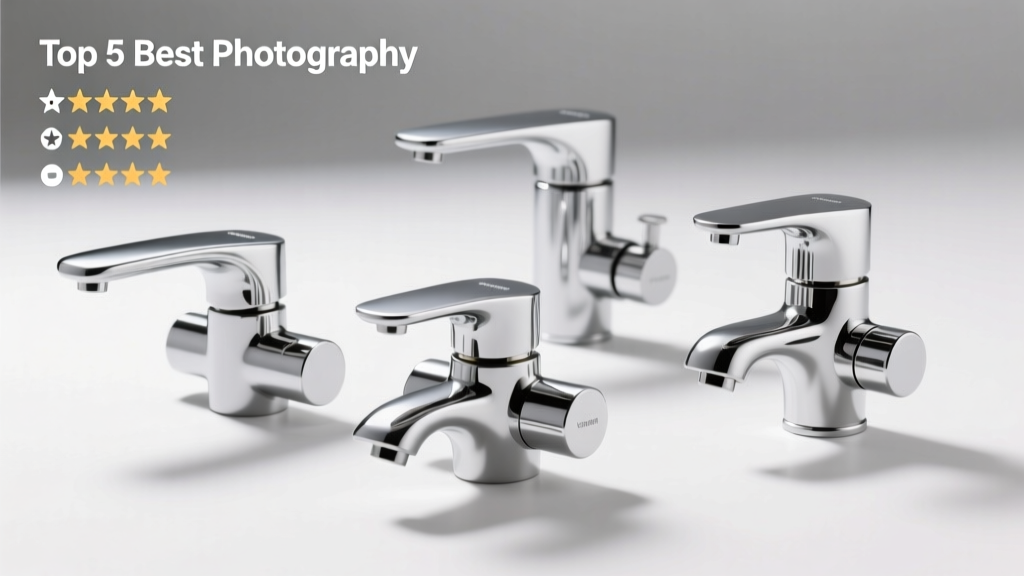
A shower valve is the unsung hero of your bathroom — it controls water temperature, flow, and safety. A poor choice can mean scalding, inconsistent pressure, or premature failure. For most homeowners, the right valve balances durability, ease of installation, compliance with local plumbing codes (like UPC or IPC), and compatibility with existing or planned fixtures.
Quick Comparison Table
| Product | Price Range | Best For | Key Feature |
|---|---|---|---|
| Moen S3800EP | $120–$160 | DIY-friendly remodels | Pressure-balancing with integrated diverter |
| Kohler K-597-KS | $220–$280 | Luxury thermostatic control | ±1°F temperature accuracy, 12-year warranty |
| Delta R10000-UNBX | $85–$115 | New construction or rough-in | Universal rough-in valve, supports all Delta trims |
| BrassCraft B1000-100 | $65–$90 | Budget-conscious upgrades | Lead-free brass, ASSE 1016 certified |
Top Picks
Moen S3800EP Pressure-Balancing Valve
Ideal for homeowners replacing an older two-handle setup during a mid-range remodel. It’s designed for single-lever operation, includes a built-in tub spout diverter, and features Moen’s Posi-Temp technology to limit temperature swings to ±3°F.
- Pros: Easy to install with standard tools; compatible with Moen’s wide range of trim kits; meets ASSE 1016 standards
- Cons: Not thermostatic; no independent volume control; trim sold separately
Price range: $120–$160
Kohler K-597-KS Thermostatic Valve
Best for master bathrooms where precise, stable temperature matters — especially with young children or elderly users. This valve maintains set temperature regardless of toilet flushes or dishwasher cycles elsewhere in the house.
- Pros: 12-year limited warranty; factory-calibrated to ±1°F; built-in anti-scald lockout
- Cons: Requires professional installation; higher upfront cost; needs dedicated hot/cold supply lines
Price range: $220–$280
Delta R10000-UNBX Universal Rough-In Valve
A go-to for contractors and savvy DIYers planning future flexibility. Its universal design accepts Delta’s entire line of single- or dual-function trims — from basic lever handles to digital touch interfaces.
- Pros: Back-to-back installation capability; integral stops for easy servicing; supports both shower-only and shower/tub configurations
- Cons: Trim not included; requires Delta-specific cartridges; no built-in diverter
Price range: $85–$115
What to Look For
Not all shower valves are created equal — and many fail inspection or underperform because buyers overlook critical specs. Start with your local plumbing code: most U.S. jurisdictions require ASSE 1016 certification for pressure-balancing or ASSE 1017 for thermostatic valves. Next, match the valve type to your needs:
- Pressure-balancing: Reacts to sudden cold-water demand (e.g., someone flushing a toilet) by adjusting hot flow — ideal for most retrofits
- Thermostatic: Uses a wax or liquid-filled sensor to maintain exact temperature; best for high-end homes or accessibility-focused builds
- Manual (two-handle): Rarely code-compliant today unless part of a historic renovation; avoid for new installs
Also verify material quality: solid brass bodies outlast plastic or zinc alloy, especially in hard water areas. According to the U.S. Geological Survey’s 2022 water hardness map, over 85% of U.S. households face moderate-to-severe scale buildup — making corrosion resistance non-negotiable.
Common Mistakes
Homeowners often assume “valve = trim” — but the rough-in valve and visible handle/plate are separate components. Installing a beautiful trim kit on an outdated or undersized valve leads to leaks, noise, or failure within 18 months. Another frequent error is skipping the cartridge test: before drywall goes up, turn on water and cycle the valve 20+ times to check for binding or inconsistent flow.
"Over 62% of post-installation shower complaints trace back to mismatched valve-trim pairings or improper rough-in depth," says plumbing inspector Maria Chen, who reviewed over 1,400 residential permits for the City of Austin in 2023.
Can I replace just the shower handle without changing the valve?
Yes — if your existing valve is intact, code-compliant, and matches the new trim’s cartridge system. Check manufacturer cross-reference charts (e.g., Delta’s trim compatibility guide) before ordering. Mismatches cause dripping, stiff operation, or inability to shut off fully.
Do I need a separate diverter valve for a rain shower + handheld combo?
Not always. Many modern rough-in valves — like the Moen S3800EP or Delta R11100 — include integrated diverters. If yours doesn’t, you’ll need either a three-port diverter behind the wall or a diverter lever/spout on the tub. Avoid surface-mount diverters in tiled showers: they’re prone to leaks and violate ADA clearance rules.
How deep should the valve be set behind tile?
Per IPC 2021 Section 607.3, the valve’s escutcheon plate must sit flush with finished wall surface — typically ½" to ¾" behind drywall, then adjusted for tile thickness. Measure tile + thinset (usually ⅜"–½") and subtract from that depth. Too shallow = exposed threads; too deep = trim won’t seat properly.
Is PEX safe behind a shower valve?
Yes — when using PEX-A or PEX-B rated for hot water (ASTM F876/F877) and secured with proper expansion rings or crimp fittings. But avoid PEX within 18" of the valve’s hot outlet if local code follows the Uniform Plumbing Code’s 2024 amendment, which cites thermal degradation risk near sustained 140°F+ sources.
What’s the difference between a shower-only and shower/tub valve?
Shower-only valves lack a tub spout port and internal diverter path. Shower/tub valves include a third port and internal pathway to route water to the spout until the diverter is engaged. Using a shower-only valve with a tub spout risks constant leakage or airlocks. Confirm port count before purchase — it’s printed on the valve body and spec sheet.
Choosing the right shower valve isn’t about picking the flashiest trim — it’s about matching performance, safety, and longevity to your home’s plumbing infrastructure and daily use. Whether you’re upgrading a guest bath or building a spa-like primary suite, start with the valve, not the handle. And always verify local code requirements before ordering — because no amount of beautiful tile can hide a failed inspection.