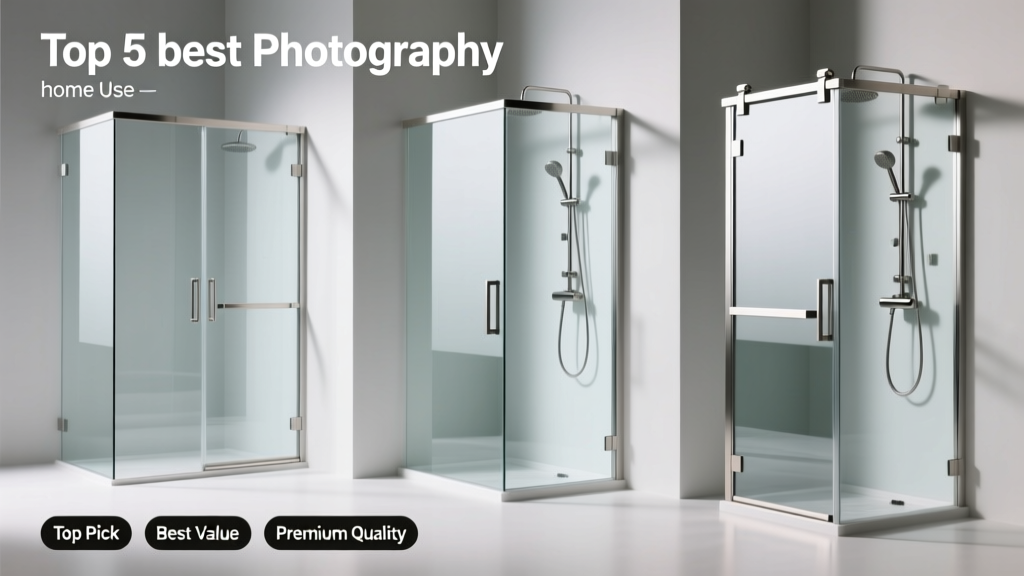
Shower doors aren’t just about aesthetics—they’re critical for water containment, safety, and daily usability. A poorly sized or low-quality door can lead to leaks, mold growth, and frustrating operation. With over 60% of bathroom renovation budgets allocated to fixtures (National Kitchen & Bath Association, 2023), choosing the right shower door impacts both longevity and resale value.
Quick Comparison Table
| Product | Price Range | Best For | Key Feature |
|---|---|---|---|
| Delta Classic Pivot | $299–$429 | Standard 60" alcoves | Self-closing pivot hinge with integrated sweep seal |
| Vigo VG1207 Frameless | $549–$729 | Modern, high-ceiling bathrooms | 1/2" tempered glass, no bottom track |
| Basco Elegance Sliding | $389–$519 | Tight spaces or accessibility needs | Low-threshold design, ADA-compliant rollers |
| Moentrol 78300 Bypass | $229–$349 | Renter-friendly upgrades | Tool-free adjustable wall brackets |
Top Picks
Delta Classic Pivot Shower Door
Best for homeowners with standard 60-inch alcove showers who want reliable performance without custom fabrication. Its dual-point pivot hinge system eliminates sagging over time, and the silicone-tipped sweep prevents water escape along the threshold.
- Pros: Easy DIY install (under 90 minutes), lifetime warranty on hardware, meets ANSI Z97.1 safety standards
- Cons: Not suitable for out-of-plumb walls; requires minimum 59-1/2" opening width
Price range: $299–$429
Vigo VG1207 Frameless Shower Door
Ideal for master bathrooms with 9-foot ceilings and contemporary finishes. The 1/2-inch tempered glass is thicker than most competitors’ 3/8-inch panels—critical for stability in large openings—and it mounts directly to tile with concealed stainless steel anchors.
- Pros: Zero visual obstruction, fully reversible swing direction, includes anti-lime coating
- Cons: Requires professional leveling; not recommended for walls with grout joints wider than 1/8"
Price range: $549–$729
Basco Elegance Sliding Shower Door
A top choice for aging-in-place renovations or narrow 32-inch-wide showers. Unlike traditional sliding doors, its low-profile 3/8-inch aluminum track sits only 1/4" above the curb—reducing trip hazards while maintaining full water retention.
- Pros: Meets ADA clearance specs, quiet ball-bearing rollers, optional frosted privacy glass
- Cons: Slightly more expensive than bypass alternatives; cleaning tracks requires weekly vacuuming
Price range: $389–$519
What to Look For
Start with your rough opening—not the tile-to-tile measurement. Measure at three points (top, middle, bottom) and use the smallest dimension. Then confirm wall plumb: a 1/8" deviation per foot exceeds most manufacturers’ tolerance. Glass thickness matters too: 3/8" is adequate for doors under 30" wide, but anything wider demands 1/2" for rigidity and safety compliance.
- Glass type: Always specify ANSI Z97.1 or CPSC 16 CFR 1201 Category II tempered glass
- Hinge type: Pivot hinges offer smoother motion; roller systems need precise track alignment
- Sealing: Look for magnetic or silicone sweep seals—not just rubber gaskets—that compress against the threshold
Common Mistakes
Homeowners often skip checking subfloor deflection before ordering frameless doors. Even slight flex in the floor causes misalignment and premature seal failure. Another frequent error? Assuming all "low-iron" glass is equal—only TrueVue or Starphire brands deliver consistent clarity without green tint, especially in 1/2" thicknesses.
"Over 40% of post-installation service calls for shower doors stem from inaccurate rough opening measurements—not product defects," says Dan Rizzo, Senior Product Manager at Basco, 2024.
How much space do I need for a pivot shower door?
You’ll need at least 30 inches of clear swing radius in front of the opening. If your bathroom has a vanity or toilet within that arc, consider a sliding or bi-fold alternative. Also verify ceiling height: most pivot doors require 84–96 inches of vertical clearance for proper hinge placement.
Can I install a frameless shower door on drywall?
No—frameless doors must anchor into solid blocking or studs behind tile. Drywall alone can’t support the 40+ pounds of tempered glass plus user contact force. If you’re remodeling, install 2x6 blocking between studs at hinge and header locations before tiling. For retrofits, use toggle bolts rated for 75+ lbs shear load, like heavy-duty tile anchors.
Do sliding shower doors leak more than hinged ones?
Not inherently—but poor track maintenance increases risk. The U.S. EPA estimates that 14% of household water usage is from leaks, many originating from neglected shower door seals (EPA WaterSense, 2022). Sliding doors with dual-track designs and compression sweeps perform as well as hinged units when cleaned monthly with vinegar and a soft brush.
What’s the difference between semi-frameless and frameless?
Semi-frameless doors use metal framing on the hinge and header only, reducing cost and improving structural support. Frameless doors omit all visible metal except hinges and handles—offering maximum light transmission but requiring stricter wall tolerances. Both types use the same tempered glass; the distinction is purely in hardware coverage.
How do I clean water spots off shower door glass?
A 50/50 mix of white vinegar and distilled water applied with a microfiber cloth removes mineral deposits without etching. Avoid abrasive pads or ammonia-based cleaners—they degrade silicone seals and anti-spot coatings. For long-term protection, apply a hydrophobic spray like Rain-X Shower Door Sealant every 3 months.
A well-chosen shower door should last 10–15 years with minimal upkeep—if installed correctly and matched to your space’s real-world constraints. Prioritize fit over flashiness, verify certifications before purchase, and never skip a pre-installation level check. Your future self will thank you every morning.