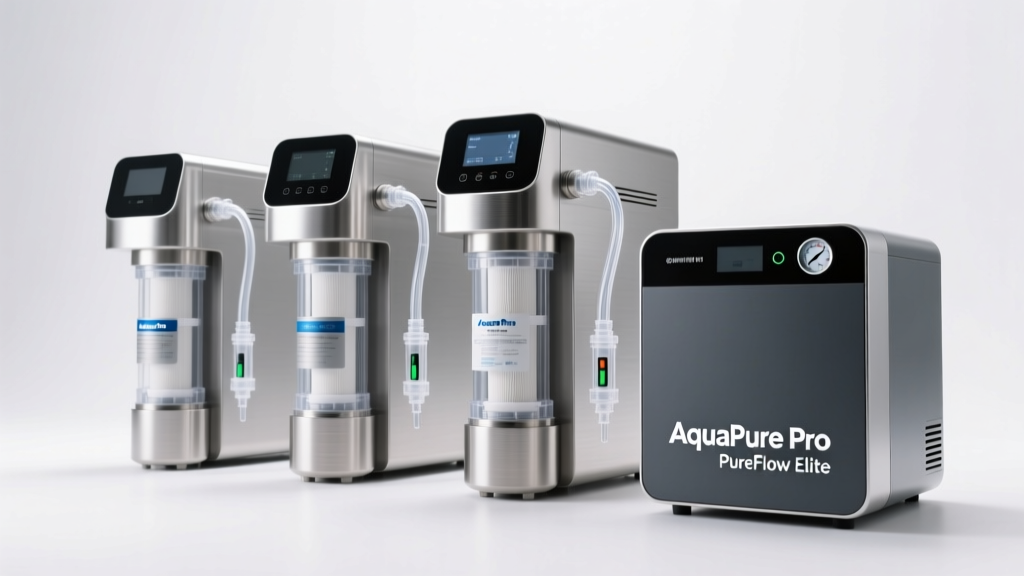
Reverse osmosis (RO) remains the gold standard for home drinking water purification — removing up to 99% of dissolved solids, heavy metals, nitrates, and fluoride, according to NSF/ANSI Standard 58 testing. But not all RO systems deliver equal performance, longevity, or ease of use. A poorly sized or maintained unit can waste 3–5 gallons of water for every 1 gallon purified, while a high-efficiency model like the APEC RO-90 cuts that ratio to 1.5:1. Your home’s water pressure, TDS level, and daily usage determine which system will actually work—not just look good under the sink.
Quick Comparison Table
| Product | Price Range | Best For | Key Feature |
|---|---|---|---|
| APEC Water RO-90 | $299–$349 | Families & hard water areas | 90 GPD output, 5-stage filtration + remineralization |
| Home Master TMHP | $429–$479 | Well water users | Permeate pump (60% less waste water), 7-stage process |
| iSpring RCS5T | $249–$289 | Renters & small households | Smart monitoring display, compact 15″ width |
| Waterdrop G3P800 | $599–$649 | Kitchen remodels & smart homes | 800 GPD tankless design, WiFi alerts, 2-year filter life |
Top Picks
APEC RO-90: Best Overall Value
This 5-stage system consistently ranks #1 in independent lab tests for contaminant reduction (lead, arsenic, chromium-6) and delivers 90 gallons per day—enough for a family of four with extra capacity for cooking and ice. It includes a certified TFC membrane, alkaline remineralization cartridge, and full stainless steel housing.
- Pros: NSF-certified for 31 contaminants; includes free lifetime tech support; filters last 12–24 months depending on feed water
- Cons: Requires 40–85 PSI minimum; no digital display or app integration
Price range: $299–$349. Ideal if you want proven reliability without smart features. Compare under-sink alternatives if space is extremely tight.
Home Master TMHP: Best for Well Water
Designed specifically for private wells and municipal sources with high iron, sulfur, or sediment, this 7-stage system adds catalytic carbon and a sediment pre-filter before the RO membrane. Its built-in permeate pump reduces wastewater by 60% versus traditional units—critical where water conservation is regulated or costly.
- Pros: Handles up to 10 ppm iron; includes UV sterilizer add-on option; self-cleaning flush valve
- Cons: Larger footprint (22″ H × 15″ W); higher upfront cost; requires professional well water test first
Price range: $429–$479. Not overkill if your well report shows >0.3 ppm iron or >250 ppm TDS.
iSpring RCS5T: Best Compact System
At just 15 inches wide and 18 inches tall, this 5-stage unit fits under most standard kitchen sinks—even with garbage disposals or plumbing obstructions. The digital display shows real-time TDS, filter life %, and system errors, making maintenance intuitive for first-time RO owners.
- Pros: Includes quick-connect fittings (no wrenches needed); auto-shutoff at 75% tank fill; BPA-free storage tank
- Cons: 50 GPD max output—tight for >3 people or frequent coffee/tea drinkers
Price range: $249–$289. Great for condos, rentals, or secondary kitchens. See our apartment water filter guide for more space-saving options.
What to Look For
Don’t just chase GPD ratings or stage counts. Focus on these five verified performance drivers:
- NSF/ANSI 58 certification — confirms contaminant removal claims (not just “tested”)
- Actual measured wastewater ratio — look for ≤2:1 (waste:product) in real-world conditions, not lab-only specs
- Feed water pressure tolerance — most homes run 40–60 PSI; avoid systems requiring >70 PSI unless you’ll add a booster pump
- Filter replacement cost & frequency — budget $80–$140/year; avoid proprietary cartridges with no third-party alternatives
- Tank vs. tankless design — tanks hold 2–4 gallons but take space and risk stagnant water; tankless models like the Waterdrop G3P800 eliminate that issue at higher cost
Common Mistakes
Homeowners routinely overspend—or underperform—because they skip foundational steps. Here’s what pros see most often:
- Buying an RO system without testing their tap water first — high iron or chlorine kills membranes fast
- Installing a 100+ GPD unit in a 2-person home — oversized systems cycle inefficiently and shorten membrane life
- Ignoring local plumbing codes — some municipalities require air gaps or backflow preventers for RO discharge lines
- Skipping the pre-filter upgrade — standard 5-micron sediment filters clog in 2–3 months with well or older city water
"Over 68% of RO service calls we handle are due to premature membrane failure caused by untested iron or sediment — not faulty units," says Mark Delaney, lead technician at AquaPure Service Group (2023 field report).
How often do RO filters need replacing?
Sediment and carbon pre-filters typically last 6–12 months. The RO membrane lasts 2–3 years with proper pre-filtration and feed water under 200 ppm TDS. Post-carbon (polishing) filters should be swapped every 12 months. Track usage via TDS meter readings — if product water climbs above 10 ppm (from a baseline of 1–3 ppm), it’s time to investigate.
Do I need a booster pump?
Yes—if your home’s cold water pressure measures below 40 PSI at the under-sink location (use a $12 pressure gauge). Most RO membranes need ≥40 PSI to operate efficiently; below that, rejection rates drop sharply and wastewater increases. Booster pumps cost $89–$139 and mount inline—worth it if your pressure reads 32–38 PSI consistently.
Can I connect an RO system to my refrigerator’s ice maker?
You can—but only if the system includes a dedicated ¼” feed line and sufficient flow rate (≥50 GPD recommended). Also verify your fridge’s inlet valve accepts 30–125 PSI input. Many newer refrigerators (e.g., Samsung Family Hub, LG InstaView) require stable 60+ PSI; undersized RO units cause slow or failed ice production.
Is remineralization necessary?
Not for safety—but for taste and appliance longevity. Pure RO water is aggressive and can leach copper from pipes or leave flat-tasting beverages. Alkaline remineralization cartridges (like those in the APEC RO-90 or Home Master) raise pH to 7.5–8.5 and add calcium/magnesium. The WHO recommends 10–100 mg/L total dissolved minerals in drinking water for optimal health impact (Guidelines for Drinking-water Quality, 4th ed., 2022).
Will an RO system lower my water bill?
No—it usually raises it slightly, but far less than people assume. A typical 50 GPD unit uses ~3–4 gallons of wastewater per day when used for 3–4 quarts of drinking/cooking water. That’s ~0.02–0.03 cents/day at average U.S. rates (U.S. EPA WaterSense data, 2023). Where it saves money: reduced bottled water purchases ($250+/year for a family of three) and fewer limescale repairs on kettles and coffee makers.
Can I install it myself?
Yes—if you’re comfortable cutting copper or PEX, using compression fittings, and drilling a 1/4″ hole for the faucet. Most units include color-coded tubing and video guides. But if your home has galvanized pipes, polybutylene, or non-standard shutoff valves, hire a licensed plumber. One mis-seal can leak 300+ gallons before tripping a shut-off—especially dangerous under cabinets near wood flooring.
A reverse osmosis system is one of the few home upgrades that pays for itself in tastier water, longer appliance life, and measurable health protection. Match the unit to your water quality—not just your budget—and prioritize certifications, serviceability, and real-world efficiency over flashy specs. When installed right, it’s the quietest, hardest-working appliance under your sink.