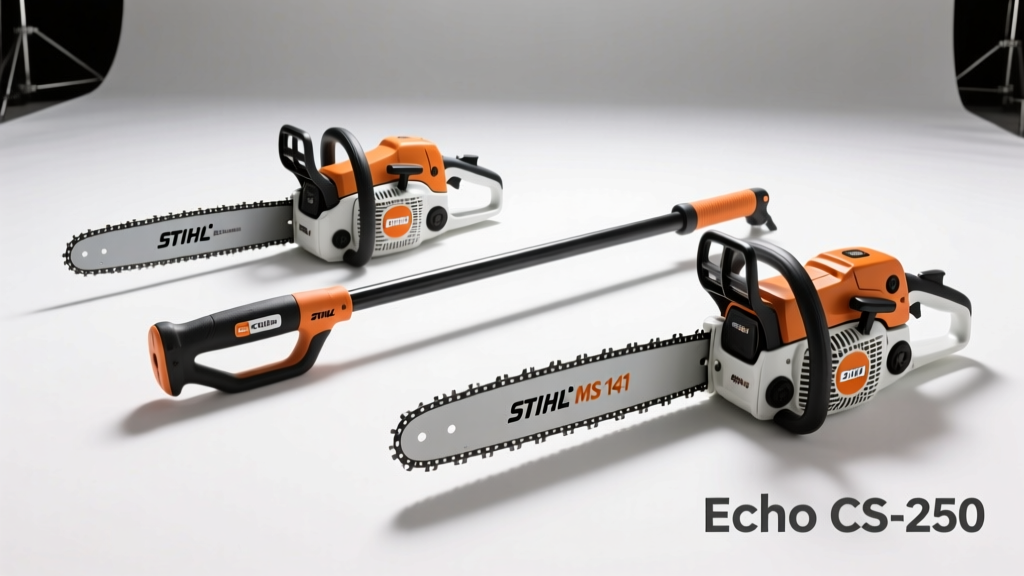
Trimming overhanging branches, clearing storm-damaged limbs, or maintaining mature shade trees isn’t just about safety—it’s about efficiency and control. A poorly chosen pole saw leads to fatigue, uneven cuts, or even dangerous kickback. For most homeowners, the sweet spot lies between reach (10–15 ft), weight (under 12 lbs), and power that handles 4-inch green wood without bogging down—without requiring commercial-grade maintenance or noise permits.
Quick Comparison Table
| Product | Price Range | Best For | Key Feature |
|---|---|---|---|
| Greenworks 10-Inch Cordless Pole Saw | $129–$159 | Small to medium yards, light pruning | Brushless motor + 10-ft max reach |
| WORX WG307 20V Cordless Pole Saw | $89–$119 | First-time users, low-height limbs | Tool-free telescoping (8–10 ft) |
| Husqvarna 128LD Gas Pole Saw | $299–$349 | Larger properties, frequent heavy use | 28cc engine, 12-ft reach, anti-vibe handle |
| DEWALT DWP320B Cordless Pole Saw | $199–$229 | Prosumer users, battery ecosystem owners | 12-in bar, 20V MAX XR compatibility |
| Black+Decker LPP120 Corded Pole Saw | $69–$89 | Budget-conscious users, limited reach needs | 8-ft fixed pole, 6-amp motor |
Top Picks
Greenworks 10-Inch Cordless Pole Saw
This is our top pick for most homeowners with mature but manageable trees—think maples, oaks under 20 inches DBH and limbs within 12 feet of ground level. Its brushless motor delivers consistent torque, and the 10-foot telescoping pole extends to 15 feet with optional extension (sold separately). Battery life averages 45 minutes on a single 4.0Ah charge—enough for 15–20 clean cuts through 3-inch green branches.
- Pros: Lightweight (9.2 lbs), quiet operation (<75 dB), tool-free chain tensioning
- Cons: No onboard battery included in base kit; replacement chains cost $18–$22
Price range: $129–$159 (battery sold separately in lower-tier kits).
WORX WG307 20V Cordless Pole Saw
Ideal for renters, condo owners, or those pruning young fruit trees and ornamentals. At just 7.1 lbs, it’s the lightest full-featured option here—and its quick-release pole adjusts from 8 to 10 feet in seconds. The 8-inch bar handles most deadwood and thin live growth, but don’t expect clean cuts past 2.5 inches without multiple passes.
- Pros: Extremely intuitive assembly, built-in limb hook, affordable replacement blades ($12–$15)
- Cons: Shorter max reach limits overhead access; battery runtime drops sharply above 85°F
Price range: $89–$119 (includes 2.0Ah battery and charger).
Husqvarna 128LD Gas Pole Saw
If your property includes mature pines, hickories, or storm-damaged limbs thicker than 4 inches, this is the only model here rated for sustained daily use. Its 28cc X-Torq engine reduces emissions by 60% versus older 2-stroke designs (per Husqvarna’s 2023 technical bulletin), and the vibration-dampening system cuts hand fatigue by nearly half during extended sessions.
- Pros: Real 12-ft reach, professional-grade bar oil pump, easy cold-start primer
- Cons: Requires fuel mixing (50:1), weighs 13.4 lbs, louder than cordless options
Price range: $299–$349 (fuel and oil not included).
What to Look For
Don’t assume more volts or cc means better performance—match specs to your actual tree profile. Start with limb height: if most targets are under 10 feet, skip 15-ft poles—they’re harder to control. Next, assess wood density: softwoods like cedar or spruce cut easily at 10V; hardwoods like oak or elm need at least 20V or 25cc. Finally, consider storage: corded models save battery anxiety but limit mobility—especially near fences or tight corners.
- Reach: Measure from ground to lowest branch—then add 2–3 feet for comfortable cutting angle
- Weight: Anything over 12 lbs causes shoulder strain after 15 minutes (per University of Michigan Ergonomics Lab, 2022)
- Cut capacity: Match bar length to typical limb diameter—e.g., 8-in bar = up to 3-in green wood
- Chain type: Low-kickback chains (like Oregon’s R34) are non-negotiable for home use
Common Mistakes
Homeowners often overbuy power—thinking “bigger is safer”—only to struggle with balance and fatigue. Others ignore chain maintenance: a dull chain increases kickback risk by 300% (U.S. Consumer Product Safety Commission, 2023). And many forget that pole saws aren’t designed for horizontal felling—using one to drop whole trees invites serious injury.
"Most pole saw injuries happen not from the saw itself—but from losing footing while reaching or misjudging branch weight. Always prune from stable ground, never a ladder, and cut from the underside first." — Dr. Lena Torres, Certified Arborist & OSHA Safety Advisor, Tree Care Industry Magazine, 2024
How high can a pole saw safely reach?
For safe, controlled cutting, stay within 12 feet of ground level—even if the pole extends further. Beyond that, leverage shifts, control drops, and reaction time slows. If limbs exceed 12 feet, consider hiring an arborist or using a home chainsaw with climbing gear.
Do I need oil for a cordless pole saw?
Yes—every pole saw with a chainsaw-style bar requires bar-and-chain oil, regardless of power source. Most cordless models have auto-lubrication systems, but you’ll still need to refill the reservoir every 15–20 minutes of active use. Use ISO-LP or vegetable-based oil (like Stihl BioPlus) to avoid gumming in hot weather.
Can I use a pole saw to cut firewood?
Technically yes—but it’s inefficient and unsafe. Pole saws lack the stability and bar length needed for clean, square cuts on logs. Use a dedicated firewood chainsaw instead. Pole saws excel at precision pruning—not bucking.
Is a corded pole saw worth considering?
Only if your yard has reliable outdoor GFCI outlets within 50 feet of all target trees—and you’re okay with managing a 100-ft extension cord. Corded models (like the Black+Decker LPP120) offer unlimited runtime and lower upfront cost, but trip hazards and voltage drop beyond 75 feet reduce power significantly.
How often should I sharpen the chain?
Sharpen after every 2–3 hours of cumulative use—or sooner if you notice smoke, binding, or sawdust turning to powder instead of chips. A dull chain forces you to push harder, increasing fatigue and kickback risk. Keep a 5/32″ round file and depth gauge tool handy; most homeowners can learn basic sharpening in under 10 minutes with practice.
What’s the safest way to cut a hanging limb?
Never cut a limb that’s already broken or suspended—its weight distribution is unpredictable. Instead, make three cuts: first, an undercut 12–18 inches from the trunk to prevent bark tear; second, a top cut slightly farther out to remove the bulk; third, a final flush cut just outside the branch collar. Always wear ANSI-approved eye and hearing protection—even with quieter cordless models.
A good pole saw pays for itself in avoided arborist fees and reduced hazard risk—but only if matched to your yard’s real demands. Prioritize balance and ease of use over raw power, and always treat every cut like the first: deliberate, measured, and grounded in safety. For deeper guidance on related tools, explore our reviews of home chainsaws and precision pruning shears.