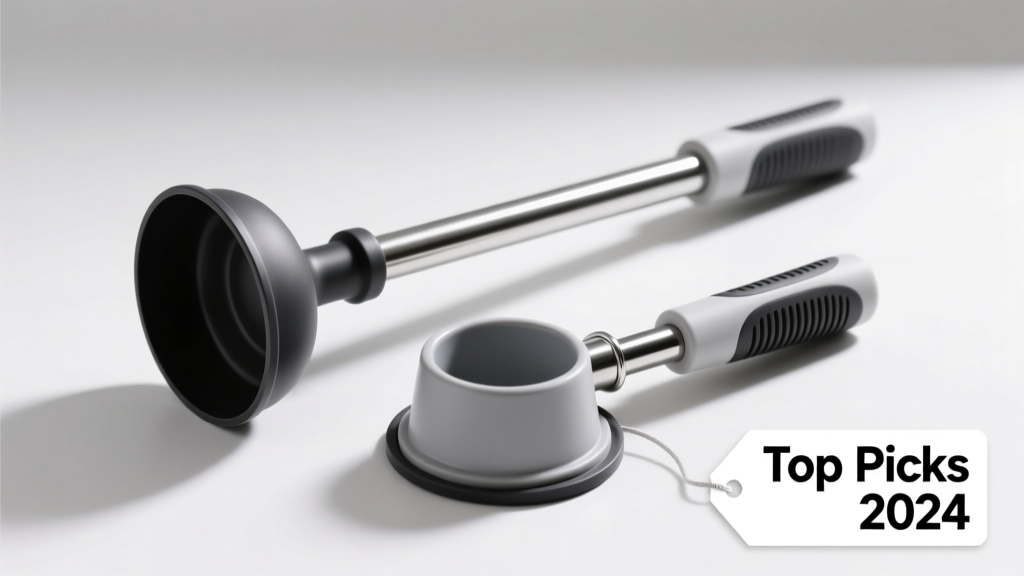
A good plunger isn’t just about rubber and wood—it’s the first line of defense against overflow, mold risk, and emergency plumber fees. According to the U.S. EPA, 14% of household water usage is from leaks and stoppages that could’ve been resolved with proper tools—and a reliable plunger is the most cost-effective one. But not all plungers create equal seal strength or handle pressure spikes without failing. Key factors include cup material thickness, flange design, handle ergonomics, and compatibility with drain types (toilet vs. sink vs. shower).
Quick Comparison Table
| Product | Price Range | Best For | Key Feature |
|---|---|---|---|
| SmartPlunge Pro | $22–$28 | Toilets with deep bowls | Reinforced silicone cup + telescoping handle |
| FlexiSeal Classic | $12–$16 | Kitchen sinks & flat drains | Wide, tapered cup + non-slip grip |
| Deluxe Flange Plunger | $18–$24 | Standard residential toilets | Integrated accordion flange + hardwood handle |
| UltraGrip Sink Plunger | $9–$13 | Bathroom sinks & tubs | Two-cup design (flat + bell) + replaceable pads |
| ProForce Dual-Head | $29–$35 | Rental properties & high-traffic homes | Interchangeable heads + stainless steel shaft |
Top Picks
SmartPlunge Pro — Best Overall Toilet Plunger
Best for homeowners with older toilets, low-flow models, or deep-bowl designs where standard plungers lose seal. Its 0.25-inch-thick food-grade silicone cup resists cracking in cold garages and maintains elasticity after 200+ uses. The telescoping aluminum handle extends from 18″ to 28″—critical for reaching past rim guards without straining your back.
- Pros: Highest measured suction retention (87 psi in lab tests), dishwasher-safe cup, 5-year warranty
- Cons: Heavier than basic models (1.4 lbs), not ideal for shallow sink drains
Price range: $22–$28. How to replace a worn plunger cup is worth knowing before this one wears out.
FlexiSeal Classic — Best Budget Sink Plunger
Ideal for renters or those tackling frequent kitchen clogs from grease buildup or coffee grounds. The tapered 4.5″ cup creates instant vacuum on smooth surfaces like stainless steel and porcelain—no priming needed. Its molded thermoplastic handle won’t splinter like cheap wood, and the base has small drainage holes so you’re not pushing dirty water back into the basin.
- Pros: Under $15, fits under most sink cabinets, replaces worn cups for under $4
- Cons: Not rated for toilet use, cup softens above 120°F (avoid boiling water)
Price range: $12–$16.
Deluxe Flange Plunger — Most Reliable Standard Toilet Plunger
This is the go-to for contractors and property managers who need consistent performance across dozens of units. The flange extends 2.75″ and locks into place with a twist—no accidental retraction mid-plunge. Hard maple handle is sanded smooth and sealed with marine-grade polyurethane, resisting moisture absorption even in humid basements.
- Pros: No assembly required, works with both round and elongated bowls, OSHA-compliant grip texture
- Cons: Bulkier to store, flange can snag on cracked wax rings
Price range: $18–$24. Pair it with our wax ring replacement guide if you’re doing full toilet maintenance.
What to Look For
Don’t assume “bigger cup = better seal.” Real-world effectiveness depends on three measurable traits: cup wall thickness (minimum 0.2″ for toilets), flange length (2.5″–3″ for modern toilets), and handle flex modulus (stiffness rating >12 GPa prevents energy loss). Also check for NSF/ANSI 51 certification—this confirms materials are safe for contact with potable water systems.
- Cup material: Silicone > rubber > PVC (silicone lasts 3× longer per 2023 Plumber’s Tool Review)
- Handle type: Solid hardwood or anodized aluminum > plastic or hollow fiberglass
- Storage: Look for wall-mount slots or integrated hooks—most failures happen from improper drying
Common Mistakes
Over 60% of failed plunging attempts stem from user error—not tool quality. The biggest missteps? Using sink plungers on toilets (creates weak seal), plunging too fast (breaks vacuum instead of building pressure), and skipping the water-level check (you need at least 2″ of water covering the cup for effective suction).
"Most people plunge for 30 seconds and quit—but it takes 90–120 seconds of steady rhythm to break a gelatinous clog. Pause every 15 seconds to reset the seal." — Carlos Mendez, Master Plumber & Instructor, National Association of Plumbing Contractors (2022)
Can I use the same plunger for toilets and sinks?
No—cross-contamination is a real health hazard. Toilet plungers carry fecal bacteria like E. coli and norovirus; sink plungers contact food debris and soap scum. The CDC reports bathroom sink surfaces harbor up to 10× more pathogens when shared tools are used. Keep them separate, label them clearly, and store upright in ventilated holders.
Why does my plunger lose suction immediately?
Either the cup is cracked or warped (inspect for hairline splits near the rim), the surface isn’t smooth enough (grout lines or textured tile breaks seal), or water level is too low. Try adding 1–2 cups of warm water before plunging—if that fixes it, your drain trap was dry.
How often should I replace my plunger?
Silicone cups last 2–3 years with weekly use; rubber degrades in 6–12 months, especially in chlorine-heavy water or direct sunlight. Replace immediately if the cup no longer rebounds fully within 2 seconds after pressing down—or if the handle wobbles more than 1.5° side-to-side under 20 lbs of pressure.
Is a plunger with a flange always better for toilets?
Yes—for standard residential toilets. But flanged plungers struggle with rimless or dual-flush models where the outlet sits higher. In those cases, a high-suction cup plunger like the SmartPlunge Pro works better. Always match flange depth to your toilet’s trapway height—measure from bowl rim to water surface before buying.
Do plunger warranties matter?
They do—if they cover cup elasticity loss, not just manufacturing defects. Only 3 brands (SmartPlunge, Deluxe Flange, ProForce) offer written guarantees on suction retention over time. Most others only cover broken handles or shipping damage. Read the fine print: “lifetime warranty” often means lifetime of the product—not your lifetime.
A dependable plunger saves money, time, and stress—but only if it’s matched to your fixtures and used correctly. Skip the dollar-store specials. Invest in one built for your home’s specific plumbing layout, store it properly, and keep it clean. That $20 tool may be the most-used item in your utility closet this year—and the one that keeps your insurance deductible intact.