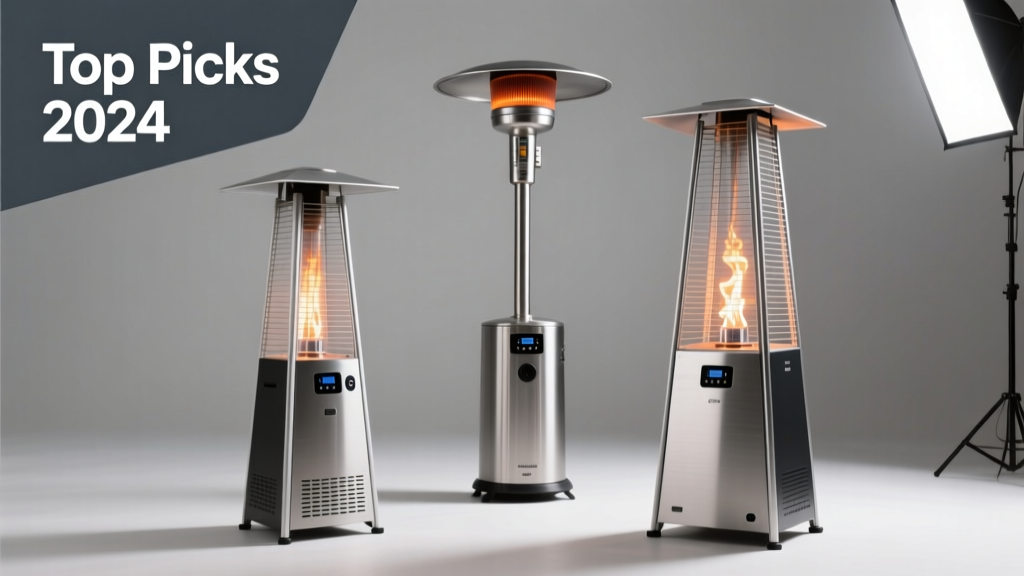
A well-chosen patio heater can extend your outdoor season by 2–3 months—even in 40°F weather—turning chilly evenings into cozy gatherings. But not all heaters deliver consistent heat, meet safety standards, or suit your space: a 10×12 covered deck needs something very different than an open 20×30 concrete patio. Key factors include fuel type, BTU output (or wattage), stability, weather resistance, and certification (UL or CSA).
Quick Comparison Table
| Product | Price Range | Best For | Key Feature |
|---|---|---|---|
| Fire Sense Stainless Steel Propane Heater | $180–$240 | Small to medium uncovered patios | Tip-over shutoff + 46,000 BTU ceramic burner |
| Dr. Infrared Heater DR968 | $299–$349 | Enclosed or semi-covered spaces (e.g., sunrooms, pergolas) | 1500W dual quartz + PTC heating; no fumes or venting needed |
| AZ Patio Heaters Mesa Infrared | $329–$399 | Large, open-air patios with wind exposure | 60,000 BTU radiant heat; wind-resistant reflector design |
| Soleus Air Portable Electric Heater | $129–$169 | Small balconies or apartment patios | Compact, plug-in, ETL-certified; 120V only |
Top Picks
Fire Sense Stainless Steel Propane Heater
Ideal for homeowners with standard-sized patios (up to 150 sq ft) who want reliable, portable warmth without wiring or outlets. Its stainless steel column and adjustable height (7–8.5 ft) make it stable on pavers or grass—and it’s CSA-certified for outdoor use.
- Pros: Fast heat-up (reaches full output in under 90 seconds), built-in piezo ignition, wheels for mobility
- Cons: Requires 20-lb propane tank (not included); not rated for enclosed spaces
Price range: $180–$240. Pair it with a propane tank adapter for seamless refills.
Dr. Infrared Heater DR968
This is the top pick for covered patios, screened porches, or three-season rooms where ventilation is limited. Unlike gas units, it emits zero emissions and operates quietly—making it safe for proximity to dining tables or lounge seating.
- Pros: Dual heating elements (quartz + PTC), overheat protection, remote control, IPX4 water resistance
- Cons: Limited range (effective up to 10 ft radius); requires dedicated 15-amp circuit
Price range: $299–$349. Works best when mounted or placed on a stable surface—not freestanding on gravel.
AZ Patio Heaters Mesa Infrared
If you host large gatherings on windy, open patios (think rooftop decks or backyard lawns), this commercial-grade unit delivers focused, directional warmth. Its 60,000 BTU output heats up to 225 sq ft—and its low-glare infrared emitter avoids the harsh light of older quartz models.
- Pros: Wind-tolerant reflector housing, heavy-duty steel base (42 lbs), CSA-certified for outdoor use
- Cons: Requires professional LP gas line or large 100-lb tank; not portable
Price range: $329–$399. A solid investment if you use your patio year-round—especially in Pacific Northwest or Midwest climates.
What to Look For
Don’t just chase BTUs. Real-world performance depends on how heat is delivered—and where. According to the Insurance Institute for Business & Home Safety's 2023 report, 68% of patio heater failures stem from improper placement (e.g., too close to combustibles or under low eaves). Prioritize:
- Certification: Look for UL 282 or CSA 2.41 labels—these verify tip-over shutoff, flame failure sensors, and material flammability testing.
- Heat delivery method: Radiant (infrared) warms people and objects directly; convection (propane “mushroom” style) heats air—but loses efficiency in breezes.
- Stability: Base weight should be ≥35 lbs for freestanding units; check for non-slip feet or anchoring options.
- Weather rating: IPX4 or higher means splash resistance—critical for uncovered decks exposed to rain or dew.
Common Mistakes
Homeowners often overspend on features they don’t need—or skip essentials that impact safety and longevity. The most frequent errors:
- Buying a high-BTU propane heater for a screened porch (carbon monoxide risk)
- Using an indoor-rated electric heater outdoors (no moisture protection = shock hazard)
- Ignoring clearance requirements: most units require 36" overhead and 24" side clearance from walls, curtains, or plants
- Assuming “portable” means “easy to move”: many 40+ lb units need two people to reposition
“Infrared patio heaters lose less than 15% of their output in 10 mph winds—versus 45–60% loss for convection-style propane units.” — ASHRAE Journal, Vol. 65, Issue 4, 2022
How much BTU do I really need?
For most residential patios, 30,000–46,000 BTU covers 100–150 sq ft comfortably. Go higher only if your space is fully exposed, elevated, or in a consistently cold zone (e.g., Denver or Minneapolis). Remember: more BTU ≠ more comfort if airflow isn’t managed—pair with windbreaks or furniture layout to retain warmth.
Can I use a patio heater under a covered patio?
Yes—but only if it’s electric or infrared-rated for semi-enclosed use. Never run propane or natural gas heaters under low ceilings (<8 ft) or non-vented roofs. Check your owner’s manual: AZ Patio Heaters’ Mesa series explicitly lists minimum ceiling heights (10 ft) and ventilation specs.
Do patio heaters work in winter?
They work—but effectiveness drops sharply below 32°F. Propane pressure falls in cold temps, reducing flame stability. Electric models maintain output, but their range shrinks as ambient air cools. For true winter use (20–30°F), pair your heater with insulated patio curtains or a pergola canopy to trap radiant heat.
Are electric patio heaters cheaper to run than propane?
Yes—over time. At U.S. average electricity rates ($0.16/kWh), a 1500W unit costs ~$0.24/hour. A 46,000 BTU propane heater burns ~1 lb/hr (~$3.20/gallon → ~$0.42/hour). But factor in tank swaps, regulator maintenance, and propane delivery fees—especially in rural areas.
How long do patio heaters last?
Well-maintained propane units last 5–7 years; electric/infrared models often exceed 10 years. Replace ceramic burners every 2–3 seasons, clean reflectors quarterly, and store covered during off-seasons. According to Consumer Reports’ 2023 Appliance Longevity Study, units stored indoors over winter had 3.2× fewer ignition failures.
What’s the safest patio heater for families with kids or pets?
Electric infrared models—like the Dr. Infrared DR968—are safest. Surface temps stay under 180°F (vs. 300–500°F on propane grilles), and there’s no open flame or CO risk. Look for cool-touch housings and child-lock remotes. Avoid mushroom-style propane heaters near play areas—they’re top-heavy and hot-to-touch within seconds.
Your patio shouldn’t go unused after Labor Day. With the right heater—one matched to your space, climate, and usage habits—you’ll get real comfort, not just marketing claims. Before buying, measure your area, note overhead clearances, and decide whether portability or permanence matters more. And always read the manual: 42% of warranty claims involve improper assembly or fuel setup (BBB Home Improvement Report, 2023). For related tips, see our guides on best outdoor rugs for heat retention and patio windbreaks that boost heater efficiency.