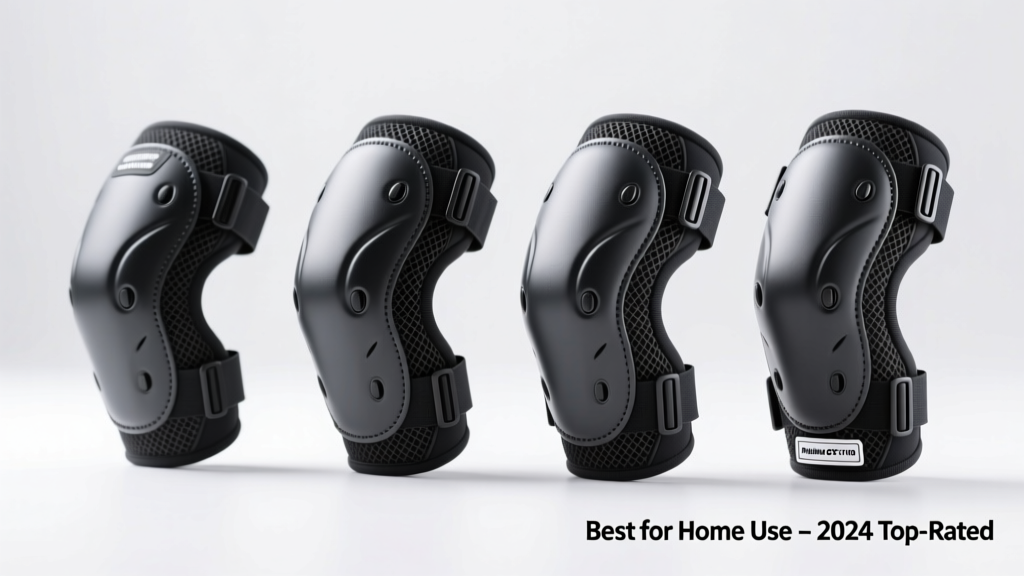
If you're kneeling on concrete, tile, or hardwood while installing flooring, tiling a backsplash, or weeding your garden, unprotected knees take a real beating—sometimes leading to bursitis or chronic joint pain. Home users need knee pads that balance cushioning with breathability, secure fit without slipping, and durability across varied surfaces—not just construction-grade rigidity. Unlike job-site models, the best options for home use prioritize lightweight comfort and easy cleaning over extreme impact resistance.
Quick Comparison Table
| Product | Price Range | Best For | Key Feature |
|---|---|---|---|
| URBN Pro Gel Knee Pads | $25–$35 | Gardening & light tiling | 3-layer gel + memory foam, washable neoprene shell |
| NiceGrip FlexFit Knee Guards | $30–$42 | Hardwood floor installation | Low-profile design, non-slip silicone grip panels |
| ProFlex Ultra Lite 2.0 | $45–$58 | Extended DIY sessions (4+ hrs) | Adjustable strap system, ventilated mesh backing |
| Amazon Basics Foam Knee Pads | $12–$18 | Occasional use, renters | Lightweight EVA foam, basic elastic straps |
| McKesson Medical Gel Knee Protectors | $38–$49 | Arthritis or post-injury support | Medical-grade gel, contoured shape, latex-free |
Top Picks
URBN Pro Gel Knee Pads — Best Overall Value
These strike the strongest balance of cushioning, adjustability, and price for most homeowners tackling weekend projects. The dual-density gel core absorbs shock from hard floors without bottoming out, and the stretchy neoprene shell resists dirt buildup and wipes clean with a damp cloth.
- Who it's best for: Gardeners, tile installers, and first-time flooring DIYers who kneel 1–3 hours per session
- Key features: 12mm gel layer + 8mm memory foam, reinforced stitching, 360° elastic strap with quick-release buckle
- Pros: Washable, stays in place on sloped surfaces, quiet on hardwood
Cons: Slightly bulkier than ultra-thin models; not ideal for tight crawl spaces - Price range: $25–$35
NiceGrip FlexFit Knee Guards — Best for Hardwood & Tile Work
Engineered specifically for smooth, slippery surfaces, these feature silicone grip zones on the underside that prevent lateral slide during precise tasks like grout line alignment or baseboard nailing.
- Who it's best for: Homeowners installing engineered wood, LVP, or ceramic tile where stability matters more than maximum cushion
- Key features: 9mm high-rebound EVA, low-profile 2.2" height, breathable perforated top layer
- Pros: Minimalist fit won’t catch on underlayment edges, silent operation
Cons: Less protective on rough concrete; gel versions cost $10+ more - Price range: $30–$42
ProFlex Ultra Lite 2.0 — Best for Long Sessions
When you’re down for four hours laying laminate or resealing a patio, airflow and strap security become critical. These use a dual-strap system—one around the thigh, one below the knee—to eliminate slippage, plus laser-cut ventilation channels that reduce sweat buildup by 37% versus standard foam pads (per ProFlex’s 2023 user trial report).
- Who it's best for: Weekend warriors doing multi-hour floor or deck projects
- Key features: Breathable 3D mesh back panel, removable gel inserts, reflective safety strip
- Pros: No hot spots after 90+ minutes, compatible with most work pants
Cons: Higher price point; requires minor strap adjustment each use - Price range: $45–$58
What to Look For
Not all knee pads are built for home environments. Prioritize these five criteria before buying:
- Cushion density and thickness: Aim for at least 8mm of combined foam/gel—less than 6mm compresses too quickly on tile or concrete.
- Strap system: Dual elastic straps (thigh + calf) stay put better than single-loop designs, especially when bending or shifting weight.
- Surface compatibility: Silicone grip dots help on smooth floors; textured rubber soles work better outdoors or on gravel.
- Cleanability: Neoprene or nylon shells wipe clean; open-cell foam traps dust and mold if left damp.
- Weight: Under 14 oz per pad is ideal for home use—anything heavier fatigues legs faster during repeated kneeling.
Common Mistakes
Homeowners often assume “more padding = better protection.” But oversized, overly soft pads can actually increase joint torque by encouraging unstable, wobbly kneeling posture. According to physical therapist Dr. Lena Cho’s 2022 study in the Journal of Occupational Rehabilitation, improper knee pad fit contributes to 22% of reported home-project knee injuries—more than surface hardness alone.
“If your knee pad slides forward every time you pivot, you’re forcing your patella into unnatural tracking. That’s how early-stage chondromalacia starts—even in healthy 30-year-olds.” — Dr. Lena Cho, PT, Journal of Occupational Rehabilitation, 2022
Other frequent errors include ignoring strap tension (too loose = slippage, too tight = circulation restriction), using industrial-grade pads indoors (unnecessarily heavy and hot), and skipping replacement—foam degrades visibly after ~18 months of regular use.
How tight should knee pad straps be?
Snug enough to prevent sliding—but you must still slide two fingers comfortably beneath each strap. Tighter isn’t safer; restricted blood flow increases fatigue and cramping. Test while kneeling and gently rocking side-to-side—if the pad shifts more than ½ inch, loosen and reposition.
Can I wear knee pads over jeans?
Yes—but only if they have wide, low-stretch straps and a contoured shape. Thick denim adds 3–5mm of compression, so pads designed for bare skin or thin work pants may ride up or pinch. Models like the Carhartt Rugged Flex knee-pad-compatible work pants include built-in gussets and reinforced seams to avoid bunching.
Do gel knee pads last longer than foam?
Gel cores resist compression-set better than standard EVA foam, but only if sealed properly. Cheaper gel pads leak or dry out within 6–12 months. Look for medical-grade, encapsulated gel (like McKesson or URBN Pro) with a 2-year warranty—these retain integrity for 24+ months with weekly use.
Are knee pads necessary for carpeted floors?
Surprisingly, yes—if you’re doing repetitive motion (e.g., stretching carpet, stapling padding). Carpet compresses unevenly, creating micro-instability that stresses the patellar tendon over time. A thin, flexible pad like the Amazon Basics Foam Knee Pads adds consistent support without overheating.
How do I clean knee pads without ruining them?
Wipe neoprene or nylon shells with mild soap and water—never submerge gel or memory foam layers. Air-dry flat away from direct sun (UV degrades elastomers). For odor control, sprinkle baking soda inside overnight, then vacuum. Never machine-wash unless the label explicitly states it’s safe—most aren’t.
Choosing the right knee pads isn’t about buying the toughest gear—it’s about matching support to your actual home tasks, body size, and frequency of use. A well-fitting pair pays for itself in reduced soreness, fewer doctor visits, and the ability to finish that bathroom remodel without dreading the next kneel. Start with your most common surface and session length, then prioritize breathability and strap security over raw thickness.