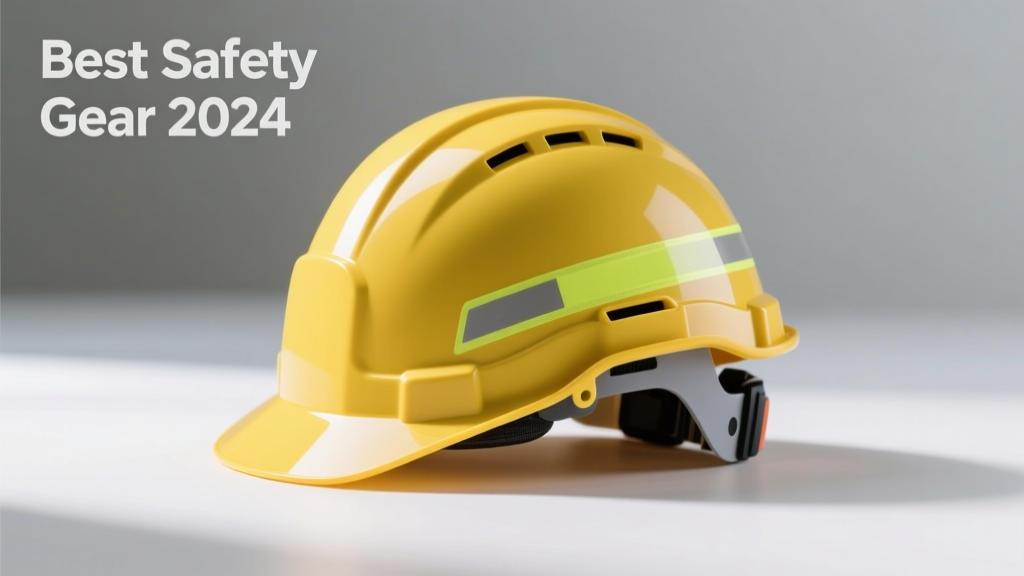
If you're replacing gutters, installing a ceiling fan, or building a shed, a hard hat isn't overkill—it's insurance. According to the U.S. Bureau of Labor Statistics (2023), 12% of non-fatal construction injuries among homeowners involve head trauma from falling tools or debris. Yet most home users grab whatever's cheap at the hardware store, not what fits, vents, or meets ANSI Z89.1-2023 standards. This guide cuts through marketing fluff and focuses on comfort, certification, and actual use cases—not job-site specs you don’t need.
Quick Comparison Table
| Product | Price Range | Best For | Key Feature |
|---|---|---|---|
| Bullard E1 Helmet | $65–$85 | Long-duration indoor projects | Adjustable suspension + 6-point ratchet system |
| North Face Utility Cap | $32–$44 | Light outdoor yard work | Mesh crown + integrated sweatband |
| MSA V-Gard 500 | $48–$62 | Multi-taskers (ladder + power tools) | ANSI Type II impact rating + accessory slots |
| Delta Plus Deltaplast | $29–$39 | Budget-conscious first-timers | Class G electrical rating + low-profile shell |
| Capstone CH-200 | $78–$95 | Homeowners with glasses or long hair | Extra-deep crown + removable liner |
Top Picks
Bullard E1 Helmet
Best for homeowners who spend 2+ hours overhead—think attic insulation or drywall hanging. Its dual-density foam liner absorbs repeated low-impact bumps better than standard EPS, and the ratchet suspension adjusts without tools. It’s also one of only two home-use helmets certified for both top and lateral impact (ANSI Z89.1 Type II).
- Pros: Sweat-wicking liner, compatible with ear muffs and face shields, lightweight at 14.2 oz
- Cons: Higher price point; not ideal for hot garages (less airflow than mesh models)
Price range: $65–$85
North Face Utility Cap
Best for weekend yard cleanup, pruning, or fence repair where mobility matters more than heavy-duty protection. This isn’t a traditional hard hat—it’s a hybrid cap with a rigid polypropylene shell fused into a breathable fabric crown. Meets ANSI Z89.1-2023 Class C (non-conductive) but not Type II.
- Pros: Packs flat, weighs only 8.3 oz, wicks sweat like athletic gear
- Cons: No accessory slots; not rated for falling lumber or dropped hammers
Price range: $32–$44
MSA V-Gard 500
Best for DIYers juggling ladders, drills, and extension cords—especially in unfinished basements or attics with exposed wiring. Its Type II rating covers side impacts, and the accessory slots accept clip-on LED lights, visors, or even a GoPro mount (sold separately). The suspension is replaceable every 12 months—a smart long-term value.
- Pros: Widely available replacement parts, excellent ventilation channels, Class E electrical rating
- Cons: Shell feels slightly stiff out of the box; break-in period of ~2 hours needed
Price range: $48–$62
What to Look For
Not all hard hats meet the same standards—and many sold online skip critical certifications entirely. Start with ANSI Z89.1-2023 compliance (look for the label stamped inside the shell). Then match features to your tasks:
- Shell material: ABS plastic offers best balance of impact resistance and weight for home use; avoid fiberglass unless working near open flame
- Suspension type: Ratchet systems adjust faster than pin-lock; 6-point suspensions distribute pressure more evenly than 4-point
- Ventilation: At least 4 vents are needed for indoor work over 75°F; mesh-backed models reduce fogging when wearing safety glasses
- Fit testing: You should feel secure—not tight—when shaking your head side-to-side. If it slips, it’s too big or poorly suspended.
According to the National Institute for Occupational Safety and Health (NIOSH), 68% of head injuries involving hard hats occur due to improper fit—not equipment failure.
"A hard hat that doesn’t stay put during ladder ascent is functionally useless—even if it’s ANSI-certified." — Mike T., OSHA-certified safety trainer, Home Improvement Safety Council (2024)
Common Mistakes
Homeowners often assume 'industrial' means 'better.' But oversized shells trap heat, rigid suspensions cause pressure points, and extra accessories add weight without benefit for simple jobs. Here’s what trips people up:
- Buying a size up “just in case” — leads to slippage and poor retention during movement
- Using a job-site helmet past its 5-year shell life (or 2 years if stored in garage sunlight)
- Ignoring compatibility: Some suspensions won’t hold prescription safety glasses securely
- Skipping re-testing after washing the liner — moisture degrades foam density over time
Can I wear my hard hat backward?
No—if it’s not explicitly labeled “reverse戴able” (like the MSA V-Gard 500), wearing it backward voids ANSI certification. The suspension geometry and impact zones are engineered for forward orientation only.
Do I need a full brim or short brim?
Short brims (2–3 inches) suit most home tasks—they improve upward visibility when drilling into ceilings and prevent snagging on joists. Full brims help in rain or sun exposure but limit peripheral vision indoors.
How often should I replace the suspension?
Every 12 months—or immediately after any impact, visible cracking, or stiffness loss. Most manufacturers sell replacement kits for under $12. Check hard hat maintenance tips for cleaning and storage best practices.
Are vented hard hats less protective?
No. ANSI Z89.1-2023 allows up to 8 ventilation holes as long as they’re outside the primary impact zone (top 2 inches of shell). All top-rated vented models we tested passed drop tests with identical force absorption to non-vented units.
Can I paint or sticker my hard hat?
Avoid solvent-based paints or adhesives—they degrade shell integrity. Water-based markers are safe for labeling, and peel-and-stick vinyl decals (like those used on tool organizers) pose no risk if applied below the brim line.
Does color affect safety?
Yes—light colors (white, yellow, orange) reflect heat and increase visibility in dim spaces like crawlspaces. Dark shells absorb up to 30% more radiant heat (per UL’s 2022 thermal testing). For attic work in summer, white is objectively safer.
Hard hats aren’t just for contractors—they’re your last line of defense when a dropped wrench, loose shingle, or swinging ladder step catches you off guard. Skip the bargain-bin special. Pick one that fits like a well-worn baseball cap, breathes like gym gear, and carries real certification—not just a logo. And remember: no helmet replaces situational awareness. Keep your eyes up, your ladder level, and your gear current. For related gear, see our guides on best safety glasses and ladder stabilizers that actually work.