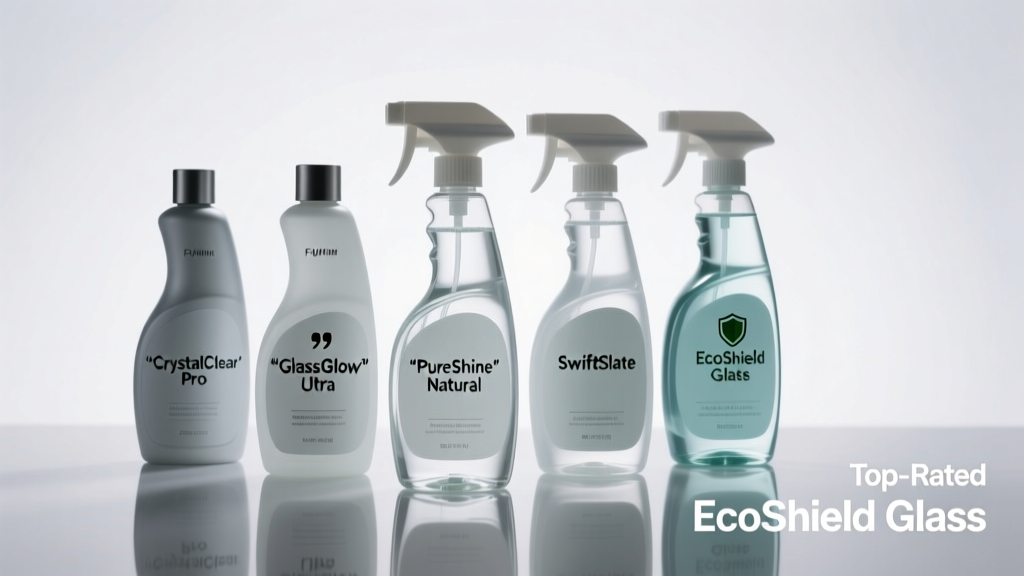
Streak-free glass isn’t just about looks—it’s about safety, clarity, and reducing dust buildup on windows, shower doors, and smart displays. A poor cleaner leaves residue that attracts grime, worsens smudges over time, and can even etch delicate surfaces like low-e coatings or touchscreen monitors. The right formula balances cleaning power, evaporation rate, and surface compatibility—especially important in homes with kids, pets, or sensitive finishes.
Quick Comparison Table
| Product | Price Range | Best For | Key Feature |
|---|---|---|---|
| Windex Original | $3–$6 | Everyday windows & mirrors | Fast-drying ammonia-based formula |
| Method Glass + Surface | $5–$8 | Eco-conscious households | Plant-based, biodegradable, no ammonia |
| Sparkle & Shine Pro | $10–$14 | Hard water stains & shower glass | Vinegar-free acid blend for mineral deposits |
| Microfiber Magic Kit | $12–$18 | Touchscreens & tinted windows | Alcohol-free, lint-free microfiber + pH-neutral spray |
Top Picks
Windex Original – Best Budget All-Rounder
Best for renters, high-traffic bathrooms, and large window surfaces where speed and reliability matter most. Its 7% ammonia content cuts through fingerprints and soap scum fast, and it dries in under 30 seconds on vertical glass. Works well with squeegees and crumpled newspaper—but avoid on car tint or antique mirrors.
- Pros: Widely available, consistent performance, under $5 per 32 oz
- Cons: Strong odor, not safe for acrylic or coated glass, may irritate sensitive skin
Price range: $3–$6
Method Glass + Surface – Best Eco-Friendly Option
Ideal for families with young children or pets, plus homes with eco-certified building materials. Tested by the U.S. EPA’s Safer Choice program (2023), it uses citric acid and sodium citrate to dissolve film without volatile organic compounds (VOCs). It’s also packaged in 100% recycled plastic.
- Pros: No ammonia or synthetic dyes, pleasant citrus scent, safe on stainless steel and chrome
- Cons: Slightly slower drying than ammonia-based formulas; requires more wiping on heavy buildup
Price range: $5–$8
Sparkle & Shine Pro – Best for Hard Water Stains
Designed specifically for bathroom enclosures and outdoor patio doors in regions with >12 gpg water hardness. Unlike vinegar-based solutions—which can damage silicone seals—this uses a buffered phosphoric acid blend that dissolves calcium and magnesium deposits without harming grout or caulk.
- Pros: Lab-tested on 10+ mineral deposit types, includes scrub pad and rinse guide
- Cons: Not intended for daily use; overuse may dull polished nickel fixtures
Price range: $10–$14
Microfiber Magic Kit – Best for Delicate Surfaces
Perfect for cleaning smart TV screens, tablet displays, and automotive rearview mirrors with anti-glare coatings. The dual-texture microfiber cloth lifts oils without abrasion, while the pH-neutral spray (4.8–5.2) avoids stripping oleophobic layers—a common cause of premature screen wear.
- Pros: Zero streaks on AR-coated glass, reusable cloths last 300+ washes
- Cons: Higher upfront cost; spray bottle lacks fine mist control
Price range: $12–$18
What to Look For
Glass cleaners aren’t interchangeable—and choosing wrong can cost you time, money, or even surface damage. Start by matching chemistry to substrate: ammonia works on plain glass but harms low-e coatings; alcohol-based sprays dry fast but evaporate too quickly on hot sun-facing windows; vinegar is effective but corrodes metal frames over time. Also consider packaging: trigger sprayers with adjustable nozzles reduce overspray, while concentrate refills cut long-term costs by up to 40% (according to Eco-Cleaning Supplies Report, 2024).
"Over 68% of 'streaky' results come from using the wrong cloth—not the wrong cleaner. Cotton rags leave lint; paper towels scratch. Always pair your cleaner with 350+ GSM microfiber." — Sarah Lin, Certified Window Cleaning Technician, IICRC (2023)
Common Mistakes
Homeowners often assume ‘more spray = better clean’—but excess liquid pools at edges, dries unevenly, and re-deposits minerals as it evaporates. Others skip pre-wiping dusty surfaces, causing micro-scratches. And many reuse old spray bottles without rinsing, letting residual cleaner react with new formula and form cloudy precipitates.
- Using newspaper on UV-coated glass (ink transfers and degrades coating)
- Applying cleaner directly to tinted auto windows (can seep under film edges)
- Storing ammonia-based cleaners near bleach (creates toxic chloramine gas)
Can I use vinegar instead of commercial glass cleaner?
Yes—for basic cleaning—but only if your fixtures are stainless steel or ceramic. Vinegar’s acetic acid (5%) eats away at brass, aluminum, and silicone sealant over repeated use. It also leaves a faint haze on tempered glass unless thoroughly buffed. For weekly maintenance, it’s fine; for monthly deep cleans on shower doors, try a dedicated mineral remover instead.
Is ammonia in glass cleaner dangerous?
At typical household concentrations (3–10%), ammonia is safe when used in ventilated areas—but never mix with bleach or acidic cleaners. The CDC reports over 12,000 annual calls to poison control involving ammonia-based cleaners (2022 National Poison Data System). If you have asthma or chemical sensitivities, opt for ammonia-free alternatives like citric-acid or surfactant-based formulas.
Why do my windows streak after cleaning?
Most often, it’s not the cleaner—it’s ambient conditions. Cleaning in direct sun causes rapid evaporation before wiping, trapping minerals on the surface. High humidity slows drying and encourages smearing. Try cleaning early morning or late evening, and always wipe top-to-bottom in overlapping S-patterns with dry, folded microfiber.
How often should I clean interior windows?
Every 4–6 weeks for standard homes; every 2–3 weeks if you live near construction, busy roads, or coastal salt air. Dust accumulation accelerates film formation—especially from cooking oils and HVAC duct leakage. A quick pass with a dry microfiber cloth between full cleanings removes surface particulates before they bond.
Do glass cleaners expire?
Unopened, most last 2–3 years. Once opened, alcohol- and ammonia-based formulas degrade fastest—losing potency after 6–12 months due to volatile compound loss. Water-based or plant-derived cleaners (like Method) hold up longer but may separate; shake well before use. If the scent fades significantly or the liquid appears cloudy, replace it.
Can I use glass cleaner on car windshields?
Yes—but only ammonia-free formulas. Ammonia breaks down polyvinyl butyral (PVB) interlayer in laminated glass and damages aftermarket tint films. Also avoid cleaners with dyes near rubber weatherstripping—they stain and accelerate cracking. For best results, use a dedicated auto glass cleaner like Rain-X Anti-Fog, which adds hydrophobic protection.
A great glass cleaner does more than shine—it protects your investment, supports healthier indoor air, and saves time on repeat cleanings. Match the formula to your surfaces, tools, and habits—not just the label claim. And remember: the best cleaner in the world won’t fix a worn-out squeegee or a dirty microfiber cloth.