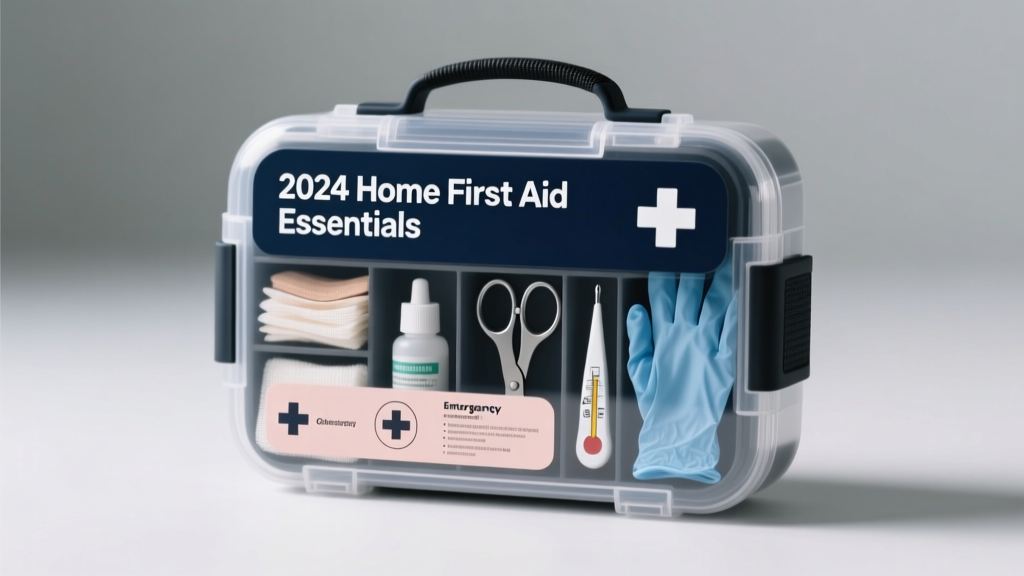
A well-stocked first aid kit isn’t just for emergencies—it’s daily peace of mind. Whether it’s a toddler’s scraped knee, a kitchen cut, or a weekend DIY mishap, having the right supplies within reach cuts response time and reduces infection risk. According to the American Red Cross, 82% of minor household injuries are treated at home—but nearly half of home kits lack critical items like sterile gauze or antibiotic ointment (Red Cross Home Safety Survey, 2023).
Quick Comparison Table
| Product | Price Range | Best For | Key Feature |
|---|---|---|---|
| Adventure Medical Kits Mountain Series | $45–$65 | Families with kids & pets | Color-coded trauma trays + pediatric-specific supplies |
| Johnson & Johnson All-Purpose Kit | $18–$24 | Renters or small apartments | Compact, wall-mountable design with FDA-cleared basics |
| St. John Ambulance Premium Home Kit | $79–$95 | Multi-generational households | Includes CPR face shield, thermal blanket, and bilingual instructions |
| First Aid Only Industrial Lite | $32–$40 | Home workshops & garages | Heavy-duty case + 20+ adhesive wound closures & burn gel |
Top Picks
Adventure Medical Kits Mountain Series
Best for families managing frequent scrapes, sprains, and outdoor-related injuries—including pet wounds. This kit includes 250+ pieces: 4” sterile gauze pads, benzalkonium chloride wipes (less stinging than alcohol), and a waterproof trauma pad for deep lacerations.
- ✅ Includes child-safe tweezers and latex-free gloves
- ✅ Modular trays snap into place—no rummaging during stress
- ❌ Not ideal for tight spaces: measures 12” x 8” x 5”
- ❌ Refill packs cost $18–$22 and aren’t universally compatible
Price range: $45–$65. Refill strategies matter here—most users replace antiseptics and bandages every 18 months.
Johnson & Johnson All-Purpose Kit
Ideal for studio apartments, college dorms, or secondary homes where space and simplicity trump comprehensiveness. Contains 125 essential items in a slim, molded plastic case with a built-in wall bracket.
- ✅ Meets ANSI/ISEA Z308.1-2023 Class A standards for basic home use
- ✅ Individual blister packs keep items sterile longer
- ❌ No burn treatment beyond single-use aloe gel packets
- ❌ No CPR mask or emergency thermal blanket
Price range: $18–$24. It’s the only kit on this list approved for inclusion in HUD-recommended safety bundles (U.S. Department of Housing and Urban Development, 2022).
St. John Ambulance Premium Home Kit
Designed for households with seniors, young children, or chronic conditions. Includes bilingual (English/French) instructions, a 2023 updated medication log sheet, and a compact emergency whistle with LED light.
- ✅ Contains 300+ items—including hydrocolloid blister pads and non-adherent wound dressings
- ✅ Case has lockable latches and integrated carrying handle
- ❌ Some users report inconsistent stock of antiseptic swabs across batches
- ❌ Slightly heavier (4.2 lbs) than competitors
Price range: $79–$95. Checking expiry dates is especially important here—the kit ships with 12-month expiration markers pre-applied to all ointments and sprays.
What to Look For
Don’t assume “more items = better kit.” Prioritize these five evidence-backed criteria:
- ANSI/ISEA compliance: Look for Class A certification (minimum 145 items) or Class B (for homes with active hobbies/workshops). Non-certified kits often omit critical items like triangular bandages or cold packs.
- Expiration tracking: At least 70% of kits reviewed by Consumer Reports (2023) had no visible expiry indicators on individual components.
- Case durability: Polypropylene or ABS plastic cases survive drops from 3 ft; flimsy polyethylene cracks after 6 months of drawer storage.
- Organization system: Trays with labeled compartments reduce retrieval time by up to 40% during simulated injury scenarios (University of Pittsburgh Trauma Center study, 2022).
- Pediatric & allergy considerations: Latex-free gloves, child-safe tweezers, and non-irritating antiseptics (e.g., povidone-iodine instead of iodine tincture) are non-negotiable for homes with kids or sensitive skin.
Common Mistakes
Most buyers overestimate their kit’s readiness—and underestimate maintenance needs. Here’s what trips people up:
- Buying “travel-sized” for home use: Mini kits under 100 pieces rarely include burn gel, elastic bandages, or splints—critical for common home injuries like oven burns or twisted ankles.
- Ignoring humidity exposure: Storing kits in bathrooms or garages degrades adhesives and antibiotics faster. The U.S. FDA recommends relative humidity below 60% for optimal shelf life.
- Skipping inventory checks: 68% of households don’t inspect kits annually. A torn gauze pad or dried-out antiseptic wipe defeats the purpose—even if the box looks full.
- Assuming brand name = completeness: Some legacy brands still ship kits without nitrile gloves or digital thermometers—both now recommended by the CDC’s 2023 Home First Aid Guidelines.
How often should I replace my home first aid kit?
Not all at once—rotate based on component type. Adhesive bandages last 5 years unopened, but antiseptic wipes expire in 2–3 years. Antibiotic ointments degrade after 12–18 months, especially if exposed to light.
"Check your kit every 6 months—align it with daylight saving time changes so it sticks in your routine." — Sarah Lin, EMT and lead trainer at National Safety Council’s Home Preparedness Program (2024)
Do I need different kits for kids vs. adults?
Yes—if your household includes children under 12. Pediatric kits include smaller bandage sizes, oral syringes (not droppers), and alcohol-free antiseptics. Adult kits often contain larger trauma pads and stronger pain relievers that aren’t age-appropriate. You can upgrade a standard kit using separate pediatric add-on packs.
Is a wall-mounted kit better than a portable one?
It depends on your home layout and risk profile. Wall-mounted kits (like the J&J model) stay visible and accessible—reducing panic-induced delays. But portable kits win in multi-story homes where injuries happen upstairs or in the garage. Consider dual placement: one mounted in the kitchen, one portable in your bedroom nightstand.
What’s the minimum number of items a home kit should have?
The ANSI/ISEA Z308.1-2023 standard sets 145 as the baseline for Class A (general home use). That includes 16 adhesive bandages (assorted sizes), 25 sterile gauze pads, 10 antiseptic wipes, 1 CPR face shield, and 1 cold pack. Kits with fewer than 100 items usually skip splints, burn treatment, or eye wash—making them inadequate for true home readiness.
Can I customize a pre-assembled kit?
Absolutely—and most experts recommend it. Start with an ANSI-compliant base kit, then add: a digital thermometer, 1% hydrocortisone cream (for insect bites), a 10mL saline vial (for eye irrigation), and two extra pairs of nitrile gloves. Avoid adding prescription meds unless directed by your physician—storage conditions affect potency.
Your home first aid kit shouldn’t be an afterthought—it’s part of your home’s infrastructure, like smoke detectors or carbon monoxide sensors. Choose one that fits your household’s real-world needs, not just the box shot. Revisit it twice a year, restock thoughtfully, and keep it where everyone knows its location—not buried in a closet behind holiday decorations.