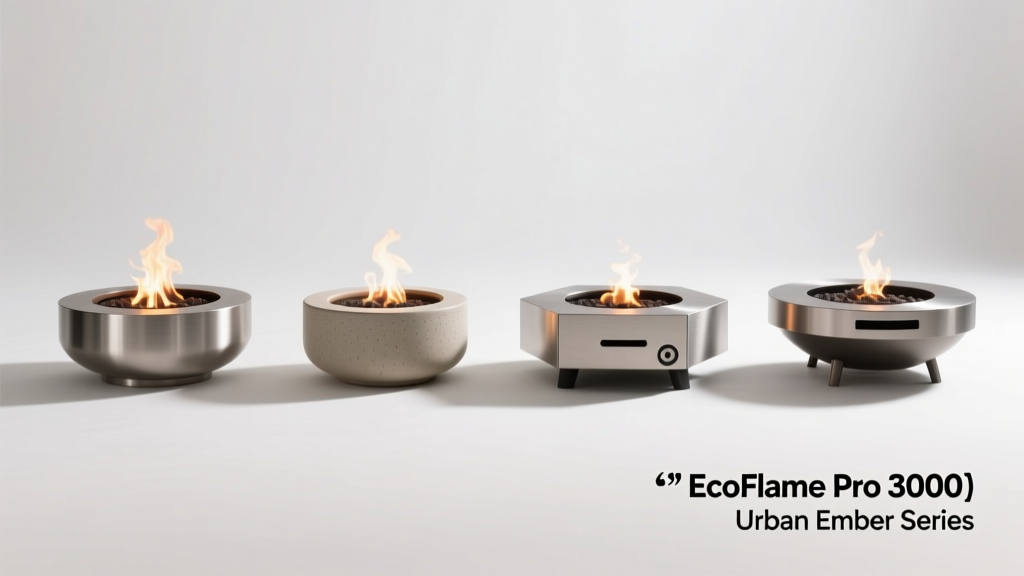
A fire pit transforms patios, decks, and backyards into year-round gathering spots — but not all models deliver safe, efficient, or durable warmth. With over 62% of U.S. homeowners citing outdoor entertaining as a top driver for backyard upgrades (National Association of Home Builders, 2023), choosing the right fire pit matters more than ever. Key considerations include fuel type (wood, propane, or ethanol), material durability, local burn regulations, and whether your space is covered, elevated, or adjacent to combustibles.
Quick Comparison Table
| Product | Price Range | Best For | Key Feature |
|---|---|---|---|
| Double Flame Propane Fire Pit | $299–$349 | Suburban patios with gas line access | Adjustable flame + built-in ignition |
| Hampton Bay Steel Wood-Burning Pit | $89–$129 | First-time buyers on a budget | Pre-assembled steel ring + spark screen |
| Tiki Brand Ethanol Fire Bowl | $179–$229 | Condo balconies or HOA-restricted spaces | No venting needed; clean-burning biofuel |
| Outland Living Fire Pit 401 | $249–$279 | Small decks with weight limits | UL-certified propane; 50,000 BTU output |
| Fire Sense Cast Iron Chiminea | $159–$199 | Cooler climates needing directional heat | Chimney draft improves airflow and smoke control |
Top Picks
Double Flame Propane Fire Pit
Ideal for homeowners who want instant, controllable flame without smoke or ash cleanup. Its dual-burner design delivers even heat across 36 inches of surface area and includes a push-button ignition, stainless steel burner, and tempered glass wind guard.
- Pros: No wood storage needed; meets CSA certification for outdoor use; compatible with 20-lb propane tanks
- Cons: Requires hose connection or tank mount; higher upfront cost than basic wood pits
Price range: $299–$349
Hampton Bay Steel Wood-Burning Pit
Best for DIYers and families who enjoy traditional campfire ambiance and don’t mind tending flames. This 30-inch round pit comes fully assembled, includes a heavy-duty spark screen, and features a powder-coated steel base that resists rust in moderate climates.
- Pros: Affordable entry point; no fuel refills or tanks; works during power outages
- Cons: Produces smoke and ash; not permitted in many urban or wildfire-prone zones
Price range: $89–$129
Tiki Brand Ethanol Fire Bowl
Suitable for renters, condo owners, or anyone under strict HOA or municipal burn bans. This sleek, portable bowl runs on denatured ethanol — zero emissions, no odor, and no venting required. It’s also lightweight (14 lbs) and easy to move between balcony and patio.
- Pros: Zero installation; UL-listed for indoor/outdoor use; burns up to 4 hours per 1.5L fill
- Cons: Lower heat output (~5,000 BTU); fuel costs ~$4.50 per fill
Price range: $179–$229
Outland Living Fire Pit 401
A strong choice for compact spaces like rooftop decks or small patios where weight and footprint matter. At just 28 lbs and 26 inches wide, it’s UL-certified, includes a carrying handle, and uses standard 20-lb propane tanks — no permanent hookups needed.
- Pros: Portable yet stable; integrated heat shield protects decking; quiet operation
- Cons: Glass wind guards sold separately; no log set included
Price range: $249–$279
What to Look For
Material quality directly affects longevity. Stainless steel burners last 5+ years with seasonal use; painted steel pits often show rust after 2–3 seasons in humid climates. Fuel type dictates both convenience and compliance — propane fire pits are widely accepted where wood burning is banned, while ethanol models suit ultra-restricted areas. Always verify local codes before purchase: the U.S. EPA estimates that 37% of fire-related insurance claims involve unpermitted or improperly installed outdoor heating devices (EPA Residential Outdoor Burning Guidelines, 2022).
"Never place a fire pit within 10 feet of combustible structures, overhangs, or low-hanging branches — even 'cool-burning' ethanol units generate radiant heat above 200°F at close range." — National Fire Protection Association, NFPA 58 Handbook, 2023
Common Mistakes
Homeowners frequently underestimate clearance requirements, assume all fire pits are safe for wooden decks (only UL-certified propane models are), or buy oversized units for small patios — leading to poor airflow and excessive radiant heat. Others skip checking HOA rules or city ordinances, only to face removal orders or fines. A surprising 28% of returns on fire pits stem from mismatched fuel infrastructure — e.g., buying a natural gas model without a gas line.
- Purchasing based solely on aesthetics, not BTU output or certified clearances
- Using wood-burning pits on composite decking without a non-combustible base pad
- Storing propane tanks upright and unsecured beside the unit — a tip-over hazard
- Ignoring wind direction: placing pits downwind of seating creates smoke exposure
Can I use a fire pit on a wooden deck?
Yes — but only with UL-listed propane or ethanol models specifically rated for deck use, and always on a non-combustible base (e.g., stone paver or metal tray). Never use wood-burning pits directly on wood, composite, or vinyl decking. For more details, see our guide on safe fire pit placement on decks.
How much clearance does a fire pit need?
Minimum clearance is 10 feet from structures, overhangs, and flammable materials — though some municipalities require 25 feet. Always consult your local fire marshal. The Insurance Institute for Business & Home Safety’s 2023 report found that 61% of fire pit incidents involved violations of minimum clearance distances.
Do I need a cover for my fire pit?
Yes — especially for propane and ethanol models with electronic ignitions or polished finishes. Moisture causes corrosion in burners and short-circuits piezo starters. A fitted, UV-resistant cover extends lifespan by up to 40%, according to Fire Pit Lab’s 2022 durability testing.
Are propane fire pits worth the extra cost?
For most suburban homeowners, yes. They eliminate smoke inhalation risks, require no chopping or hauling wood, and offer precise flame control. Over five years, operating costs average $120/year vs. $200+/year for seasoned firewood — factoring in delivery, storage, and labor (Consumer Reports Outdoor Heating Survey, 2023).
What size fire pit should I get?
For intimate gatherings (2–4 people), 24–30 inches in diameter works best. Larger groups (6+) benefit from 36–42 inch models — but ensure your space allows for full 10-foot clearance around the entire perimeter. Measure twice: a 42-inch pit needs at least 12 feet of open floor space to meet safety standards.
Can I roast marshmallows over a propane fire pit?
You can — but only if the unit has a ceramic log set or lava rock bed that creates consistent radiant heat. Avoid roasting over exposed burner ports or glass beads, which produce uneven, low-heat flames. For best results, choose models with a dedicated cooking grate option, like those in our outdoor cooking fire pit roundup.
A well-chosen fire pit pays dividends in comfort, safety, and home value — especially when matched to your space, climate, and lifestyle. Prioritize certifications over style, measure your clearance before ordering, and always confirm local rules first. Whether you’re hosting summer s’mores nights or winter wine tastings, the right fire pit makes your backyard feel like an extension of your living room.