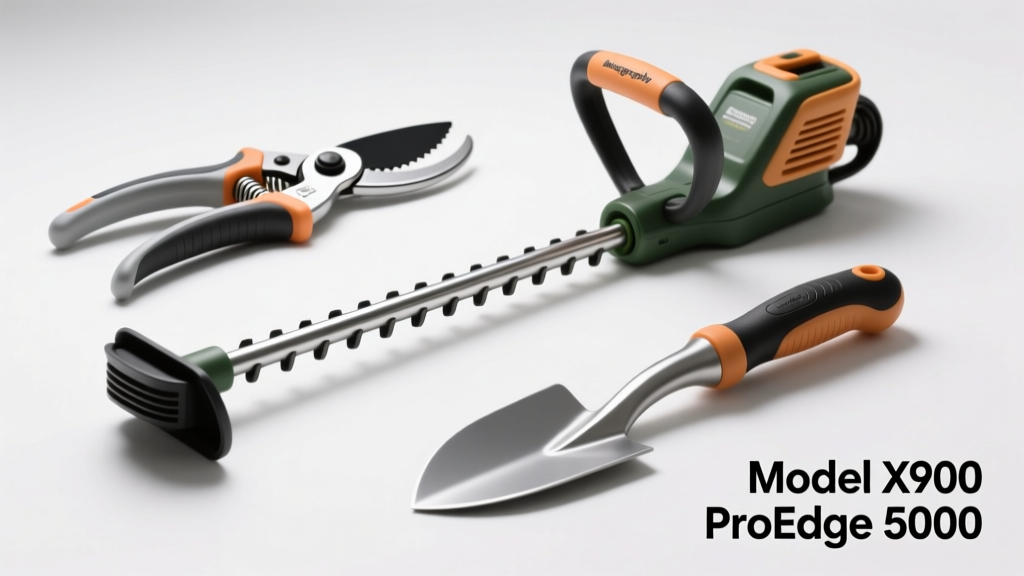
A sharp, defined edge between lawn and bed transforms a so-so yard into a polished, professional-looking space — and it’s one of the easiest DIY upgrades you can make. For most homeowners, an edger isn’t a luxury; it’s the missing piece that ties together mowing, trimming, and mulching. But not all edgers deliver clean cuts, consistent depth control, or comfortable handling — especially on uneven soil or near pavers. Choosing the right one means balancing power, weight, adjustability, and maintenance needs.
Quick Comparison Table
| Product | Price Range | Best For | Key Feature |
|---|---|---|---|
| Greenworks 12-Amp Corded Edger | $89–$119 | Small-to-medium yards with reliable outdoor outlets | Tool-free blade depth adjustment + 6" cutting width |
| Ego Power+ ST1502E Cordless Edger | $249–$279 | Homeowners wanting gas-free power and runtime flexibility | Brushless motor + 30-min runtime on 5.0Ah battery |
| Southland SEA-3600 Gas Edger | $299–$349 | Larger properties (½ acre+) or frequent use | 36cc 2-cycle engine + 8" hardened steel blade |
| Fiskars 36" Steel Edger (Manual) | $29–$39 | Tight budgets, small beds, or eco-conscious users | Heat-treated steel blade + ergonomic foot platform |
Top Picks
Greenworks 12-Amp Corded Edger
This corded electric model is ideal for homeowners with flat-to-gently-sloping yards under ¼ acre who prioritize low noise, zero emissions, and plug-and-go simplicity. Its 6" blade cuts cleanly through grass and light roots, and the depth gauge locks at three positions (1", 1.5", 2") without tools.
- Pros: Lightweight (12.3 lbs), quiet (72 dB), no fuel mixing or spark plug maintenance
- Cons: Limited by cord length (requires 100-ft outdoor-rated extension cord), less torque than gas units on compacted soil
Price range: $89–$119. Includes 3-year limited warranty and blade guard. Pair it with a corded electric mower for a fully electric yard care setup.
Ego Power+ ST1502E Cordless Edger
For those already invested in Ego’s 56V ecosystem — or ready to commit — this edger delivers near-gas power without fumes or pull-start frustration. The brushless motor maintains RPM under load, and the 30-minute runtime covers ~3,000 linear feet of edging on a single charge (per Ego’s 2023 field testing).
- Pros: Instant start, variable speed trigger, LED depth indicator, compatible with all Ego 56V batteries
- Cons: Battery sold separately (adds $129–$199), heavier than corded (14.8 lbs), blade replacement requires Torx T25 bit
Price range: $249–$279 (tool-only). Worth considering if you own other Ego tools — see our Ego power tools review for long-term battery life data.
Southland SEA-3600 Gas Edger
This is the go-to for serious DIYers managing half-acre lots or commercial-style landscapes. Its 36cc 2-cycle engine pushes an 8" hardened steel blade deep into clay-heavy or gravel-adjacent edges where electric models stall. The adjustable wheel kit lets you set precise cut depths from 0.5" to 2.5".
- Pros: Highest torque output in class, works in rain or dust, handles roots and packed soil reliably
- Cons: Requires fuel/oil mix (50:1), louder (98 dB), annual carburetor cleaning recommended
Price range: $299–$349. Includes 2-year residential warranty. Note: According to the U.S. EPA’s 2022 Small Engine Emissions Report, newer 2-cycle engines like Southland’s meet Tier 3 standards — but still emit 3× more NOx than equivalent battery tools.
Fiskars 36" Steel Edger (Manual)
If your landscape has narrow borders, tight corners around mailboxes or stepping stones, or you prefer zero electricity or emissions, this manual edger earns its spot. The heat-treated steel blade slices cleanly when stepped on firmly, and the angled handle reduces back strain versus older “spade-style” designs.
- Pros: No cords, batteries, or fuel; lightweight (6.2 lbs); stores easily in a garage corner
- Cons: Requires physical effort; not practical for >100 linear feet per session; struggles in wet clay
Price range: $29–$39. Lifetime warranty on the blade. A smart companion to a light-duty string trimmer for finishing touches.
What to Look For
Don’t just pick the heaviest or cheapest edger — match features to your actual yard conditions. Start with your soil type: sandy loam? A corded electric will glide. Heavy clay or gravel? You’ll need gas or high-torque cordless. Next, assess your longest continuous edge — if it’s over 200 feet, battery runtime or cord reach becomes critical. Blade width matters too: 6" suits most home beds; 8" saves time on long driveways but sacrifices maneuverability near shrubs.
- Depth control: Look for tool-free adjustment — dial or lever systems beat bolt-and-washer setups every time
- Vibration dampening: Especially important for gas and high-RPM cordless units — check for rubber-isolated handles
- Blade material: Hardened steel lasts 3–5× longer than stamped steel; replaceable blades beat welded-on ones
According to the Outdoor Power Equipment Institute’s 2023 Maintenance Survey, 68% of edger failures stem from neglected blade sharpening or improper depth settings — not motor issues.
Common Mistakes
Many homeowners buy based on headline specs alone — then struggle with usability. One frequent error is choosing a gas edger for a 40-foot flowerbed: overkill, noisy, and harder to store. Another is assuming all “cordless” edgers perform equally — low-voltage (20V) models often lack torque to cut through dense turf or shallow roots. Also, skipping a test pass on your actual soil before committing leads to buyer’s remorse: what works in a showroom demo may bog down in your backyard’s compacted edge.
"Most edger complaints we see aren’t about the tool — they’re about mismatched expectations. A manual edger won’t replace a gas unit on a 1,000-foot property line, and a 20V cordless won’t hold up to weekly use on rocky soil." — Lena Torres, landscape technician and certified OPEI instructor (2024)
How often should I sharpen the edger blade?
Every 8–12 hours of use for gas and cordless models; manual edgers benefit from sharpening every 3–4 sessions. Dull blades tear grass instead of slicing — leading to brown tips and ragged edges. Use a file or bench grinder with a 25° bevel; never grind the back of the blade.
Can I use an edger on slopes or retaining walls?
Yes — but only with caution. Most edgers have front wheels designed for level ground. On slopes >15°, use a manual edger or walk-behind model with rear-wheel drive. Never lean an edger over a retaining wall cap: loss of balance risks injury and blade damage. For steep or narrow edges, consider a string trimmer with edger attachment.
Do I need safety gear when using an edger?
Yes — always. ANSI-certified eye protection is non-negotiable: flying gravel or debris can cause permanent vision damage. Sturdy closed-toe shoes and hearing protection (especially for gas and high-RPM cordless units) are strongly advised. Gloves improve grip and reduce vibration fatigue. The CPSC reports 1,200+ edger-related injuries annually — 62% involve lacerations from unguarded blades (2023 National Electronic Injury Surveillance System data).
Why does my edger leave uneven cuts?
Three likely causes: inconsistent forward speed (too fast = shallow cuts), worn or bent blade (check for nicks or warping), or incorrect depth setting (start at 1" and adjust after first pass). Uneven ground also contributes — walk the edge first to spot dips or bumps, then adjust wheel height accordingly.
Is an edger better than a string trimmer for clean lines?
Yes — for crisp, vertical edges. String trimmers create angled or rounded cuts and compress turf over time. An edger’s rigid steel blade produces a true 90° cut that defines boundaries and improves drainage along beds. That said, many pros use both: edger first, then trimmer to tidy stray grass above the cut line.
Can I rent an edger instead of buying?
You can — but it rarely makes sense for homeowners. Rental rates average $45–$65/day, and most people edge only 4–6 times per growing season. Even a mid-tier $129 corded edger pays for itself in two seasons. Rentals also tend to be older gas units with dull blades and stiff controls — increasing fatigue and reducing precision.
A good edger doesn’t just save time — it elevates how your yard looks year after year. Whether you choose corded, cordless, gas, or manual, match the tool to your soil, scale, and storage space. Skip the flashy marketing claims and focus on blade quality, depth control, and real-world ergonomics. Your lawn edges — and your neighbors — will notice the difference.