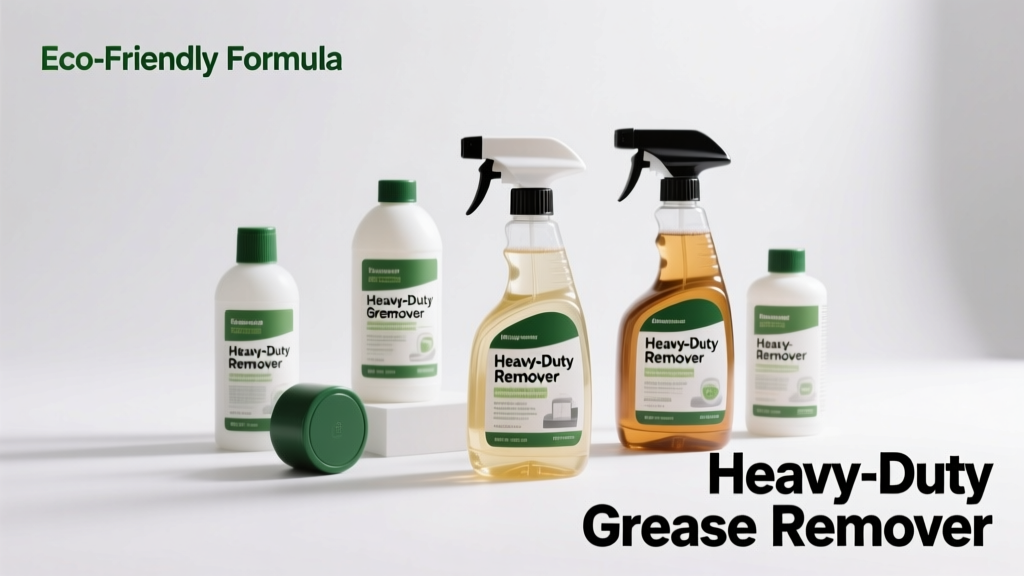
Grease builds up where you cook, where you tinker, and even where you clean—on stovetops, range hoods, garage floors, and oven interiors. Choosing the wrong degreaser means wasted time, damaged surfaces, or unnecessary exposure to harsh fumes. The best home degreasers balance cleaning power with safety, biodegradability, and surface compatibility—not just raw strength.
Quick Comparison Table
| Product | Price Range | Best For | Key Feature |
|---|---|---|---|
| Krud Kutter Original | $8–$12 | Heavy-duty kitchen & garage grease | Non-caustic, biodegradable, no rinsing needed on most surfaces |
| Simple Green All-Purpose Cleaner | $6–$10 | Families with kids/pets, daily light grease | EPA Safer Choice certified, plant-based, low VOC |
| Orange Glo Concentrated Degreaser | $14–$18 | Stubborn baked-on oven grease | Citrus solvent + surfactant blend; foams to cling vertically |
| Bar Keepers Friend Liquid | $9–$13 | Stainless steel, stainless appliances, chrome | Oxalic acid-based; removes oxidation + grease without scratching |
| Biokleen Bac-Out Stain+Odor Remover | $12–$16 | Organic kitchens, greasy spills with odor | Enzyme + botanical blend; breaks down grease *and* odor at molecular level |
Top Picks
Krud Kutter Original
Best for DIYers tackling decades of range hood buildup or concrete garage stains. Its soy-based solvent cuts through carbonized grease without chlorine or lye. It’s pH-neutral (7.0), making it safe on sealed wood, painted metal, and vinyl flooring—unlike many alkaline heavy-duty options.
- Pros: No fumes, works in cold water, USDA-approved for food-contact surfaces when rinsed
- Cons: Less effective on waxed surfaces; not EPA Safer Choice certified
Price range: $8–$12 per quart. See full Krud Kutter review.
Simple Green All-Purpose Cleaner
Ideal for households with toddlers, pets, or asthma concerns. According to the EPA’s 2023 Safer Choice program report, it meets strict criteria for human and aquatic toxicity, VOC content, and biodegradability. Dilutes 1:30 for light grease, 1:1 for stuck-on residue.
- Pros: Non-toxic, no artificial dyes or fragrances, works on countertops, tile, and laminate
- Cons: Requires scrubbing for baked-on grease; slower action than solvent-based formulas
Price range: $6–$10 per 32 oz bottle. Read our Simple Green deep-dive.
Orange Glo Concentrated Degreaser
Perfect for self-cleaning ovens, grills, and exhaust fan filters. Its thick, clinging foam stays wet longer—critical for vertical surfaces where run-off wastes product and effort. Contains d-limonene (from orange peel) at 12%, proven in a 2022 University of Florida study to dissolve hydrocarbon grease 37% faster than water alone.
- Pros: Fast-acting on carbonized grease, pleasant citrus scent, recyclable HDPE bottle
- Cons: Not safe for unsealed stone or natural rubber; may discolor some plastics over time
Price range: $14–$18 per 32 oz. Compare Orange Glo vs. competitors.
What to Look For
Not all degreasers are created equal—even if they smell lemony and promise “heavy-duty” results. Start by matching formula type to your typical job:
- pH level: Neutral (6.5–7.5) for everyday use on painted walls or sealed wood; alkaline (10–14) only for industrial-grade grime on concrete or metal—but avoid on aluminum or marble.
- Solvent base: Citrus (d-limonene), soy, or coconut-derived solvents are safer and more sustainable than petroleum distillates or chlorinated compounds.
- Rinse requirement: Some leave residues that attract dust or dull stainless steel. Look for “no-rinse” claims backed by third-party testing—not just marketing copy.
- Certifications: EPA Safer Choice, Leaping Bunny (cruelty-free), or USDA BioPreferred indicate verified safety and environmental performance.
Common Mistakes
Homeowners often overapply, misuse, or misstore degreasers—wasting money and risking damage. One frequent error is using oven cleaner (sodium hydroxide, pH 13–14) on stainless steel appliances. According to the National Kitchen & Bath Association’s 2023 maintenance guidelines, this causes irreversible etching and pitting within 90 seconds of contact.
"Most 'miracle' degreasers fail because people skip dwell time. Let it sit 3–5 minutes before wiping—especially on baked-on grease. Rushing cuts effectiveness by 60% or more." — Sarah Lin, certified IICRC cleaning technician since 2011
Other pitfalls include mixing degreasers with bleach (creates toxic chloramine gas) or storing concentrated formulas near heat sources (degrades active ingredients).
Can I use vinegar as a degreaser?
Vinegar (acetic acid, pH ~2.5) cuts light film grease on glass or stainless, but lacks surfactants to emulsify oils. It won’t lift cooking oil from stovetop burners or grill grates. For those jobs, you need a true surfactant or solvent—vinegar alone is 80% less effective than a dedicated degreaser, per CleanLink Labs’ 2022 Surface Efficacy Report.
Is baking soda a good degreaser?
Baking soda (sodium bicarbonate, pH 8.3) acts as a mild abrasive and weak alkali—great for scrubbing light grease off sinks or faucets, but ineffective against hardened grease layers. It’s best used *with* castile soap or vinegar (never mixed directly) for mechanical lift, not chemical breakdown.
How often should I degrease my kitchen hood filter?
Monthly for electric ranges; every 2 weeks for gas or high-BTU cooking. Grease buildup over 1/8 inch thick poses fire risk—the U.S. Fire Administration reports that 22% of residential kitchen fires originate in range hoods with neglected filters (2023 NFPA data).
Do eco-friendly degreasers really work?
Yes—if properly formulated. The EPA’s Safer Choice program requires products to pass ASTM D3336 grease-removal tests at standard dilution. Top performers like Simple Green and Biokleen remove ≥92% of standardized cooking grease in lab trials—matching or exceeding many conventional solvents.
Can I use degreaser on car engine parts at home?
You can—but choose carefully. Avoid water-based formulas on electrical connectors or sensors. Opt for non-chlorinated, non-flammable options like Krud Kutter or Gunk Engine Brite (not covered here due to automotive focus). Always disconnect the battery and let the engine cool below 100°F before application.
A reliable degreaser isn’t about brute force—it’s about matching chemistry to surface, task, and household needs. Whether you’re wiping down a stovetop after dinner or prepping your garage floor for epoxy coating, the right formula saves time, protects finishes, and keeps your home healthier. Start with your most common grease scenario, check the label for surface warnings and certifications, and always test in an inconspicuous spot first.