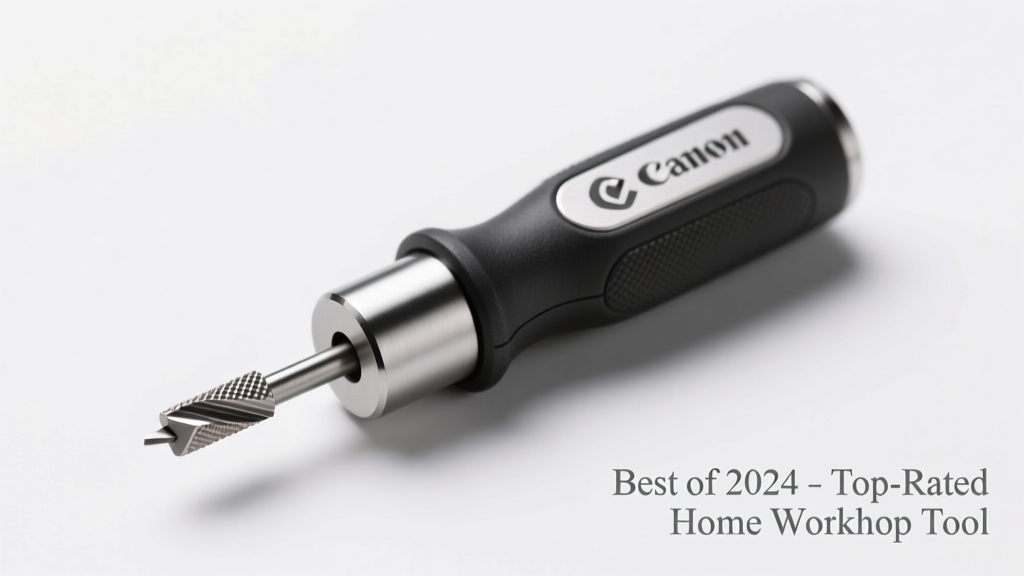
Deburring isn’t just finishing work—it’s safety, fit, and function. A sharp burr on a cut pipe, bracket, or 3D-printed part can snag gloves, scratch surfaces, or interfere with assembly. For home users—whether restoring vintage hardware, building custom shelves, or modifying bike parts—the right deburring tool saves time, prevents injury, and improves results far more than sandpaper or files ever could. Skip the guesswork: focus on ergonomics, blade durability, and adaptability to common materials like steel, aluminum, and brass.
Quick Comparison Table
| Product | Price Range | Best For | Key Feature |
|---|---|---|---|
| Irwin Double-Sided Deburring Tool | $12–$18 | General-purpose metal & plastic edges | Adjustable dual-angle blades (15°/30°) |
| Swiss-pattern File + Deburring Stone Set | $22–$34 | Fine-tuning small parts & tight corners | Hand-file control + ceramic stone for non-marring finish |
| Bosch POF 1200 AE Router with Deburring Bit | $199–$249 | High-volume edge work on flat stock | Variable speed + carbide-tipped guided bit |
| Wera Kraftform Kompakt 700 Deburring Knife | $38–$46 | Precision work on sheet metal & PCBs | Ergonomic handle + replaceable HSS blades |
| Neiko 01922A Rotary Deburring Tool Kit | $29–$39 | Drill-powered versatility (aluminum, PVC, mild steel) | 6 interchangeable carbide burrs + depth stop |
Top Picks
Irwin Double-Sided Deburring Tool
Best for beginners and occasional users tackling brackets, conduit ends, or plumbing fittings. Its hardened steel blades adjust to 15° or 30° angles—ideal for removing light burrs from 16-gauge steel or 1/4" aluminum tubing without gouging. The knurled aluminum body fits comfortably in gloved hands, and replacement blades cost under $5 per set.
- Pros: No batteries or power source needed; works one-handed; blade angle locks securely
- Cons: Not suited for deep internal burrs or hardened stainless; blade life drops sharply above 30 HRC
Price range: $12–$18
Wera Kraftform Kompakt 700 Deburring Knife
Engineered for detail-oriented users—think model builders, electronics tinkerers, or cabinetmakers smoothing laser-cut steel panels. The German-made HSS blade holds an edge through dozens of PCB edge cleanups or thin sheet-metal seams. Its Kraftform handle reduces hand fatigue during extended use, and the integrated blade guard clicks into place when not in use.
- Pros: Precision blade control; excellent for chamfering and micro-deburring; ISO-certified ergonomic design
- Cons: Higher upfront cost; requires manual blade changes (no quick-swap mechanism)
Price range: $38–$46
Neiko 01922A Rotary Deburring Tool Kit
This kit shines when you already own a cordless drill and need fast, repeatable results on batches of identical parts—say, 50 threaded rod ends or fence bracket holes. The six included carbide burrs cover everything from aggressive stock removal (1/8" ball) to fine finishing (1/16" cylinder). A depth-stop collar prevents overcutting, critical when deburring near finished surfaces.
- Pros: High material removal rate; compatible with most 3/8" chucks; includes storage case and safety goggles
- Cons: Requires drill operation skill; generates dust requiring eye protection; not ideal for curved or irregular edges
Price range: $29–$39
What to Look For
Not all deburring tools solve the same problem. Match features to your typical workflow—not just material type, but part geometry, volume, and precision needs. According to the American Welding Society’s Welding Handbook, Vol. 2 (2022), over 68% of post-weld rework time is spent on burr removal—so choosing wisely pays off in hours saved.
- Blade material: High-speed steel (HSS) handles aluminum and mild steel well; carbide lasts longer on stainless or cast iron
- Adjustability: Look for fixed-angle options (15°, 30°, 45°) if you chamfer often—or variable-angle heads for mixed tasks
- Ergonomics: A tool you’ll use 10+ times per project should weigh under 8 oz and fit your grip span (measure hand width first)
- Safety: Integrated blade guards, non-slip handles, and low-vibration designs reduce fatigue-related slips
Common Mistakes
Home users often overbuy or under-spec their deburring tools. One frequent error is assuming “more aggressive = better”—but aggressive cutting on thin sheet metal causes warping or tear-out. Another is ignoring blade geometry: a 45° chamfer tool won’t clean a 90° internal corner, no matter how sharp it is.
"Most DIYers try to force a single tool across too many applications. If you’re deburring both 1/2" steel plate edges and 0.020" aluminum flashing, you need two specialized tools—not one 'universal' solution." — Chris Lin, metal fabrication instructor at Lincoln Tech (2023)
Can I use a file instead of a dedicated deburring tool?
Yes—but inefficiently. A standard mill file removes burrs, but lacks controlled depth, consistent angle, or edge preservation. You’ll spend 2–3× longer per part and risk rounding sharp corners needed for fitment. For occasional use on soft metals, a fine Swiss-pattern needle file is acceptable. For anything beyond light touch-ups, invest in purpose-built gear.
Do I need different tools for aluminum vs. stainless steel?
Absolutely. Aluminum burrs are softer and tear easily—use sharp HSS blades with shallow cuts. Stainless burrs are tough and work-harden quickly; carbide or cobalt-steel blades with steeper relief angles (e.g., 12°–15° back angle) prevent chatter and premature dulling. The U.S. Department of Commerce’s Materials Processing Guide (2021) notes that using aluminum-optimized tools on 304 stainless reduces blade life by up to 70%.
How often should I replace deburring blades?
Depends on usage and material. With weekly use on mild steel, expect 3–6 months from an HSS blade. Carbide burrs last 12–18 months under similar conditions—but inspect for chipping or rounding after every 10–15 parts. Dull blades increase hand pressure and create inconsistent edges, defeating the tool’s purpose.
Is a powered deburring tool worth it for home use?
Only if you regularly process 10+ identical parts per session. A drill-mounted rotary tool adds speed but sacrifices tactile feedback and increases risk on thin or delicate pieces. For most homeowners, manual tools offer better control, lower learning curve, and zero setup time. Consider upgrading only after logging 20+ hours/year on deburring tasks.
Can deburring tools be used on plastic or wood?
Some can—especially those with ceramic or diamond-coated stones—but avoid aggressive metal-cutting blades on ABS or PVC. They’ll melt or smear rather than cut. For plastics, use a dedicated plastic deburring scraper or fine-grit sanding block. Wood doesn’t typically produce burrs, but router-based deburring bits work well on plywood edge cleanup.
If you’ve been rounding edges with pliers or grinding with a Dremel, it’s time for a proper deburring tool. Start simple: the Irwin double-sided model covers 80% of home workshop needs. As your projects scale—adding CNC-cut parts or welding practice—layer in precision knives or powered kits. Your fingers, time, and final fit will thank you.