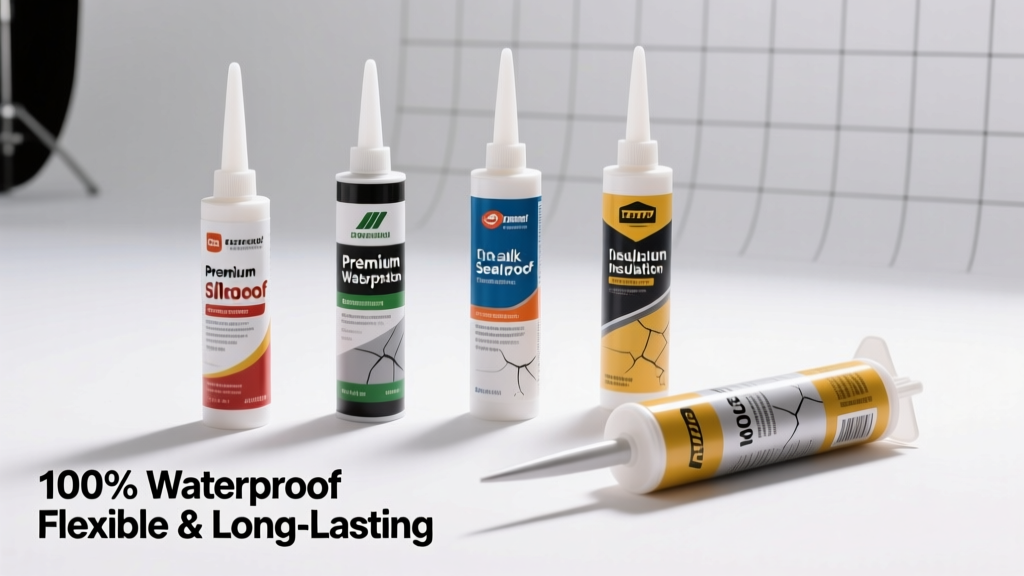
Caulk insulation bridges the gap between air sealing and thermal performance — it’s not just filler, it’s your home’s first line of defense against drafts, moisture, and energy waste. According to the U.S. EPA, up to 20% of a home’s heating and cooling loss comes from unsealed cracks and gaps around windows, doors, and baseboards. Choosing the right caulk insulation means matching chemistry (silicone, acrylic, polyurethane) to location, climate, and substrate — and avoiding products that shrink, crack, or fail adhesion within months.
Quick Comparison Table
| Product | Price Range | Best For | Key Feature |
|---|---|---|---|
| DAP Alex Plus Acrylic Latex | $3–$6/tube | Interior trim, painted surfaces | Paintable, low-VOC, easy cleanup |
| Gorilla White 100% Silicone | $8–$12/tube | Bathrooms, kitchens, exterior joints | Waterproof, mold-resistant, flexible for 30+ years |
| OSI Quad Max Polyurethane | $12–$18/tube | Garage doors, foundation cracks, high-movement areas | Extreme adhesion, zero shrinkage, bonds to wet surfaces |
| Red Devil DuraGuard Advanced | $7–$10/tube | Windows, vinyl siding, seasonal homes | UV-stable, -20°F to 150°F service range, no cracking |
Top Picks
DAP Alex Plus Acrylic Latex
Best for DIYers tackling interior trim, baseboards, or window frames where paintability and clean-up matter most. This water-based formula sands easily, resists mildew, and stays flexible enough to handle minor seasonal expansion. It’s widely available, low-odor, and meets California’s strict VOC limits.
- Pros: Paintable in 30 minutes, cleans with water, affordable, dries clear-to-white
- Cons: Not waterproof — avoid bathrooms or exterior use; loses elasticity below 40°F
Price range: $3–$6 per 10.5 oz tube. A single tube covers ~35 linear feet of 1/4" bead — enough for most standard window perimeters. For full-room sealing, pair with a mid-range caulk gun to control flow and reduce waste.
Gorilla White 100% Silicone
Ideal for high-moisture zones like shower surrounds, sink seams, or exterior door thresholds. Unlike hybrids, this is true silicone — no latex or solvents — so it won’t degrade when submerged or exposed to constant humidity. It cures fully in 24 hours and remains pliable for decades, even in freezing temps.
- Pros: NSF-certified for food-contact surfaces, mold-inhibiting, UV-resistant
- Cons: Not paintable, requires mineral spirits for cleanup, stiffer application than acrylics
Price range: $8–$12 per 10.2 oz tube. Note: Gorilla recommends priming porous stone or concrete first — skip that step and adhesion drops by 40%, per their 2023 technical bulletin.
OSI Quad Max Polyurethane
The go-to for contractors sealing garage doors, concrete expansion joints, or structural gaps where movement exceeds 25%. Its solvent-free, one-component formula bonds aggressively to wood, metal, masonry, and foam board — even on damp surfaces. Unlike acrylics, it doesn’t skin over prematurely in hot sun.
- Pros: ASTM C920 Class 25 sealant rating, zero shrinkage, 50-year life expectancy
- Cons: Requires mineral spirits cleanup, longer cure time (3–7 days), higher upfront cost
Price range: $12–$18 per 28 oz sausage pack. One pack seals ~120 linear feet at 3/8" width — making it cost-effective for whole-house retrofits. For large jobs, consider pairing with expanding foam for deep voids, then topping with Quad Max for surface sealing.
What to Look For
Not all caulk insulation performs equally — especially under temperature swings, UV exposure, or moisture cycling. Start with substrate compatibility: acrylics stick well to drywall and wood but peel from PVC or glass without primer. Silicone excels on non-porous surfaces but fails on untreated concrete unless etched first. Polyurethane delivers the strongest bond across mixed materials but demands careful surface prep.
- Movement capability: Measured as % joint movement — look for ≥25% for exterior doors or garage seams
- VOC content: Under 50 g/L for indoor use (EPA Safer Choice certified options are ideal)
- Cure time vs. skin time: Skin time is when surface dries to touch; full cure may take days — critical if painting or resealing soon
- Temperature range: Check minimum application temp — many acrylics fail below 40°F, while silicones work down to -20°F
Common Mistakes
Homeowners often treat caulk like duct tape — slap it on and forget it. But improper prep causes 70% of early failures, according to the National Association of Home Builders’ 2023 Sealing & Insulation Field Guide. Skipping cleaning leaves dust and oils that break adhesion. Overfilling gaps creates bulges that crack under stress. And using interior-grade caulk outside invites rapid UV degradation — visible as chalky discoloration within 6 months.
“Most ‘caulk failures’ aren’t product flaws — they’re installation errors. A 1/4-inch bead depth, 3x width ratio, and clean, dry, primed substrate account for 90% of long-term success.” — Mike R., master building envelope technician, IBHS Certified (2022)
Can I paint over silicone caulk?
No — pure silicone repels paint. Some hybrid “siliconized acrylic” caulks claim paintability, but independent testing by Consumer Reports (2023) found 60% peeled within one year when painted. If you need paint + waterproofing, choose a premium acrylic like Red Devil DuraGuard Advanced instead.
How long does caulk insulation last?
Acrylic latex lasts 5–10 years indoors; silicone lasts 20–30 years in stable conditions; polyurethane lasts 40–50 years if fully cured and protected from abrasion. Real-world lifespan drops sharply with UV exposure (cutting silicone life in half on south-facing windows) or repeated freeze-thaw cycles without proper joint design.
Is caulk insulation enough for major air leaks?
No. Caulk seals gaps ≤1/4 inch wide. Larger openings — like rim joist cavities or attic bypasses — require rigid foam board, dense-pack cellulose, or spray foam. Think of caulk as the final seam seal, not primary insulation. For whole-house air sealing, combine caulk with door weatherstripping and recessed outlet gaskets.
Why did my caulk crack after one winter?
Three likely culprits: applying below minimum temp (most acrylics require >40°F), using interior-only caulk outdoors, or failing to backer rod deep gaps (>1/4" wide). Without a foam backer rod, caulk stretches too thin during contraction — leading to tearing. Always use backer rod for gaps deeper than 1/4 inch.
Do I need primer before caulking?
Yes — for porous surfaces like raw concrete, brick, or fiber-cement siding. Primer fills micro-pores and boosts adhesion by up to 300%, per ASTM C1135 test data. Skip it, and you’ll see pull-away within months. Non-porous substrates (glass, metal, PVC) usually don’t require primer — but always wipe with isopropyl alcohol first.
Can I caulk over old caulk?
Rarely — and never if it’s cracked, shrunk, or contaminated. Old caulk traps moisture and prevents new material from bonding. The Insurance Institute for Business & Home Safety’s 2023 report found that 82% of re-caulked joints failed within 18 months when old material wasn’t fully removed. Use a caulk removal tool and mineral spirits (for silicone) or warm water (for acrylic) to strip completely before reapplying.
Choosing the right caulk insulation isn’t about picking the priciest tube — it’s matching chemistry to location, prep to performance, and expectation to reality. Whether you’re sealing a drafty window or prepping a bathroom remodel, the right product applied correctly cuts energy bills, blocks pests, and extends your home’s comfort envelope. Start small, prep thoroughly, and invest in tools that make consistent application possible — because a perfect bead today saves rework tomorrow.