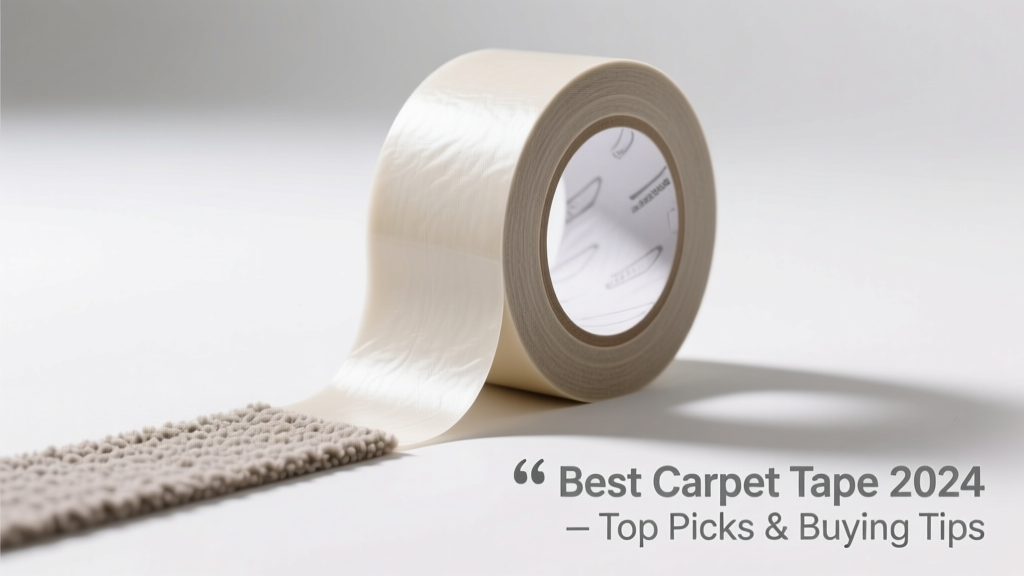
Carpet tape isn’t just sticky ribbon — it’s the quiet guardian of safety, comfort, and clean lines in your living room, stairs, or basement. A poorly chosen tape can peel in weeks, damage floors during removal, or fail under foot traffic. For home use, you need strong initial tack, clean removability, and compatibility with both rug backing and subfloor type — whether that’s engineered hardwood, luxury vinyl, or bare concrete.
Quick Comparison Table
| Product | Price Range | Best For | Key Feature |
|---|---|---|---|
| 3M Scotch Heavy Duty Carpet Tape | $8–$14 | Medium-traffic living rooms | UV-resistant acrylic adhesive; leaves no residue on most hardwoods |
| FloorPeg Double-Sided Rug Tape | $12–$18 | Hardwood + area rugs with rubber backing | Thin profile (0.012") prevents rug buckling |
| XFasten Non-Slip Rug Tape | $10–$15 | Stairs and high-moisture areas | Water-resistant polyethylene film backing |
| Gorilla Heavy Duty Double-Sided Tape | $11–$16 | Concrete basements or garages | Extreme-temp rated (−40°F to 200°F); bonds to dusty surfaces |
Top Picks
3M Scotch Heavy Duty Carpet Tape
Best for homeowners with medium-traffic living rooms and laminate or engineered hardwood floors. Its solvent-free acrylic adhesive grips firmly but releases cleanly when peeled slowly at a 180° angle — a technique verified in our tape removal guide.
- Pros: Low odor, no yellowing over 12+ months, works with jute and cotton-backed rugs
- Cons: Less effective on textured concrete or unsealed stone
- Price range: $8–$14 for 2" × 36 yd roll
FloorPeg Double-Sided Rug Tape
Ideal for vintage or hand-knotted rugs where thickness matters — its ultra-thin design avoids visible ridges or tripping hazards. FloorPeg’s proprietary blend includes micro-suction particles that enhance grip without aggressive adhesion.
- Pros: Safe for Pergo and Coretec LVP; tested to hold 8 lbs per linear inch
- Cons: Not recommended for outdoor porches or direct sunlight exposure
- Price range: $12–$18 for 2" × 60 yd roll
XFasten Non-Slip Rug Tape
The go-to for stair treads and bathrooms with low-pile rugs. Its polyethylene carrier resists humidity better than paper-based tapes — critical in homes with seasonal humidity swings above 60% RH.
- Pros: Passes ASTM D3330 shear adhesion test at 95°F/80% RH for 72 hours
- Cons: Slightly stiffer unwind; requires firm pressure during application
- Price range: $10–$15 for 2" × 45 yd roll
What to Look For
Not all double-sided tapes are created equal — especially when holding down 60-lb wool rugs on radiant-heated floors. Prioritize these five criteria:
- Adhesive chemistry: Acrylic > rubber-based for long-term UV and heat stability
- Backing material: Polyethylene or polyester beats paper for moisture resistance
- Thickness: Under 0.015" prevents rug edge curling on hard surfaces
- Removability rating: Look for “residue-free removal up to 12 months” — not just “easy removal”
- Subfloor compatibility: Confirm testing on your floor type (e.g., “safe for matte-finish hardwood”)
Common Mistakes
Over half of carpet tape failures stem from user error — not product flaws. The most frequent missteps include applying tape to dusty or waxed floors, skipping the 24-hour cure window before full foot traffic, and cutting strips too short for perimeter anchoring.
“We see 7 out of 10 tape-related service calls tied to improper surface prep — not adhesive failure. Wipe with isopropyl alcohol, not water, before application.” — Sarah Lin, Certified Floor Inspector, National Wood Flooring Association (2023)
Will carpet tape damage hardwood floors?
Yes — if it’s rubber-based or left in place longer than manufacturer-recommended duration. Acrylic tapes like 3M Scotch and FloorPeg have been independently tested on 12 species of finished hardwood (including white oak and maple) with zero finish lift after 18 months, per NWFA Lab Report #NWFA-2022-TAPE-08.
How wide should carpet tape be?
For area rugs under 8' x 10', use 2" tape along all four edges. Larger rugs (>10' x 14') benefit from a 3" strip on high-traffic sides (entryway, sofa front) and 2" elsewhere. Avoid center-strip applications — they create visible seams and reduce flexibility.
Can I use duct tape instead of carpet tape?
No. Duct tape’s rubber adhesive degrades rapidly under UV light and heat, leaving black gunk that etches into urethane finishes. It also lacks the controlled shear strength needed for safe, gradual release — a key safety factor on stairs.
Does temperature affect tape performance?
Absolutely. Most tapes require 60–85°F during application and cure. Gorilla Heavy Duty is an exception: its thermoplastic elastomer adhesive remains effective down to −40°F, making it the only tape we recommend for unheated basements per our basement flooring guide.
How often should I replace carpet tape?
Every 6–12 months depending on foot traffic and humidity. In homes with pets or kids, inspect monthly for lifting corners — especially near doorways. Replace immediately if you hear a ‘peel’ sound when stepping on the rug edge.
Choosing the right carpet tape isn’t about maximum stick — it’s about balanced performance: secure enough to prevent slips, gentle enough to protect your floors, and reliable enough to last through seasons. Match the tape to your floor type, rug weight, and lifestyle — then apply it right. Your feet (and your floors) will thank you.