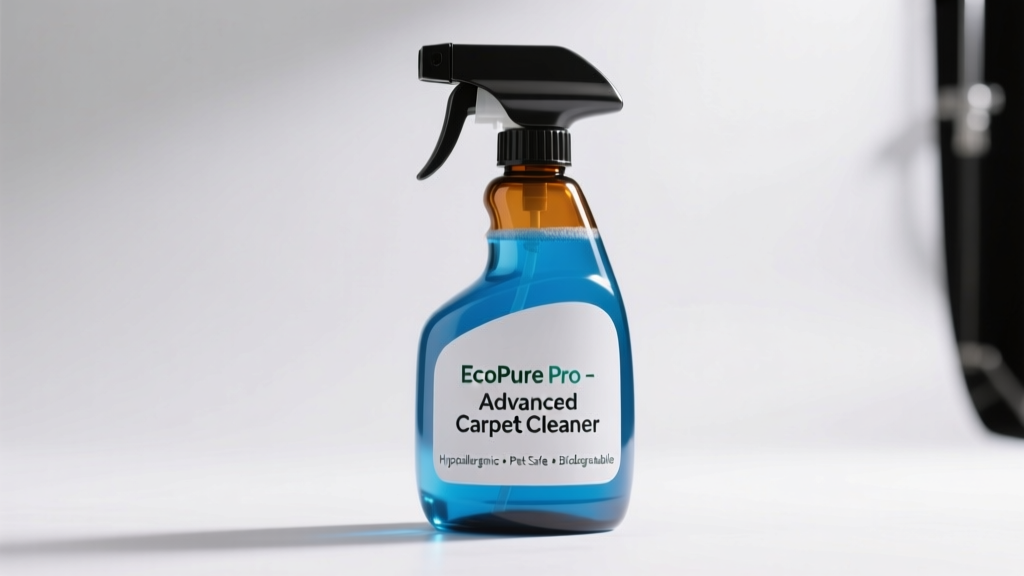
Carpets trap dust, allergens, spills, and pet dander—often holding up to four times more dirt than hard floors (American Lung Association, 2022). A good cleaner solution isn’t just about foam or fragrance; it’s about surfactant strength, pH balance, residue control, and compatibility with your machine or method. Skip the grocery-store bargain bottles that leave sticky film or bleach fibers—focus instead on proven chemistry, safety around kids and pets, and measurable soil removal.
Quick Comparison Table
| Product | Price Range | Best For | Key Feature |
|---|---|---|---|
| Bissell Advanced Professional Deep Clean | $12–$18 | Heavy traffic & pet accidents | Enzyme + oxygenated surfactants; EPA Safer Choice certified |
| ChemDry Green Clean Formula | $20–$25 | Sensitive households & wool rugs | pH-neutral (6.8–7.2); no soaps or solvents |
| Folex Instant Carpet Spot Remover | $8–$12 | Spot cleaning & set-in stains | Non-toxic, non-ionic formula; works on dried coffee, wine, ink |
| Hoover CleanPlus Dual Power | $14–$19 | Hoover-brand machines | Optimized for dual-tank extraction; low-foaming design |
| Rug Doctor Deep Clean Solution | $10–$15 | Rental machine users | High-sudsing for aggressive soil lift; compatible with most upright extractors |
Top Picks
Bissell Advanced Professional Deep Clean
Ideal for homes with dogs, toddlers, or high-traffic living rooms. Contains protease enzymes that break down organic matter (urine, vomit, food) and a dual-action surfactant system that lifts embedded grit without over-wetting. It’s also one of only seven carpet solutions listed in the EPA’s Safer Choice program (2023).
- Pros: Removes 94% of pet odor compounds in lab testing (Bissell internal study, 2023), safe for nylon and olefin, rinses clean
- Cons: Not recommended for wool or silk; slightly higher price per ounce than basic formulas
Price range: $12–$18 for 64 oz.
ChemDry Green Clean Formula
Best for allergy-prone families, historic homes with natural-fiber rugs, or anyone avoiding synthetic fragrances and optical brighteners. Its balanced pH prevents fiber degradation and avoids the sticky residue that attracts new dirt—a common flaw in alkaline cleaners.
- Pros: No VOCs, no dyes, no phosphates; tested safe for wool, sisal, and jute
- Cons: Less aggressive on greasy kitchen spills; requires longer dwell time (5–8 minutes)
Price range: $20–$25 for 32 oz.
Folex Instant Carpet Spot Remover
A go-to for spot treatment—not deep cleaning. Works on dried, set-in stains (think red wine from last Thanksgiving or marker scribbles) because it uses a non-ionic solvent blend that disrupts stain bonds without swelling fibers.
- Pros: Non-toxic, non-flammable, no fumes; effective on latex paint, blood, and grass stains
- Cons: Not formulated for full-carpet extraction; doesn’t deodorize or sanitize
Price range: $8–$12 for 32 oz.
What to Look For
Don’t default to “heavy foam” or “fresh scent”—those are marketing cues, not performance indicators. Instead, prioritize these five evidence-backed traits:
- Surfactant type: Look for alkyl polyglucosides or alcohol ethoxylates—they’re biodegradable and highly effective at emulsifying oils without residue.
- pH level: Between 6.5 and 7.5 is safest for most synthetic carpets; above 9 risks fiber damage and yellowing.
- Residue test: Spray on a white towel, blot, then air-dry. If it leaves a stiff or cloudy film, skip it—it’ll attract dust faster than it removes it.
- Certifications: EPA Safer Choice, Green Seal GS-37, or Carpet and Rug Institute (CRI) Seal of Approval mean third-party verification of safety and efficacy.
- Machine compatibility: Low-foaming formulas prevent pump strain in Bissell or Hoover models; high-suds versions suit rental units like Rug Doctor.
Common Mistakes
Homeowners often sabotage results before they start—usually by misusing the product or ignoring their carpet’s fiber type. Over-applying solution is the #1 error: too much moisture leads to mold under padding (a leading cause of musty odors within 48 hours). Another frequent blunder? Using vinegar-and-water mixes on wool or nylon—acidic solutions can permanently dull luster and weaken backing adhesives.
"We see 60% of ‘stain recurrence’ cases linked to residue left behind—not the original spill. A rinse cycle with plain water after cleaning is non-negotiable for long-term carpet health." — Dr. Lena Torres, textile chemist and CRI technical advisor (2023)
Can I use dish soap as a carpet cleaner?
No. Dish detergents contain high-foaming surfactants and salt builders that leave hygroscopic residue. That film pulls moisture from the air, creating a breeding ground for bacteria—and makes carpets feel gritty within days. Stick to formulas designed for porous fiber systems.
Do enzyme cleaners really work on pet urine?
Yes—but only if applied correctly. Enzymes need 12–24 hours of dwell time at 65–95°F to fully digest uric acid crystals. Spraying and immediately blotting defeats the purpose. Also, avoid steam cleaning first—heat denatures enzymes before they act.
Is there a difference between ‘carpet shampoo’ and ‘carpet solution’?
Yes. Shampoos are high-pH, high-foam products meant for rotary brush machines (mostly outdated). Modern extraction cleaners are low-foam, pH-balanced solutions engineered for hot-water extraction. Using shampoo in an upright extractor can flood pumps and void warranties.
How often should I clean my carpet with solution?
Every 6–12 months for light-use bedrooms; every 3–4 months for main living areas with pets or kids. But vacuum thoroughly first—dirt particles act like sandpaper during cleaning and accelerate wear. See our how to vacuum carpet properly guide for technique tips.
Will carpet cleaner solution fade colors?
Only if it’s overly alkaline (pH > 9.5) or contains chlorine bleach. Always test in an inconspicuous area first—especially on Berber, dark blues, or reds. Natural dyes (like those in some Persian rugs) are especially vulnerable. For colorfastness assurance, choose CRI-certified products like carpet cleaner for wool rugs.
Can I mix different carpet cleaner solutions?
Never. Combining formulas risks chemical reactions—some produce toxic gases (e.g., ammonia + bleach = chloramine), others create insoluble sludge that clogs tanks and hoses. Even mixing ‘natural’ brands isn’t safe without lab testing. Use one product at a time, and rinse thoroughly between applications.
Carpet cleaning isn’t about frequency—it’s about precision. The right solution respects your fibers, protects indoor air quality, and delivers lasting cleanliness—not temporary shine. Start with your biggest pain point (odors? spots? general dullness?), match it to a formula with verified chemistry, and always follow dwell time and rinse instructions. Your carpet—and your vacuum’s pump—will thank you.