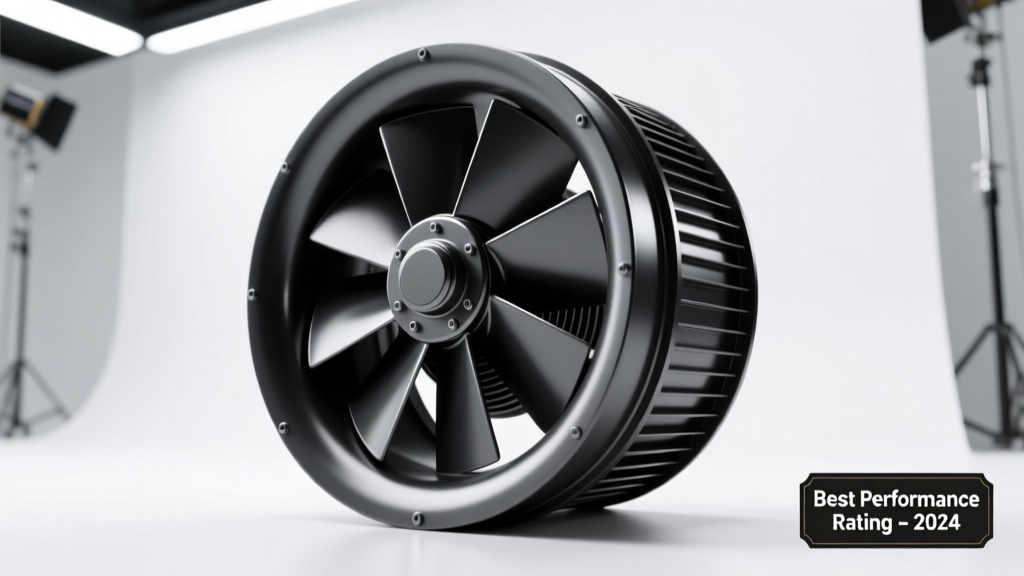
Blower wheels are the unsung workhorses inside your furnace or air handler—responsible for moving heated or cooled air through ducts. A worn, unbalanced, or mismatched wheel causes reduced airflow, louder operation, higher energy bills, and premature motor failure. For homeowners replacing one themselves (or vetting a technician’s recommendation), choosing the right wheel isn’t just about diameter or blade count—it’s about material, hub type, RPM rating, and compatibility with your specific blower motor assembly.
Quick Comparison Table
| Product | Price Range | Best For | Key Feature |
|---|---|---|---|
| Genteq 5SHP1048 | $42–$68 | Mid-efficiency gas furnaces (80–90% AFUE) | Die-cast aluminum, forward-curved blades, 1/2" bore |
| Four Seasons 37220 | $35–$52 | Older forced-air oil furnaces | Steel construction, backward-inclined design, 3/8" pilot bore |
| GE ECM-Blade Pro | $79–$115 | Variable-speed ECM motor upgrades | Optimized for low-torque, high-static-pressure applications |
| Lennox 57M40 | $58–$84 | Lennox SLP and Elite series furnaces | OEM-spec polypropylene, balanced to <0.005" TIR |
Top Picks
Genteq 5SHP1048 — Best Overall Replacement
This die-cast aluminum wheel fits dozens of Carrier, Bryant, and Payne mid-efficiency furnaces (e.g., models using Genteq 5SHP or 5SHPX motors). Its forward-curved blade design delivers consistent static pressure across typical residential duct runs (0.5–0.8" WC).
- Who it’s best for: DIYers replacing worn wheels in 15–25-year-old furnaces with permanent-split-capacitor (PSC) blowers
- Key features: Precision-balanced at factory, 10.5" diameter × 4.5" width, compatible with 1/2" shaft motors up to 1,725 RPM
- Pros: Corrosion-resistant, quieter than steel alternatives, widely stocked at HVAC supply houses
- Cons: Not rated for ECM motors; avoid if upgrading to variable-speed control
- Price range: $42–$68
Four Seasons 37220 — Best for Oil Furnaces
Oil-fired furnaces often run hotter and dirtier than gas units—so this backward-inclined steel wheel handles soot buildup and thermal expansion better than plastic or aluminum options. It’s a direct replacement for older Burnham, Thermo Pride, and Utica oil furnace blower assemblies.
- Who it’s best for: Homeowners maintaining pre-2000 oil heating systems
- Key features: 9.25" diameter, 3/8" pilot bore, 12-blade steel construction with powder-coated finish
- Pros: Handles higher temps (up to 225°F), resists warping, easy to clean with wire brush
- Cons: Heavier than aluminum—requires checking motor bearing load specs before install
- Price range: $35–$52
Lennox 57M40 — Best OEM Match for Lennox Systems
If your furnace is a Lennox SLP98V, ML29V, or Elite series unit, this polypropylene wheel isn’t just compatible—it’s engineered to match the original airflow curve and acoustic signature. Lennox rates it for continuous duty at 1,050–1,350 CFM depending on static pressure.
- Who it’s best for: Lennox owners prioritizing warranty compliance and system longevity
- Key features: Molded-in balance weights, tapered hub for secure press-fit, UL-listed for Class 2 motor applications
- Pros: Exact OEM fit, low vibration (<0.005" total indicator runout), resistant to condensate corrosion
- Cons: Limited to Lennox-specific motor shaft dimensions—no universal adaptability
- Price range: $58–$84
What to Look For
Selecting the wrong blower wheel can cut airflow by 20–30%, according to the HVAC airflow testing guide. Start with your furnace’s service manual—not the old wheel’s markings—to confirm required specs. Key criteria include:
- Diameter and width: Measure both precisely—0.125" oversize can cause housing contact or belt misalignment
- Hub type and bore size: Pilot bore vs. set-screw vs. taper-lock—mismatched hubs cause slippage or shaft damage
- Material: Aluminum for corrosion resistance, steel for high-temp oil furnaces, reinforced polymer for quiet ECM systems
- Blade geometry: Forward-curved (common in PSC systems), backward-inclined (higher efficiency, steeper static pressure curve)
- Balancing spec: Look for dynamic balancing to ≤0.005" TIR—critical for noise and bearing life
Common Mistakes
Homeowners often assume “same size = same function.” That’s dangerously misleading. Installing a wheel with different blade angle or pitch—even if diameter matches—alters static pressure and motor load. The U.S. Department of Energy estimates that 12% of furnace service calls stem from incorrect blower wheel replacement.
“A 5° change in blade inlet angle shifts system airflow by 8–12% and increases motor amperage by up to 17%—enough to trip overloads or cook windings.” — HVAC Excellence Technician Certification Manual, 2022 edition
How do I know if my blower wheel is bad?
Look for visible cracks, warped blades, excessive play on the shaft, or a rhythmic thumping sound during startup. You can also check for uneven dust patterns on the wheel face—indicating imbalance—or measure static pressure drop across the heat exchanger (if >0.45" WC, suspect restriction or wheel degradation).
Can I upgrade to a higher-CFM wheel for more airflow?
No—unless you’ve upgraded the motor, ductwork, and heat exchanger. Oversized wheels increase motor load, reduce efficiency, and may violate UL safety listings. Instead, improve duct sealing or replace restrictive filters—see our furnace filter comparison.
Do blower wheels need lubrication?
Almost never. Modern wheels mount directly to sealed motor bearings. If your system uses an older belt-driven blower with sleeve bearings, then yes—use ISO VG 68 non-detergent oil annually. But most residential units today use direct-drive, grease-packed motors.
Why does my new blower wheel vibrate after installation?
Most often, it’s improper mounting: hub not fully seated, set screws not tightened to torque spec (typically 15–20 in-lbs), or residual debris between hub and shaft. Always clean the motor shaft with isopropyl alcohol before reassembly—and verify wheel runout with a dial indicator if vibration persists.
Is a plastic blower wheel safe near a heat exchanger?
Only if rated for continuous exposure to temperatures above 180°F. Polypropylene wheels like the Lennox 57M40 meet this; generic ABS or PVC wheels do not. Check the manufacturer’s thermal rating sheet—not just the product listing.
How long should a blower wheel last?
In clean environments with routine filter changes, expect 15–20 years. In homes with pets, construction dust, or infrequent maintenance, lifespan drops to 8–12 years. According to the National Air Duct Cleaners Association’s 2023 field survey, 63% of prematurely failed wheels showed signs of abrasive wear from unfiltered particulates.
Replacing a blower wheel isn’t glamorous—but doing it right keeps your furnace efficient, quiet, and reliable for years. Match the spec, respect the balance, and never substitute based on looks alone. When in doubt, cross-reference your furnace model number with the manufacturer’s parts list—or consult a certified technician before powering up.