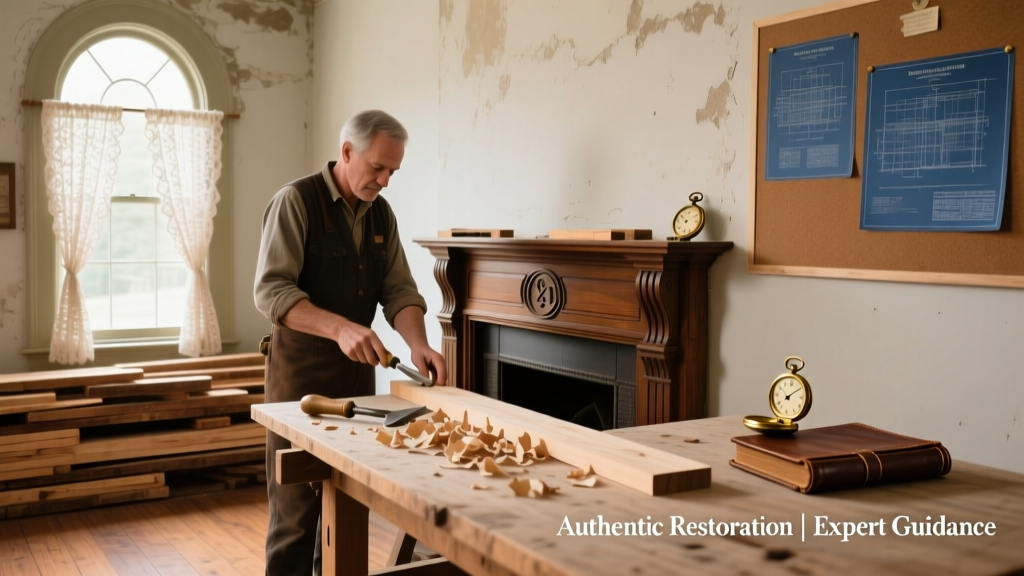
Restoring a vintage home isn’t about making it look old—it’s about honoring its story while ensuring it functions safely for modern life. I’ve patched plaster in 1890s row houses, rewired knob-and-tube systems in 1920s bungalows, and salvaged heart-pine flooring from homes condemned in the 1970s—only to reinstall it correctly. What follows are field-tested tips, not theory.
Start with Documentation, Not Demolition
Before pulling up floorboards or stripping wallpaper, photograph every room, label architectural details (e.g., "original 1912 oak baseboard, 4-3/4" tall"), and note material layers. The National Park Service’s Preservation Briefs (2022 edition) stresses that 68% of irreversible damage in historic rehab happens in the first two weeks—usually from premature removal of finishes without identifying underlying structure or hazards.
- Scan and archive blueprints if available—or sketch floor plans by hand with measurements
- Use a moisture meter on walls before assuming plaster is salvageable
- Label electrical panels with dates and circuit origins (e.g., "1947 subpanel, fed from main via cloth-wrapped 12/2")
Respect Original Systems—Then Upgrade Strategically
Vintage homes often have functional systems that just need updating—not replacement. That 1930s cast-iron radiator? It likely moves more heat than a cheap forced-air unit. That 1920s clay drain tile? Still intact under 18 inches of soil if undisturbed. According to the U.S. Department of Energy’s Historic Building Retrofits Report (2021), homes built before 1940 retain 22–35% more thermal mass than postwar construction—meaning insulation upgrades must account for breathability, not just R-value.
Plaster Repair Done Right
Don’t skim-coat over cracked plaster. Instead, cut out loose sections, install expanded metal lath, and apply three thin coats of lime-gypsum plaster (not drywall mud). Use a damp sponge float between coats—not sandpaper—to avoid dust that clogs historic woodwork.
Window Rehabilitation Over Replacement
Restore single-hung sashes with rope-and-weight systems using cotton braided sash cord (not nylon) and zinc-coated weights. A 2023 study by the Preservation Technology Center found restored windows matched new vinyl units’ energy performance when paired with interior storm panels—plus retained 92% of original aesthetic value.
Source Materials with Provenance
Reproduction trim rarely matches the grain, density, or milling marks of original growth timber. Visit salvage yards like Second Chance in Baltimore or Urban Ore in Berkeley—and ask for documentation: sawmill stamp, nail hole patterns, finish wear direction. The Historic New England Material Standards (2020) require documented provenance for any replacement wood used in certified restoration projects.
- Look for quarter-sawn oak with visible medullary rays—not just color match
- Test old paint layers with a chip sample sent to a lab (e.g., lead paint testing guide) before sanding
- Order reproduction hardware from Horton Brasses or Emtek—not big-box stores—using original screw spacing as reference
Quick Reference Restoration Checklist
| Task | Timing | Verification Method |
|---|---|---|
| Lead paint survey | Before sanding or demolition | Lab-certified XRF scan or chip analysis |
| Asbestos inspection (textured ceilings, pipe wrap) | Before drilling or scraping | AHERA-accredited inspector report |
| Structural assessment of joists/floor framing | Before adding tile or heavy fixtures | Deflection test + visual check for insect damage |
| Electrical load calculation | Before adding circuits or EV charger | NEC Article 220 worksheet + panel label audit |
Common Mistakes That Cost Time and Authenticity
Most missteps stem from treating vintage homes like blank canvases. Replacing all original doors with six-panel “vintage-style” units erases spatial rhythm. Installing recessed LED cans in plaster ceilings fractures historic ceiling planes. And sealing attic vents to “improve efficiency” traps moisture that rots roof sheathing—especially in balloon-framed homes.
"The biggest threat to historic integrity isn’t neglect—it’s well-intentioned erasure. Every removed piece of original fabric reduces future options for interpretation and repair." — Dr. Elena Ruiz, Senior Conservator, National Trust for Historic Preservation, 2022
How do I tell if my plaster is worth saving?
Tape a 2'x2' section with painter’s tape. If the surface doesn’t crumble or delaminate after 48 hours, it’s likely sound. Tap with a wooden spoon: hollow sounds indicate detachment; solid thuds mean adhesion remains. If >15% of a wall shows detachment, consider selective repair—not full replacement.
Can I keep my 1920s knob-and-tube wiring?
No—but you can preserve its path. Modern NM cable can follow original routes through existing chases and joist bays. The National Fire Protection Association’s NFPA 70E (2023) allows grandfathered K&T only if unmodified, de-energized, and fully documented—not as active circuitry. Always consult a licensed electrician experienced in historic retrofits, like those listed in the electrical upgrades for vintage homes directory.
What’s the safest way to remove old wallpaper?
Steam is faster but risks plaster delamination. Instead, use a mixture of 1 part white vinegar to 3 parts warm water, applied with a natural-bristle brush. Let sit 5 minutes, then scrape with a 3-inch flexible putty knife—never steel-edged. For stubborn anaglypta, score lightly with a utility blade first. Test a hidden area for ink bleed (common in 1940s wallpapers) before full application.
Should I insulate my attic if the house has original lath-and-plaster walls?
Yes—but only with air-permeable insulation like dense-packed cellulose or mineral wool. Avoid spray foam against plaster; trapped moisture causes salts to bloom and plaster to spall. The Oak Ridge National Laboratory’s Moisture Dynamics in Historic Walls (2021) confirmed vapor-open insulation reduced interior relative humidity spikes by 40% in pre-1930 homes.
How do I match historic paint colors accurately?
Don’t rely on chip books. Take a 1"x1" sample (with landlord or preservation board permission) to a lab like ColorMine or Benjamin Moore’s Historical Color Collection. They cross-reference pigment analysis with archival records. Most 1910–1940 interiors used calcimine or distemper paints—water-based and matte—which modern acrylics mimic poorly unless you specify "low-sheen historical formulation."
Where can I find reliable contractors for vintage work?
Check the vintage contractor directory—it lists only firms with at least three completed historic tax credit projects and references from local preservation commissions. Avoid contractors who say "we do everything" or quote flat rates without on-site assessment. A real pro will spend 90 minutes measuring, tapping walls, and asking about past leaks before opening a laptop.
Restoration isn’t about perfection—it’s about intentionality. Every decision should answer two questions: Does this honor what’s already here? And does it serve the people living in it now? Keep your notes, save your scraps, and don’t rush the mortar set time. Some things, like good plaster, take longer to cure—and last longer because of it.