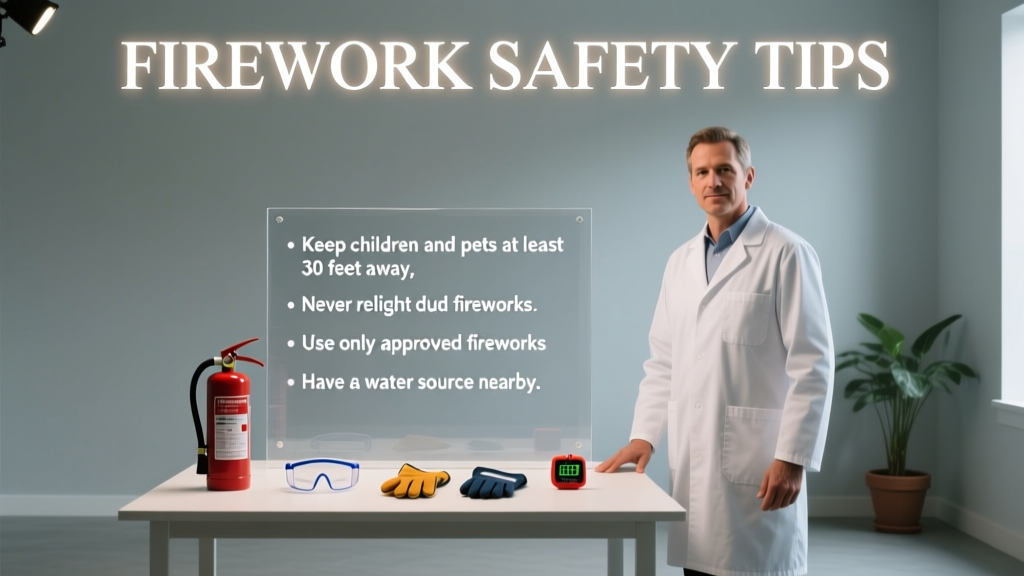
Every year, an average of 11,500 firework-related injuries land people in U.S. emergency rooms—nearly half involving children under 15 (CPSC Injury Data, 2023). Most happen not from illegal explosives, but from common backyard fireworks used without basic precautions.
Know Your Local Laws First
Firework legality varies by state, county, and even municipality—and enforcement is tightening. In 2023, 12 states banned all consumer fireworks outright, while 24 allowed only sparklers and novelty items like snakes or party poppers. Before buying anything, check your city’s fire department website or call your local code enforcement office. A $20 sparkler kit could cost you a $500 fine—or worse—if it’s prohibited where you live.
- Verify legality using the firework laws by state lookup tool
- Confirm whether your HOA or rental agreement prohibits outdoor ignition
- Check for active burn bans—many counties suspend all fireworks during drought conditions
Set Up a Safe Launch Zone
Aim for flat, open ground at least 25 feet from buildings, dry grass, trees, and power lines. Concrete driveways are ideal; avoid wooden decks or mulched garden beds. Always place fireworks upright in sand-filled buckets or metal tubes—not in flowerpots or plastic cups that can shatter.
Keep a 5-gallon bucket of water or garden hose with spray nozzle nearby—not just for dousing duds, but for cooling hot debris. According to the National Fire Protection Association, 40% of firework fires start because bystanders tried to relight malfunctioning devices instead of soaking them for 20 minutes first.
What to Do With a Dud
- Wait at least 20 minutes before approaching
- Soak it in water for 15+ minutes before disposal
- Never try to re-light, disassemble, or throw it
Supervise Sparklers Like Hot Knives
Sparklers burn at 2,000°F—hot enough to melt glass and stainless steel. Yet they’re often handed to toddlers without supervision. The CPSC reports sparklers cause more than 1,500 ER visits annually, mostly due to hand and face burns in kids under 5.
"Sparklers aren’t 'safe' fireworks—they’re the leading cause of pediatric firework injury. If you wouldn’t let a child hold a red-hot kitchen utensil, don’t give them a sparkler." — Dr. Lena Torres, Pediatric Emergency Medicine, Children’s Hospital Los Angeles, 2022
- Limit sparklers to children age 7+ with adult grip assistance
- Require flame-resistant gloves and closed-toe shoes
- Use only on concrete or gravel—never on grass or decking
Quick Reference: Firework Safety Checklist
| Action | When to Do It | Why It Matters |
|---|---|---|
| Check local fire restrictions | 72 hours before purchase | Avoid fines and spontaneous brush fires |
| Clear launch zone of debris & dry leaves | Day of use, before setup | Prevents ground-level ignition |
| Assign one sober adult as 'firework lead' | Before lighting begins | Eliminates distracted handling |
| Soak all spent devices overnight | Within 1 hour of use | Prevents delayed smoldering fires |
Common Mistakes That Cause Injury
Most firework incidents stem from predictable oversights—not bad luck. Here’s what seasoned pyrotechnic safety trainers see again and again:
- Lighting fireworks while holding them (especially bottle rockets)
- Using fireworks indoors—even 'indoor-safe' confetti poppers near curtains or HVAC vents
- Letting teens handle mortars without reading instructions aloud first
- Assuming 'legal' means 'risk-free'—even Class C fireworks can misfire or tip over
Remember: Alcohol and fireworks don’t mix. The CPSC found that 32% of adult firework injuries involved alcohol impairment in 2023.
Can I reuse a mortar tube?
No. Cardboard or fiber tubes degrade after one use and may split or ignite on second launch. Replace with new, manufacturer-approved tubes—or better yet, switch to reusable steel launch tubes rated for multiple firings.
Are aerial shells safe on residential lots?
Rarely. Most consumer-grade shells require minimum 100-foot clearance in all directions—and a clear 50-foot vertical path. If your yard is smaller than a tennis court, skip shells entirely. Opt for fountains or strobes instead.
How long should I wait before touching spent fireworks?
At least 30 minutes—and only after soaking in water. Residual embers in casings can stay hot for over 20 minutes. Never toss spent fireworks directly into trash bins.
Is it okay to modify fireworks?
Never. Taping together mortars, removing fuses, or drilling holes alters pressure dynamics and increases explosion risk tenfold. This violates federal explosives law (27 CFR § 555.141) and voids insurance coverage.
Do 'safe and sane' fireworks really exist?
The term is marketing—not regulation. California’s 'safe and sane' list still includes devices that cause hundreds of injuries yearly. Read the label: if it shoots, spins, explodes, or emits sparks beyond 3 feet, it carries real risk—even when used correctly.
Fireworks can be part of joyful, memorable celebrations—but only when treated with the same respect you’d give a power tool or propane grill. Start small, prioritize supervision over spectacle, and remember that the safest firework is the one that stays in the box until you’ve double-checked every condition. For more on seasonal home safety, see our summer safety checklist and outdoor electrical safety guide.