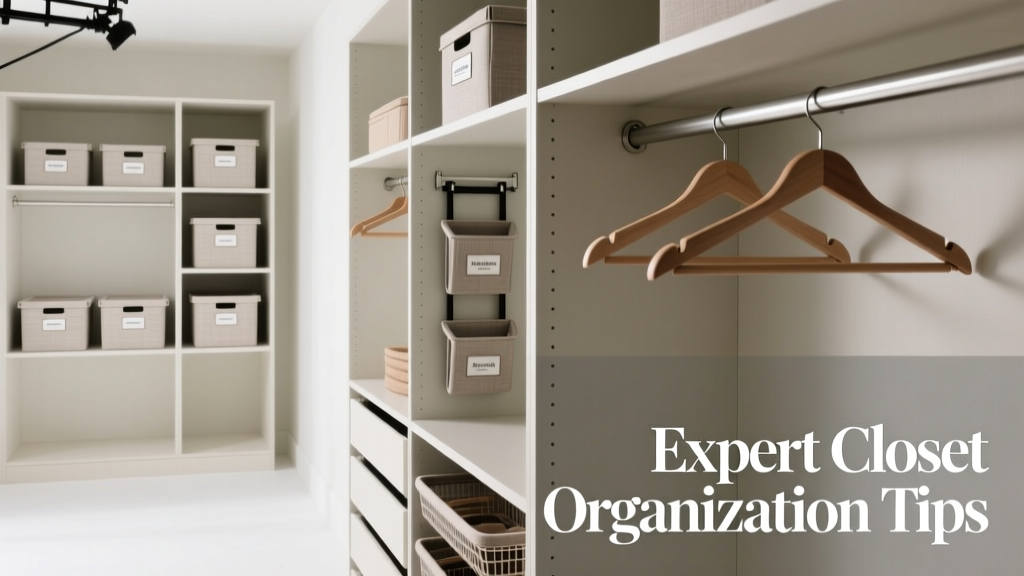
Half of all people open their closet each morning and waste 3–5 minutes searching for a matching shirt or pair of socks—according to the National Association of Professional Organizers’ 2022 Time Audit Study. That’s over 30 hours a year lost just to disorganization. The fix isn’t about buying more bins—it’s about designing systems that match how you actually dress, live, and move through your space.
Start with a Ruthless Edit
Before adding shelves or labels, remove everything. Lay it out on the bed or floor. Use the 90/90 rule: if you haven’t worn it in the last 90 days—and don’t have a concrete plan to wear it in the next 90—donate, sell, or recycle it. This applies even to ‘just-in-case’ items like formal gowns or ski jackets (unless you use them seasonally).
- Keep a donation bin in your laundry room year-round—drop items in as you find them
- Photograph ‘maybe’ pieces and set a 14-day reminder to decide
- For sentimental items (e.g., baby clothes), limit yourself to one archival box per child
Zone Your Closet by Frequency & Function
Your closet should mirror your routine—not your retailer’s display. Group items by how often you reach for them and what they do. Hang daily tops at eye level (48"–60" from floor), seasonal outerwear higher up (72"+), and folded knits on lower shelves (18"–36") where bending is easy.
According to the Container Store’s 2023 Home Organization Survey, 68% of respondents reported fewer clothing decisions when zones matched their weekly habits—like keeping workwear together with shoes and bags in one vertical column.
“The biggest mistake I see? Hanging dress shirts next to workout tees. Your brain scrambles to switch contexts. Separate by *use*, not color or garment type.” — Lena Cho, certified closet designer and founder of Closets By Design Chicago (2023)
Daily Wear Zone
- Hang: Work blouses, button-downs, blazers, jeans (on sturdy hangers)
- Shelf: Rolled t-shirts, leggings, undershirts (in labeled fabric bins)
- Floor: Daily shoes—only 3–5 pairs max, facing outward
Seasonal & Occasional Zone
- Hang: Off-season coats, formal dresses (in breathable garment bags)
- Top shelf: Vacuum-sealed bins for winter sweaters or swimwear
- Back wall: Labeled boxes for event-specific items (e.g., “Wedding Guest Kit”)
Invest in Smart, Low-Cost Hardware
You don’t need custom cabinetry to upgrade function. Focus on three high-impact upgrades: double-hang rods (adds ~40% hanging capacity), adjustable shelf standards (lets you reconfigure every 2”), and slim velvet hangers (they hold 3x more than wire). Measure your current rod height before ordering—standard is 66", but 72" works better for long coats if ceiling height allows.
| Upgrade | Avg. Cost | Time Saved/Wk | Long-Term Lifespan |
|---|---|---|---|
| Velvet hangers (24-pack) | $18 | 8 min | 5+ years |
| Double-hang kit + rods | $42 | 22 min | 10+ years |
| Adjustable shelf standards | $29 | 14 min | 15+ years |
Quick Reference: The 10-Minute Maintenance Routine
Set a recurring Sunday 7:15 a.m. alarm. That’s all it takes to keep your system running—no weekend marathons needed.
- Return misfiled items to their zone (2 min)
- Vacuum closet floor and wipe shelf edges (3 min)
- Check hangers: flip any facing backward (sign it’s unworn; review monthly) (2 min)
- Empty one junk drawer or shoe cubby (3 min)
Common Mistakes That Sabotage Long-Term Order
Even well-intentioned organizers fall into traps that unravel progress within weeks. These aren’t minor oversights—they’re structural flaws.
- Using mismatched hangers: Wire + wood + plastic = visual noise and uneven spacing. Replace all at once—even thrift stores sell bulk velvet hangers for $5.
- Overloading shelves: More than two stacked sweater folds causes crushing and stretching. Use shelf dividers or vertical file folders for folded items.
- Ignoring lighting: 40% of closets lack task lighting (U.S. Department of Energy, Residential Lighting Report 2022). Swap overhead bulbs for 3000K LED puck lights under shelves.
- Storing off-season items inside the closet: It wastes prime real estate. Move them to under-bed bins or attic storage—freeing up 2–3 linear feet.
How do I organize a shared closet with my partner?
Divide vertically—not by side. Assign top/middle/bottom zones per person (e.g., her blouses at eye level, his suits above, shared linens below). Use color-coded hanger hooks or subtle label stickers on shelf edges—not visible from the door. For joint items like guest towels or travel kits, keep them in a separate linen closet organization system instead.
What’s the best way to store shoes without a shoe rack?
Use clear, stackable shoeboxes (like Stack-On Clear Storage Boxes) with photos taped to the front—no guessing. Or repurpose shallow kitchen cabinets: mount L-brackets inside doors to hang 4–6 pairs vertically. Avoid stacking more than three pairs high—they’ll topple and scuff soles.
Can I organize a tiny closet (< 36" wide) effectively?
Absolutely—if you ditch hanging for folding. Install one 12" deep shelf at 42" (for folded jeans, tees, hoodies) and add a single pull-down rod at 78" for dresses or robes. Use vacuum bags for off-season layers and hang belts/scarves on the inside door with over-the-door hooks. See our small space organization guide for full dimensions and hacks.
How often should I reorganize my closet?
Twice yearly—aligned with seasonal wardrobe swaps (mid-March and mid-September). But do the 10-minute maintenance weekly. That’s enough to catch drift before it becomes chaos. According to the NAPO study, people who skip maintenance beyond 3 weeks are 3.2x more likely to abandon their system entirely.
Do color-coded closets really help?
Only if you’re naturally color-oriented. For most people, grouping by category (work, casual, exercise) saves more decision time than rainbow order. But if color helps *you* scan faster, go for it—just keep neutrals (black, navy, gray, white) together in one block for quick pairing.
Organized closets aren’t about perfection—they’re about reducing friction between intention and action. When your coat is where your hand lands, your keys sit beside your bag, and your favorite jeans aren’t buried under last winter’s scarf, getting ready stops feeling like a chore. Start small: pick one zone this week, swap your hangers next Tuesday, and notice how much calmer your mornings become.