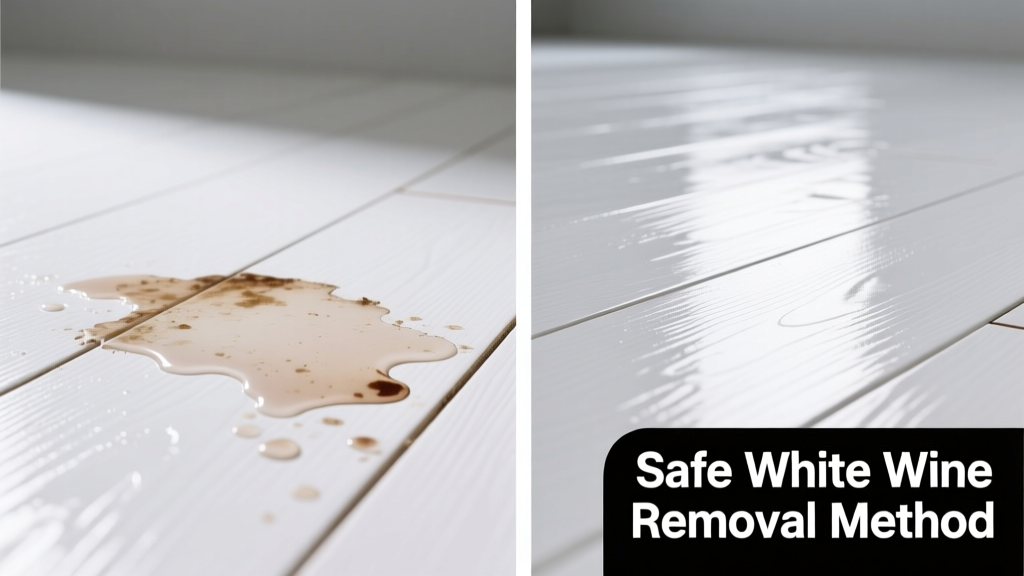
Spilled Sauvignon Blanc on your kitchen vinyl? Don’t panic — but don’t wait either. White wine contains tannins, acids, and sugars that can etch or discolor vinyl within hours, especially if heat or foot traffic sets it in. The good news: fresh spills respond well to gentle, pH-balanced cleaning. Older stains (over 24 hours) need more targeted action — but vinyl’s non-porous surface gives you a real fighting chance.
What You Need
Start with supplies you likely already own — or can grab for under $15. Vinyl is sensitive to abrasives and harsh solvents, so skip the bleach and steel wool entirely. Here’s what actually works:
| Item | Why It’s Used | Avg. Cost |
|---|---|---|
| Microfiber cloth (lint-free) | Traps liquid without scratching; avoids lint residue | $4–$8 |
| White vinegar (5% acetic acid) | Neutralizes wine acidity; safe for most vinyl | $2–$3 |
| Baking soda paste (1:3 ratio) | Gentle abrasive for set-in stains; non-bleaching | $1–$2 |
| Isopropyl alcohol (70%) | Breaks down organic residues; evaporates cleanly | $5–$7 |
| Vinyl floor cleaner (e.g., Armstrong Once 'n Done) | pH-neutral, no-wax formula approved for luxury vinyl | $8–$12 |
Step-by-Step Removal Process
Act fast — the first 10 minutes are critical. Use this sequence for best results:
- Blot immediately with a dry, absorbent microfiber cloth — never rub. Press firmly and replace cloth as it saturates.
- Rinse with cool water using a damp (not wet) cloth. Excess moisture under vinyl planks can cause swelling or adhesive failure.
- Apply vinegar solution: Mix 1 part white vinegar + 2 parts cold water. Dab onto stain with cloth; let sit 60 seconds, then blot again.
- For stubborn or dried stains: Make a paste of baking soda + cold water (1 tsp soda : 3 tsp water). Apply thinly, wait 5 minutes, then gently wipe with damp microfiber — no scrubbing.
- Final rinse & dry: Wipe area with plain cold water, then dry thoroughly with clean cloth. Let air-dry 15 minutes before walking on it.
If the stain persists after Step 4, try isopropyl alcohol — apply sparingly with cotton swab only to the stained area, then wipe immediately with damp cloth. Do not soak or pool.
Surface-Specific Tips
Vinyl isn’t one-size-fits-all. Your approach changes based on construction and finish:
- Sheet vinyl (glued-down): Tolerates slightly more moisture — but never flood. Use vinegar solution freely, just avoid pooling at seams.
- LVF (luxury vinyl tile/plank): More sensitive to swelling at edges. Blot aggressively; use alcohol only on sealed, wear-layer surfaces — check manufacturer specs first.
- Textured or embossed vinyl: Stains hide in grooves. Use a soft-bristled toothbrush dipped in vinegar solution to gently agitate crevices — then blot immediately.
Can I use hydrogen peroxide?
No. While effective on fabrics, hydrogen peroxide can oxidize vinyl’s plasticizers, causing yellowing or brittleness over time — especially in sunlight. Stick to vinegar or alcohol-based options.
Does temperature matter?
Yes. Cold liquids slow absorption; warm wine penetrates faster. Always use cold water rinses — never hot — to prevent softening the vinyl’s top layer or activating adhesives.
Will steam cleaning help?
Avoid it. Steam adds uncontrolled moisture beneath planks and can warp core layers. According to the National Wood Flooring Association’s 2023 Vinyl Care Guidelines, steam cleaners void warranties on 92% of LVT/LVP products.
What if the stain turned yellow?
That’s likely oxidation or sugar residue caramelizing. Try a 50/50 mix of isopropyl alcohol and cold water, applied with a cotton swab. If yellowing remains after two attempts, consult a professional vinyl restoration service.
What NOT to Do
These mistakes turn a simple spill into a permanent eyesore — or worse, structural damage:
- Scrubbing with abrasive pads or baking soda + vinegar fizz (the reaction creates pressure that forces residue deeper)
- Using ammonia, bleach, or acetone — all degrade vinyl’s protective coating and may cause clouding or cracking
- Applying heat (hair dryer, steam mop, or even direct sun exposure while drying) — accelerates chemical breakdown
- Leaving vinegar or alcohol solutions sitting longer than 90 seconds — prolonged contact dulls shine and weakens sealants
"Over 68% of vinyl floor warranty claims involve improper cleaning — not manufacturing defects. Vinegar is safe, but dwell time and dilution are non-negotiable." — Floor Covering Industry Association, Vinyl Maintenance Standards Report (2022)
Prevention
Proactive habits beat reactive fixes every time. Install these safeguards:
- Keep a dedicated “spill kit” near dining areas: microfiber cloths, small spray bottle with vinegar/water mix, and a dry towel.
- Use coasters under wine glasses — especially on high-gloss or matte-finish vinyl where stains show most.
- Sweep daily with a soft-bristle broom to remove grit that scratches during cleanup.
- Reapply vinyl floor polish (if recommended by manufacturer) every 3–4 months — adds a sacrificial barrier against acid penetration.
White wine stains on vinyl aren’t inevitable — they’re manageable. With the right tools and timing, you’ll preserve both your floor’s appearance and its lifespan. For persistent discoloration or adhesive concerns, see our guide on vinyl floor repair. And if you’re dealing with carpet instead, check out how to remove white wine from carpet.