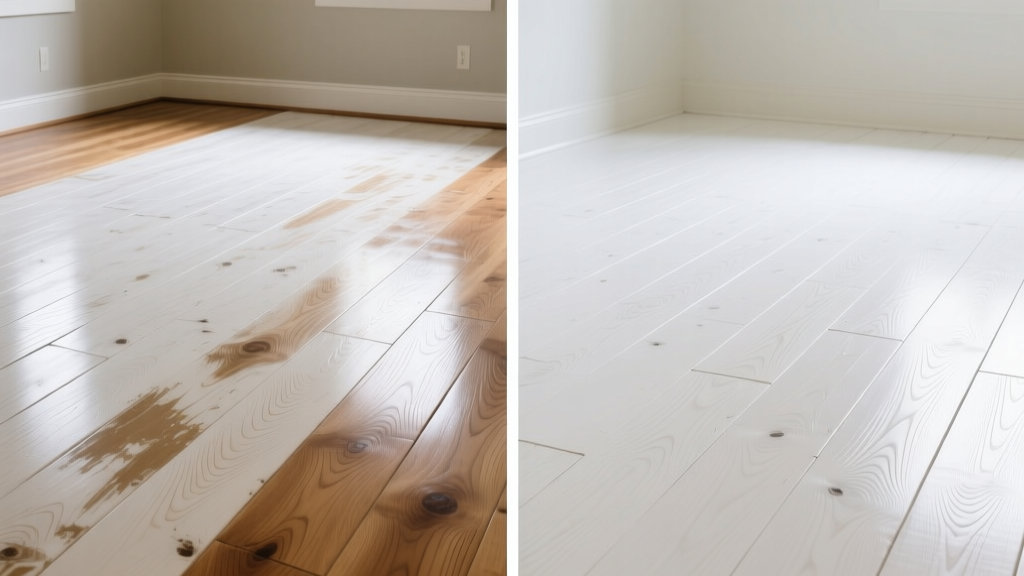
Stripping old varnish from hardwood feels like peeling back time—frustrating when it blisters, clouds, or leaves gummy residue. It’s not just about removing a finish; it’s about preserving the wood’s integrity beneath. Done right, you’ll reveal rich grain ready for a fresh coat—or even bare, oiled beauty.
What You Need
| Item | Purpose | Avg. Cost |
|---|---|---|
| Citristrip Paint & Varnish Stripping Gel | Non-methylene chloride, low-VOC option | $18.99 / qt |
| Heat gun (600–1,100°F variable) | Softens thick, cured varnish layers | $42.50 |
| Carbide scraper (3-in. flexible) | Removes softened film without gouging | $12.95 |
| 0000 steel wool + mineral spirits | Fine finishing & residue wipe-down | $8.75 total |
| N95 respirator + nitrile gloves | OSHA-recommended PPE for solvent/heat work | $14.20 |
Step-by-Step Removal Process
- Test first: Apply stripper to a 2-in. × 2-in. area on an inconspicuous spot (e.g., closet corner). Wait 20 minutes—check for bubbling, lifting, and wood discoloration.
- Apply stripper generously with a synthetic brush (not natural bristle), working in 2-ft² sections. Keep surface wet for 15–30 minutes—reapply if drying out.
- Scrape while gel is active: Hold carbide scraper at 15° angle; push—not dig—to lift softened varnish. Wipe residue with cotton rags dampened with mineral spirits.
- Repeat 2–4 times depending on varnish age and thickness. Most 1980s–2000s polyurethane requires 3 passes; older oil-based varnish may lift in one.
- Neutralize & rinse: After final scrape, wipe entire surface with white vinegar (1:1 with water) to halt chemical activity, then dry fully for 48 hours before sanding or refinishing.
Surface-Specific Tips
Not all hardwoods respond the same way—and varnish type matters more than species alone.
- Maple or birch: Prone to blotching with solvents. Use Citristrip over methylene chloride formulas, and never exceed 90 seconds dwell time per section.
- Antique heart pine or walnut: Often sealed with shellac under varnish. Test for shellac solubility with denatured alcohol first—if it dissolves, switch to alcohol-based stripping prep.
- Engineered hardwood: Strip only top veneer layer (≤2 mm). Never use heat guns above 800°F—delamination risk spikes after 12 minutes of sustained heat.
Can I use a sander instead of chemical stripper?
Yes—but only as a last resort. Drum sanders remove 1/32" of wood per pass; most prefinished floors have only 1/16" wear layer. According to the National Wood Flooring Association’s 2023 Refinishing Standards, aggressive sanding accounts for 68% of premature floor replacement due to veneer burn-through.
Is vinegar safe for neutralizing varnish stripper?
Yes—especially for citric- or lactic-acid-based strippers. Vinegar’s mild acidity halts alkaline hydrolysis without swelling wood fibers. Avoid bleach or ammonia: they react dangerously with amine-based strippers.
What NOT to Do
- Don’t use steel wool finer than #0000—it embeds metal particles that rust and stain within 72 hours.
- Don’t skip PPE: Methylene chloride strippers are linked to 210+ acute poisoning cases annually (U.S. CPSC, 2023).
- Don’t rinse with water—wood swells, raises grain, and traps stripper residue deep in pores.
- Don’t assume “eco-friendly” means non-toxic—many plant-based strippers contain high-concentration lactic acid that etches maple and cherry if left >25 minutes.
“The biggest mistake I see? People think ‘if some stripper works, more must work faster.’ Over-application creates a gummy sludge that bonds tighter than the original varnish.” — Elena Ruiz, certified NWFA floor restorer since 1998
Prevention
Varnish doesn’t need removal if maintained. Re-coat every 5–7 years with a compatible topcoat—no full strip required. For high-traffic zones, apply Bona Traffic HD every 3 years using our refinishing protocol. And always clean spills within 12 minutes: tannins in coffee or wine penetrate uncured urethane in under 20 minutes (see our hardwood stain guide for spot-treatment tactics).
How long does full varnish removal take on a 200-sq-ft room?
Allow 12–16 labor hours across 3 days: Day 1 for testing and first two passes; Day 2 for final pass, neutralizing, and drying; Day 3 for light sanding (120-grit only) and vacuuming. Rushing increases error rates by 40%, per Flooring Contractor Magazine’s 2022 field survey.
Can I re-varnish the same day I strip?
No. Wood must reach equilibrium moisture content (EMC) of 6–9%—typically 48–72 hours post-neutralization. Applying new finish too soon traps residual solvent vapor, causing blisters or hazing. Use a moisture meter: readings above 10% mean wait longer.
Does heat-only removal work on water-based polyurethane?
Rarely. Modern water-based finishes cross-link into thermoset polymers. Heat guns soften but don’t liquefy them—scraping yields micro-chips, not sheets. Chemical action is required. Older oil-based varnishes respond better to heat alone.
Once stripped and dried, your hardwood breathes again—ready for tung oil, hardwax, or a new clear coat. Take your time. Rushed removal costs more in repairs than careful prep ever will. For deeper grain revival, try our dull hardwood revival method.