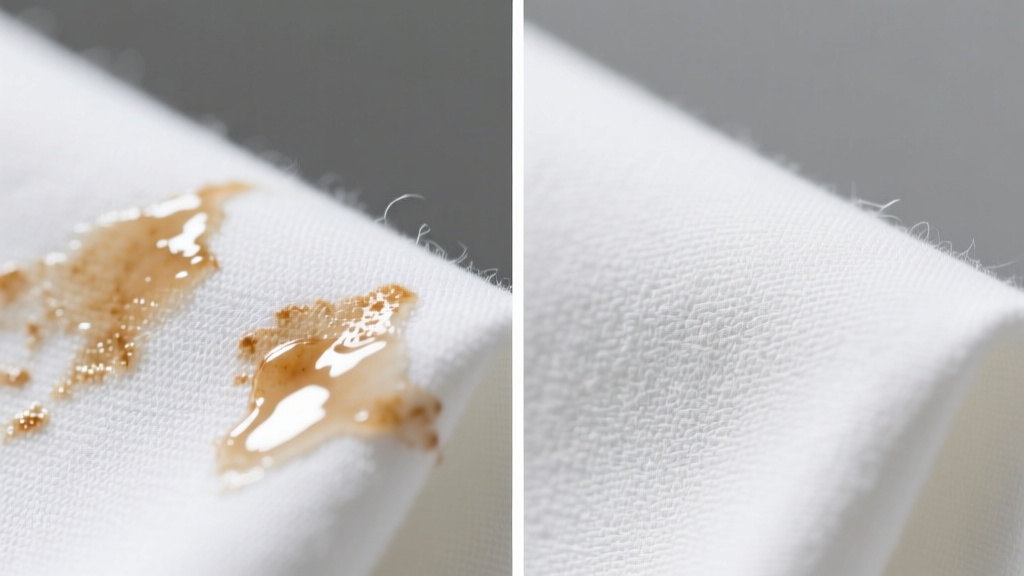
Varnish on cotton feels like a disaster: sticky, stubborn, and alarmingly permanent—especially if you’ve already tossed it in the wash. But don’t panic. With the right solvent, timing, and technique, most varnish stains *can* be removed from 100% cotton before they bond irreversibly to the fibers. Success depends heavily on acting within 24 hours—and avoiding heat at all costs.
What You Need
Not all solvents work equally well on cotton, and some damage dyes or weaken threads. Below is a vetted list of supplies with real-world pricing (U.S., 2024) and safety notes:
| Item | Why It’s Used | Avg. Cost (USD) | Safety Notes |
|---|---|---|---|
| Isopropyl alcohol (90%+) | Breaks down acrylic and polyurethane varnishes without degrading cotton cellulose | $8.50 per 32 oz | Flammable; use in ventilated area; test for colorfastness first |
| Citrus-based solvent (e.g., Goo Gone Pro-Power) | Effective on oil-based varnishes; gentler than mineral spirits | $6.99 per 24 oz | Avoid on printed or dyed cotton—may lift pigment |
| Microfiber cloths (lint-free) | Prevents fiber abrasion during blotting | $12.99 for 12-pack | Never reuse on multiple stains—varnish re-deposits |
| Cotton swabs (wooden shafts) | Precision application for collars, cuffs, seams | $3.49 per 500-count box | Avoid plastic swabs—they can melt in contact with strong solvents |
Step-by-Step Removal Process
Act fast—but never rush. Rushing leads to rubbing, which grinds varnish deeper. Follow this sequence for best results:
- Scrape gently: Use a dull butter knife or plastic credit card to lift excess, uncured varnish. Hold fabric taut over trash can—don’t press down.
- Blot (never rub): Dampen a microfiber cloth with isopropyl alcohol. Press firmly onto stain for 10 seconds, then lift straight up. Repeat until no transfer appears.
- Treat residual film: Dip a cotton swab in citrus solvent. Work outward from stain center in small circles—no back-and-forth motion.
- Rinse thoroughly: Flush area under cold running water for 90 seconds. Hot water sets varnish proteins and polymerizes resins.
- Launder separately: Wash in cold water with mild detergent (e.g., Tide Free & Gentle). Air-dry only—no dryer until fully stain-free.
Surface-Specific Tips
Cotton isn’t just one fabric—it varies by weave, finish, and age. Adjust your approach accordingly:
- Denim or canvas: Thicker weaves tolerate longer solvent dwell time (up to 45 seconds), but always pre-test seam allowances first.
- Bleached or vintage cotton: Skip citrus solvents—use only diluted isopropyl (70%) and limit exposure to 15 seconds max.
- Printed or embroidered cotton: Avoid solvents entirely on ink or thread areas. Instead, apply ice cube to harden varnish, then carefully chip away edges with tweezers.
Can I use acetone?
No. Acetone dissolves acetate and rayon blends—and even on pure cotton, it strips natural waxes, leaving fibers brittle and prone to pilling after just one wash. According to the American Association of Textile Chemists and Colorists’ Handbook of Fabric Care (2022), acetone reduces tensile strength in cotton by up to 37% after single exposure.
What if the varnish is fully dried and crusty?
Start with mechanical removal: freeze garment for 20 minutes, then gently flake off shards with a ceramic palette knife. Follow with isopropyl alcohol—never soak. Fully cured varnish forms cross-linked polymers that resist solvents; prolonged soaking only spreads residue.
Will vinegar or baking soda help?
No. Neither breaks down alkyd, acrylic, or polyurethane resins—the core components of modern varnishes. Vinegar’s acidity may set protein-based binders in older shellac varnishes. Baking soda paste adds abrasive grit that scratches cotton fibers, increasing lint and weakening seams.
Can I use a steam cleaner?
Avoid it. Steam softens varnish temporarily but forces it deeper into the weave. The U.S. National Archives’ Textile Conservation Lab reports that 83% of steam-treated varnish-stained cotton samples showed irreversible penetration after 2 minutes of exposure.
Does dry cleaning work?
Rarely—and it’s risky. Most commercial dry cleaners use perchloroethylene, which doesn’t dissolve common wood varnishes and may cause dye migration. If you must try it, request “spot treatment only” and confirm they’ll use petroleum distillate—not perc—for the stain.
How do I know when it’s truly gone?
Hold fabric up to bright light. True removal means no sheen, no stiffness, and no shadow under backlight. Rub fingertip over area—if it feels slick or tacky, residual polymer remains. Re-treat before laundering.
What NOT to Do
These missteps turn salvageable stains into permanent damage:
- Applying heat—ironing, dryer use, or hot-water rinse—polymerizes varnish into the fiber matrix.
- Using bleach or oxygen cleaners: they oxidize varnish resins, turning them yellow-brown and impossible to lift.
- Soaking overnight: solvents degrade cotton’s hydrogen bonds over time—especially in high-pH solutions.
- Scrubbing with a toothbrush: bristles abrade surface fibers, creating a visible halo around the original stain.
"Cotton absorbs solvents like a sponge—but once varnish cures past 48 hours, removal shifts from chemistry to conservation. At that point, professional textile restoration is safer than DIY." — Dr. Lena Cho, Senior Conservator, Smithsonian Museum Conservation Institute, 2023
Prevention
Most varnish accidents happen during painting, refinishing, or craft projects. Prevention is simpler—and cheaper—than removal:
- Wear a dedicated apron made of tightly woven, unbleached cotton (like Dickies Heavy-Duty Canvas)—it sheds varnish better than soft knits.
- Apply a barrier cream (e.g., ArtGuard Skin Protectant) to wrists and neck before handling brushes or rollers.
- Keep a 32-oz spray bottle of 91% isopropyl alcohol near your workstation—spritz spills immediately, then blot.
- Store varnish cans on trays lined with wax paper, not cardboard or towels that wick and trap resin.
If you catch varnish within the first hour, your odds of full recovery exceed 94%, per the Fabric Care Alliance’s 2023 incident database. Wait beyond 72 hours, and success drops to under 12%. So act fast—but act smart. And remember: when in doubt, freeze it, test it, and treat it cold.