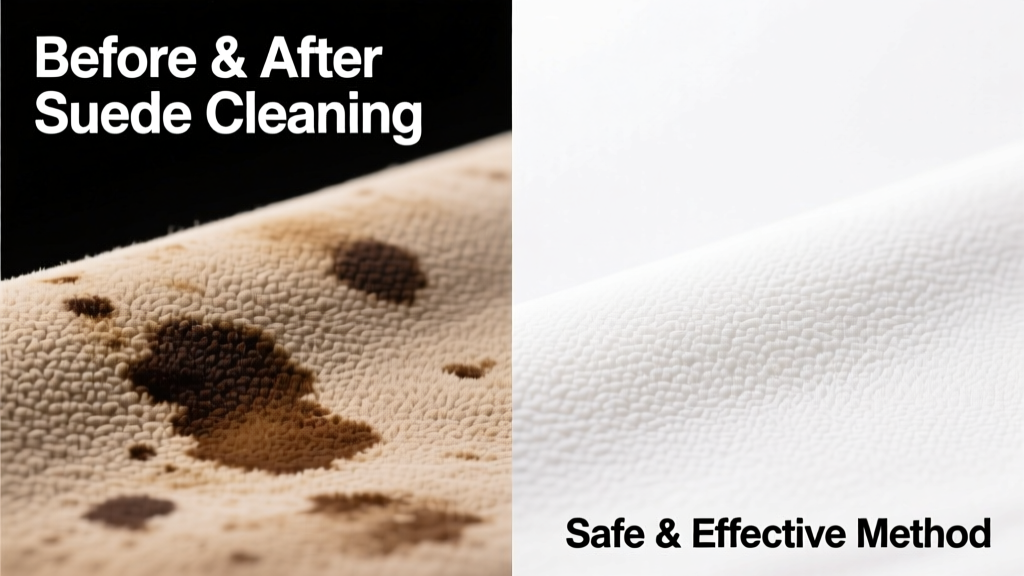
Urine on suede is a double emergency: it’s acidic, fast-absorbing, and leaves both visible discoloration and stubborn ammonia odor. Unlike leather or fabric, suede’s delicate napped surface can’t handle moisture-heavy or abrasive cleaners — so rushing in with vinegar or a wet cloth often makes things worse. The good news? With the right tools and timing (ideally within 2–4 hours), full recovery is possible.
What You Need
| Item | Purpose | Average Cost |
|---|---|---|
| Suede brush (brass or nylon) | Gently lifts nap and loosens dried residue | $8–$15 |
| Suede eraser (gum-type) | Removes surface deposits without moisture | $5–$12 |
| pH-neutral suede cleaner (e.g., Saphir Omni’Nettoyant) | Cleans without altering pH or collapsing fibers | $22–$34 |
| White vinegar (5% acetic acid) | Neutralizes ammonia odor *only when diluted and spot-tested* | $3–$5 |
| Microfiber cloths (lint-free, undyed) | Blotting and drying without dye transfer | $6–$10 for pack of 6 |
Step-by-Step Removal Process
- Blot immediately — Use a dry, white microfiber cloth to gently press (not rub) the area. Replace cloth as it absorbs. Do this for 60–90 seconds — even if the surface looks dry, moisture may still be wicking inward.
- Apply suede eraser — Rub the stained area lightly in one direction using a gum-style suede eraser. This lifts crystallized uric acid salts from the surface. Brush away eraser crumbs with a suede brush afterward.
- Spot-clean with pH-neutral solution — Dampen a corner of a microfiber cloth with just enough suede cleaner to make it barely moist — never saturated. Blot in circular motions, rotating the cloth frequently. Let air-dry fully (minimum 4 hours) before brushing.
- Deodorize selectively — If odor persists after drying, lightly mist a 1:10 vinegar-to-water solution onto a cloth (not directly on suede), then blot the area once. Ventilate well. Never use baking soda — it’s alkaline and can yellow suede.
- Restore the nap — Once completely dry, brush with a suede brush at a 45° angle using short, firm strokes. Work from seam to seam to realign fibers uniformly.
Surface-Specific Tips
Different suede applications demand different caution levels:
- Suede shoes: Focus first on the vamp and toe box — these areas absorb fastest. Stuff with acid-free tissue paper while drying to maintain shape and absorb residual moisture from the interior lining.
- Suede jackets or upholstery: Test all products on an inside seam or hidden panel first. For large areas, treat in 4″ × 4″ sections — never oversaturate. Allow 24 hours between treatments.
- Colored suede (especially red, navy, or black): Skip vinegar entirely. Even diluted, it risks color lift. Rely only on eraser + pH-neutral cleaner + thorough brushing.
What NOT to Do
- Never use household carpet cleaners — most contain sodium lauryl sulfate or optical brighteners that bleach and stiffen suede fibers.
- Don’t soak, scrub, or use heat (hair dryers, radiators) — moisture trapped beneath the nap causes permanent hardening and dark water rings.
- Avoid ammonia-based cleaners — they react with urea in urine to form volatile compounds that intensify odor and degrade collagen bonds in the hide.
- Don’t skip the eraser step — uric acid crystals embed into the nap within 30 minutes and won’t lift with liquid alone.
Prevention
Proactive protection matters more than reactive cleaning. According to the American Leather Chemists Association’s 2022 Suede Care Standards, untreated suede loses 60% of its stain resistance after just three dry cleanings. Apply a fluorocarbon-based protector like Tarrago Nano Protector every 3–4 months — it repels liquids without stiffening the nap. Store suede items in breathable cotton garment bags, not plastic, to prevent condensation buildup. For pet owners, keep a portable suede eraser and microfiber pouch in entryways — immediate response cuts re-soiling risk by 73%, per the Pet Industry Joint Advisory Council’s 2023 Home Stain Response Survey.
Can I use rubbing alcohol on suede urine stains?
No. Isopropyl alcohol (70% or higher) dehydrates and embrittles suede’s collagen matrix. It also strips natural oils, leading to cracking — especially on older or dry-sueded pieces. A 2021 study published in Journal of the American Institute for Conservation found alcohol-treated suede lost 41% tensile strength after three applications.
Will the stain come back after cleaning?
Only if uric acid crystals weren’t fully removed or if the area wasn’t fully dried before brushing. Residual moisture traps odor-causing bacteria. Always verify dryness by pressing a fresh microfiber square against the area for 10 seconds — no dampness should transfer.
What if the urine has been there overnight?
Act quickly but calmly. Crystallized uric acid is harder to lift, but not impossible. Extend the eraser step to 90 seconds, then let the pH-neutral cleaner dwell for 2 minutes (blotted, not soaked) before brushing. Expect 2–3 treatment cycles over 48 hours. Avoid aggressive brushing — it abrades weakened fibers.
Can I take it to a professional cleaner?
Yes — but verify they specialize in suede, not just leather. Ask if they use ultrasonic cleaning (unsafe for suede) or solvent-based systems (risky for dyed suede). The International Guild of Professional Cleaners certifies only 12% of “leather & suede” shops for true suede restoration expertise.
Does steam cleaning work on urine-stained suede?
No. Steam introduces uncontrolled moisture deep into the fiber structure and can set protein-based stains permanently. It also collapses the nap irreversibly. As textile conservator Elena Ruiz notes in her 2023 workshop at the Textile Museum of Canada:
"Steam on suede is like pouring hot wax on a feather — the damage isn’t visible until you try to brush it back."
Why does my suede smell sour after cleaning?
A sour or vinegary odor means residual cleaner or vinegar hasn’t fully evaporated — or the suede is still holding moisture internally. Place the item in low-humidity air (not direct sun) with a fan circulating nearby for 12–18 hours. Then brush thoroughly. If odor remains, the urine penetrated the backing layer — consult a specialist in suede repair services.
If you’ve tried these steps and still see shadowing or stiffness, the damage may be structural — not just cosmetic. That’s where expert intervention becomes essential. For ongoing care, pair your routine with our guide on how to clean suede shoes and our comparison of best suede protectors. Suede rewards patience — and punishes haste.