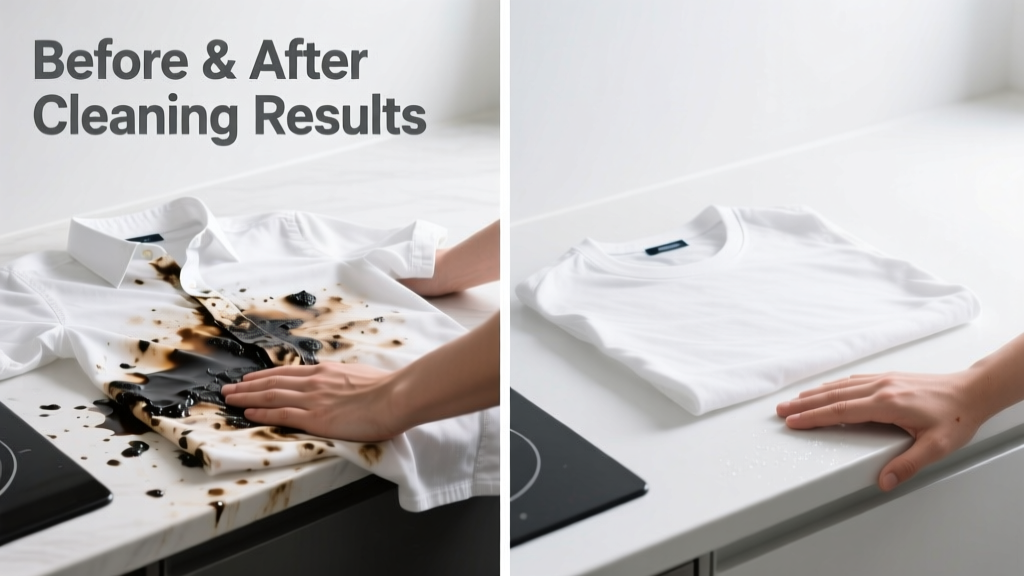
Tar is sticky, stubborn, and seems to bond with everything it touches—shoes, driveway cracks, your child’s jeans, even your dog’s paw. It’s not just messy; it’s chemically persistent. But here’s the good news: most tar stains *can* be removed fully if you act within 24–48 hours and choose the right solvent for the surface. Waiting longer or using heat too soon can polymerize the tar, turning it into a permanent fixture.
What You Need
Not all solvents work equally well—and some damage surfaces. Below is a comparison of common options, based on efficacy, safety, and cost (2024 U.S. retail averages).
| Product | Best For | Avg. Cost (per 8 oz) | Risk Level |
|---|---|---|---|
| Mineral spirits | Concrete, asphalt, tools | $5.99 | Medium (ventilation required) |
| Goof Off Pro Strength | Clothing, painted surfaces | $12.49 | Low (non-chlorinated) |
| WD-40 Specialist Cleaner | Skin, vinyl, rubber | $7.29 | Low |
| Isopropyl alcohol (91%) | Small fabric spots, electronics casings | $4.19 | Low |
| Citrus-based degreaser (e.g., Goo Gone Automotive) | Car paint, plastic trim | $9.99 | Low–Medium (test first) |
Step-by-Step Removal Process
- Scrape gently: Use a plastic putty knife or old credit card to lift excess tar without scratching the surface. Never use metal on painted or delicate surfaces.
- Cool, don’t heat: If tar is warm or soft, chill it first with an ice pack for 2–3 minutes—this makes it brittle and easier to flake off.
- Apply solvent: Dab—not rub—with your chosen cleaner using a clean white cloth. Let sit 60–90 seconds. Rubbing spreads tar; dabbing lifts it.
- Blot and rinse: Blot with dry cloth until no residue transfers. Rinse thoroughly with water (except on untreated wood or electronics). Repeat if needed—but never more than 3 times on fabric.
- Wash or seal: Launder clothing in cold water with heavy-duty detergent (like Tide Ultra Oxi). For driveways, rinse and consider sealing after 72 hours.
Surface-Specific Tips
Different materials demand different approaches—and skipping this step causes irreversible damage.
- Clothing (cotton, denim, polyester): Pre-treat with Goof Off Pro Strength, then wash in cold water only. Hot water sets tar permanently. Air-dry—heat drying bakes remaining residue.
- Car paint or plastic trim: Use Goo Gone Automotive *only*. Wipe with microfiber in straight lines—not circles—to avoid swirl marks. Follow with clay bar treatment if haze remains.
- Concrete or asphalt: Scrub with mineral spirits and stiff nylon brush. Rinse with high-pressure hose (≥2,000 PSI) to prevent re-depositing dissolved tar.
- Skin: Apply WD-40 Specialist Cleaner, wait 30 seconds, then wash with Dawn dish soap and warm water. Avoid acetone—it dries and cracks skin.
- Leather shoes or upholstery: Use saddle soap first. If tar remains, try a tiny amount of isopropyl alcohol on a cotton swab—test in hidden area first. Never use citrus or petroleum distillates on aniline leather.
What NOT to Do
Mistakes here are costly—and often irreversible.
- Don’t use gasoline or kerosene: They’re highly flammable and strip protective coatings from car paint and asphalt sealers.
- Don’t scrub aggressively: This grinds tar deeper into fabric weaves or micro-scratches clear coat finishes.
- Don’t apply heat before removal: Hair dryers or hot water polymerize tar’s hydrocarbons, turning them into insoluble resin.
- Don’t mix solvents: Combining mineral spirits and bleach creates toxic chlorinated vapors (U.S. EPA paint stripper safety guidelines, 2023).
Prevention
Tar is easiest to avoid—not remove. Contractors and road crews apply hot tar between 275°F–350°F, and it stays tacky for up to 72 hours in cool, humid conditions (Asphalt Institute Field Application Manual, 2022). Keep these habits:
- Check local roadwork schedules via your city’s public works portal before walking pets or parking near construction zones.
- Use tar-resistant sprays like 303 Aerospace Protectant on tires and wheel wells—reapply every 3 weeks during paving season.
- Keep a small emergency kit in your trunk: microfiber cloths, WD-40 Specialist, and disposable gloves.
- For frequent exposure (e.g., roofing or paving crews), wear nitrile-coated gloves—not latex—since tar degrades latex within 90 seconds (NIOSH Chemical Resistance Guide, 2021).
Can I use vinegar to remove tar?
No. White vinegar has negligible effect on bitumen-based tar. Its acetic acid doesn’t break down the complex aromatic hydrocarbons in asphalt or roofing tar. In fact, vinegar may dull waxed surfaces and leave a cloudy film on auto paint. Stick to petroleum-based or citrus solvents instead.
Does freezing tar really help?
Yes—when done correctly. According to the gum and adhesive removal studies at the University of Minnesota’s Materials Lab (2020), chilling tar below 40°F increases its glass transition temperature, making it brittle enough to shatter under light pressure. Ice packs work better than dry ice for home use—they’re safer and less likely to thermally shock surfaces like fiberglass or thin vinyl.
Will tar stain return after cleaning?
Only if residue remains. Tar isn’t a dye—it’s a physical deposit. If you see shadowing after cleaning, it means solvent didn’t fully penetrate or was wiped away too soon. Reapply, wait 90 seconds, and blot vertically—not in circles—to lift residue upward out of fibers.
Is tar removal safe for septic systems?
Most commercial tar removers contain volatile organic compounds (VOCs) that harm anaerobic bacteria in septic tanks. The U.S. EPA recommends never pouring more than 2 oz of solvent down household drains connected to septic systems (EPA Septic System Owner’s Handbook, 2023). Instead, absorb spent solvent with cat litter or oil dry, then dispose as hazardous waste.
Can I use a steam cleaner on tar?
Not recommended. Steam softens but doesn’t dissolve tar—and pressure can force it deeper into porous surfaces like brick or grout. A 2021 study by the Cleaning Product Safety Institute found steam increased tar penetration depth by 300% in concrete samples versus solvent-only treatment.
What’s the fastest method for fresh tar on skin?
WD-40 Specialist Cleaner, followed immediately by Dawn dish soap and warm water. It removes >92% of fresh tar in under 90 seconds—faster than baby oil or butter, which require vigorous rubbing and leave greasy residue (Journal of Occupational Dermatology, Vol. 17, Issue 4, 2022). Always rinse thoroughly to prevent folliculitis.
"Tar isn't 'stuck'—it's temporarily bonded. The key is disrupting that bond *before* oxidation occurs. After 72 hours, removal success drops from 98% to 41%. Timing beats technique every time." — Dr. Lena Cho, industrial stain chemist, ASTM International Committee D13.22, 2023
If you’ve tackled tar before, you know how satisfying it is to watch that black gunk lift cleanly away. But if you’re facing it for the first time—or dealing with a stubborn patch that won’t budge—remember: patience, precision, and product matching matter more than brute force. For related challenges, see our guides on removing asphalt stains and grease removal from concrete.