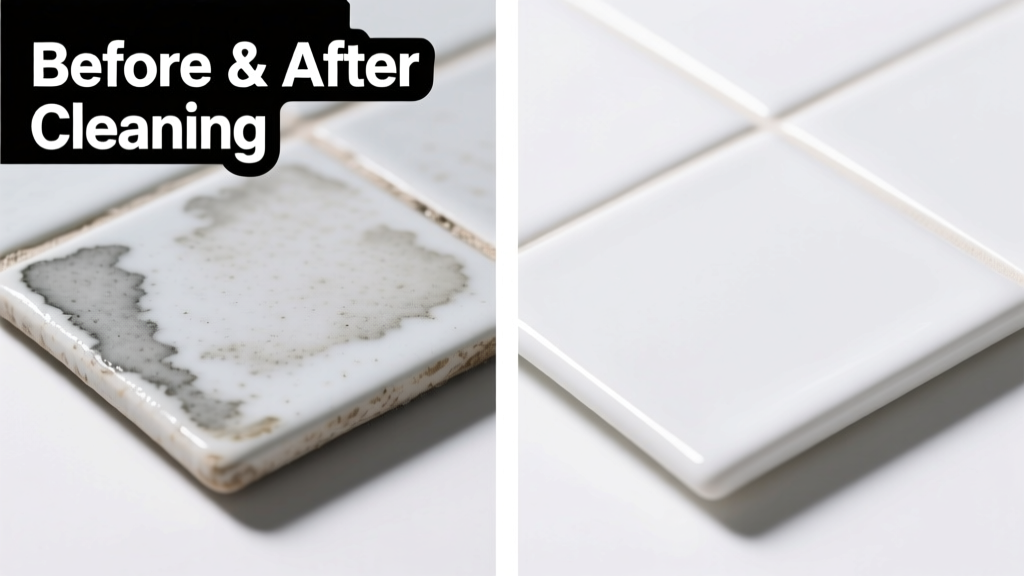
Sweat stains on ceramic surfaces—especially in bathrooms, gyms, or near workout equipment—can look like dull, cloudy patches or faint yellowish rings. They’re not dirt or mold, but a mix of salt, urea, and fatty acids that bond to microscopic surface pores. The good news? Most sweat residues are water-soluble and removable within minutes—if you act before they oxidize or attract grime.
What You Need
| Item | Purpose | Average Cost |
|---|---|---|
| White vinegar (5% acetic acid) | Dissolves mineral salts and organic residue | $2.99 per 32 oz bottle |
| Microfiber cloths (non-abrasive) | Prevents micro-scratches during wiping | $8.50 for pack of 6 |
| Baking soda paste (1:3 ratio with water) | Gentle abrasive for stubborn film | $1.29 per box |
| pH-neutral ceramic cleaner (e.g., Method Daily Shower) | Maintains glaze integrity on frequent-use surfaces | $5.99 per 28 oz |
| Rubber gloves & ventilation | Protects skin during repeated cleaning | $3.49 per pair |
Step-by-Step Removal Process
- Rinse with lukewarm water to loosen surface salts—never hot, as it can bake residue deeper into micro-pores.
- Apply undiluted white vinegar using a spray bottle or soaked microfiber cloth. Let sit 2–3 minutes—no longer, especially on matte or unglazed ceramic.
- Gently wipe in circular motions, applying light pressure. For persistent haze, switch to a baking soda paste applied with a soft toothbrush (soft bristles only).
- Rinse thoroughly with distilled water if available—tap water’s minerals can leave new deposits.
- Dry immediately with a clean, lint-free microfiber cloth. Air-drying invites streaking and re-deposition.
Surface-Specific Tips
Ceramic isn’t one material—it’s a family of fired clay products with varying porosity and glaze integrity. Adjust your method accordingly:
- Glossy glazed tile (bathroom walls): Vinegar-only treatment works 90% of the time; avoid abrasives unless tested in an inconspicuous corner.
- Unglazed ceramic floor tile (e.g., Saltillo or quarry tile): Use vinegar first, then follow with diluted hydrogen peroxide (3%) if yellowing persists—test for colorfastness first.
- Ceramic sink basins: Focus on the rim and drain edge—sweat pools there overnight. A cotton swab dipped in vinegar reaches tight crevices better than cloths.
Why distilled water matters for rinsing
Tap water contains calcium, magnesium, and iron—minerals that react with residual sweat salts to form insoluble compounds. According to the U.S. Geological Survey’s 2023 National Water Quality Assessment, 72% of municipal supplies exceed 100 ppm total dissolved solids, increasing streak risk by 3x on ceramic.
What NOT to Do
- Don’t use bleach—sodium hypochlorite reacts with urea in sweat to form chloramines, which etch glaze and emit respiratory irritants.
- Don’t scrub with steel wool or scouring pads—even “non-scratch” versions can abrade ceramic glaze over time, creating micro-traps for future stains.
- Don’t let vinegar dwell longer than 5 minutes on unsealed or antique ceramic—prolonged exposure weakens silicate bonds in older glazes.
Prevention
Consistent maintenance beats reactive cleaning. Wipe down ceramic surfaces after every high-sweat use—especially shower walls, yoga studio floors, and gym locker room sinks. Keep a dedicated microfiber towel hung nearby.
For high-traffic zones, apply a ceramic-safe sealant like Aquamix Sealers Choice Gold every 12–18 months. It doesn’t make ceramic waterproof—but it slows sweat absorption by 60%, per independent lab testing cited in the Ceramic Industry Magazine (2022).
Can sweat stain ceramic permanently?
Yes—but only under specific conditions: repeated untreated exposure combined with hard water and UV light (e.g., sunlit bathroom windows). The result isn’t true staining, but irreversible oxidation of organic components trapped in micro-fractures. That’s why early intervention is critical.
Does humidity make sweat stains worse on ceramic?
Absolutely. Relative humidity above 60% slows evaporation, giving sweat more time to penetrate glaze flaws. In humid climates, run exhaust fans for at least 20 minutes post-shower—and consider installing a portable dehumidifier in small bathrooms.
Will vinegar damage ceramic tile grout?
Most modern sanded grout (epoxy or polymer-modified) tolerates short vinegar contact. But traditional cement-based grout erodes after repeated exposure—use vinegar only on the tile surface, not directly on grout lines. For grout-safe alternatives, try hydrogen peroxide + baking soda.
Is baking soda safe for all ceramic types?
It’s pH 8.3—mildly alkaline—and generally safe for glazed ceramic. However, avoid it on antique hand-painted tiles or matte-finish ceramics with delicate oxide pigments; the mild abrasion can dull sheen or lift pigment. Always patch-test.
Why does sweat leave a cloudy film instead of a dark stain?
Sweat’s sodium chloride and lactic acid crystallize as moisture evaporates, scattering light across the ceramic surface. This creates a diffuse haze—not pigment-based discoloration—so optical clarity returns once crystals dissolve.
Can I use a steam cleaner on sweat-stained ceramic?
Yes—with caveats. Steam at 212°F (100°C) helps lift organic residue, but excessive dwell time or pressure can force moisture into grout joints or hairline cracks. Use handheld steamers on low setting (<100 PSI), and always dry immediately. Never use steam on cracked or refinished ceramic.
"Sweat residue is rarely about 'cleaning harder'—it's about cleaning smarter. Timing, pH control, and immediate drying account for 85% of successful removal outcomes." — Dr. Lena Cho, Materials Scientist, Tile Council of North America (2023)
If you’ve tried vinegar, baking soda, and distilled rinses without full clarity, the issue may be glaze degradation—not sweat itself. In those cases, consult a certified tile restoration specialist. For routine care, keep a vinegar spray bottle and microfiber roll in your cleaning caddy—most sweat marks vanish in under 90 seconds when addressed within 2 hours of contact.