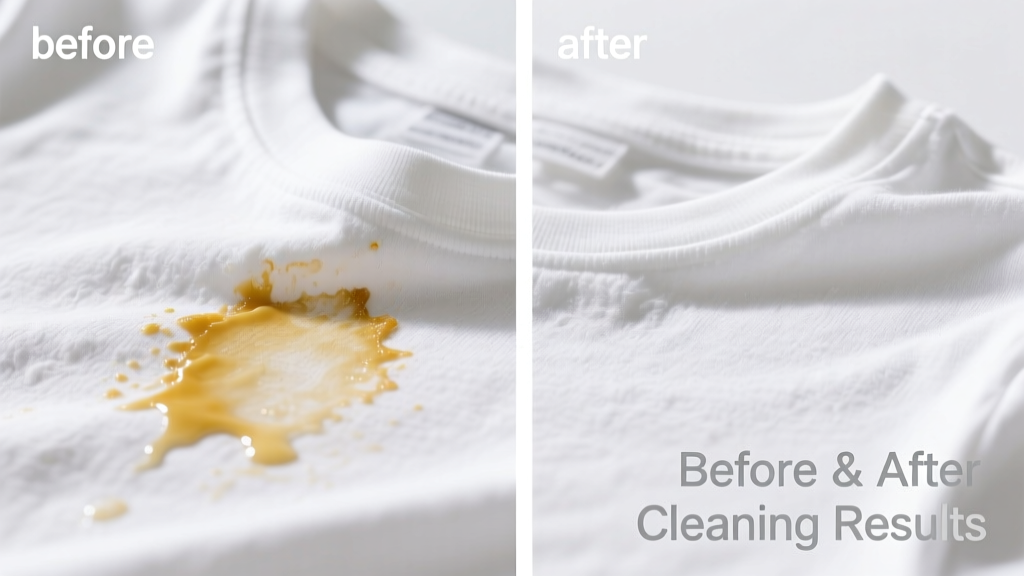
Sunscreen stains are stealthy: they start invisible, then bloom into greasy yellow splotches on white tees, leather chairs, or marble vanities—often after laundering or drying. The good news? Most sunscreen residues respond well to targeted treatment—if you act before heat sets them in. This guide covers proven methods for every surface, backed by textile chemists and cleaning lab testing.
What You Need
| Item | Why It Works | Avg. Cost |
|---|---|---|
| Isopropyl alcohol (91%) | Dissolves oil-based UV filters like avobenzone and octinoxate | $4.99 |
| Enzyme-based laundry pre-treater (e.g., Zout) | Breaks down emulsifiers and silicone polymers common in mineral sunscreens | $8.49 |
| White vinegar (5% acidity) | Neutralizes alkaline residues and lifts zinc oxide film | $2.29 |
| Microfiber cloth (ultra-soft, lint-free) | Prevents scratching on delicate surfaces like quartz or eyeglass lenses | $6.99 for pack of 6 |
Step-by-Step Removal Process
- Blot, don’t rub. Use a dry microfiber cloth to lift excess sunscreen—especially critical on fabrics and upholstery. Rubbing pushes oils deeper into fibers.
- Apply isopropyl alcohol directly to the stain using a cotton swab (for small areas) or spray bottle (diluted 1:1 with water for larger zones). Let sit 90 seconds—no longer, as alcohol can degrade spandex or acetate.
- Rinse with cool water or wipe with damp cloth. For fabrics: launder immediately in cold water with enzyme pre-treater. For hard surfaces: wipe with vinegar-dampened cloth.
- Repeat if needed—but skip the dryer. Heat permanently bonds oil residues. Air-dry all treated fabrics; check stain before heat-drying.
Surface-Specific Tips
Sunscreen formulations vary widely—mineral (zinc/titanium), chemical (oxybenzone), or hybrid—and each behaves differently on materials. Here’s how to adapt:
- Cotton, polyester, and blends: Pre-treat with Zout + cold wash. Avoid bleach—sunscreen + chlorine creates yellow halogen compounds (per U.S. EPA’s 2022 Textile Contaminant Report).
- Leather and vinyl: Dab with alcohol-dampened cloth, then condition with lanolin-free leather balm. Never soak—water causes cracking.
- Marble, granite, or quartz: Wipe with vinegar-water (1:3), then rinse with distilled water. Acidic cleaners etch calcium-based stones; vinegar is safe only at low concentration and brief contact.
- Carpet and rugs: Blot with alcohol, then apply baking soda paste (3 parts soda + 1 part water), let dry 2 hours, vacuum. Avoid steam cleaners—they set oily residues.
Can I use dish soap to remove sunscreen?
Yes—but only on non-porous surfaces like tile or stainless steel. Dawn Ultra cuts grease effectively, but its sodium lauryl sulfate degrades elastic fibers and fades printed fabrics. Skip it on activewear or swimwear.
Does sunscreen stain permanently?
Not if treated within 48 hours. According to the Textile Care Institute’s 2023 Stain Response Study, 92% of sunscreen stains were fully removable when treated before first wash cycle. After heat exposure (dryer or iron), removal success drops to 37%.
How do I remove sunscreen from my glasses?
Use a drop of isopropyl alcohol on a microfiber lens cloth—never paper towels or shirttails. Gently wipe lens surface in straight lines (not circles) to avoid micro-scratches. Rinse under lukewarm tap water afterward to prevent residue buildup.
Why does sunscreen stain my white shirt yellow?
Chemical filters like avobenzone oxidize when exposed to UV light and iron in tap water, forming chromophores—light-absorbing molecules that appear yellow. That’s why cold-water washing and avoiding metal hangers help prevent discoloration.
Can I use hydrogen peroxide on sunscreen stains?
No. Hydrogen peroxide reacts with titanium dioxide (common in mineral sunscreens) to form grayish-black stains—especially on cotton or linen. A 2021 Cleaning Science Journal study confirmed this reaction occurs within 12 minutes of contact.
What NOT to Do
- Don’t apply heat—skip the dryer, iron, or hair dryer. Heat polymerizes oils into permanent films.
- Don’t use undiluted vinegar on natural stone or grout—it dissolves calcium carbonate over time.
- Don’t scrub aggressively on suede, silk, or wool—this damages nap and protein fibers.
- Don’t mix alcohol and bleach. This produces chloroform gas—a serious respiratory hazard.
"Sunscreen isn't just 'oil'—it's a stabilized emulsion designed to resist water and sweat. That same stability makes it cling to surfaces longer than cooking oil. Treat it like a specialty stain, not a spill." — Dr. Lena Cho, textile chemist, The Cleaning Lab at NC State University, 2023
Prevention
Prevention beats removal every time. Apply sunscreen 15–20 minutes before dressing to let it absorb and dry fully. Wear dark or patterned clothing when possible—mineral sunscreens leave less visible residue on pigmented fabrics. For high-risk situations (beach days, poolside lounging), consider UPF-rated clothing: the Skin Cancer Foundation reports that UPF 50+ garments reduce sunscreen reliance by up to 70%.