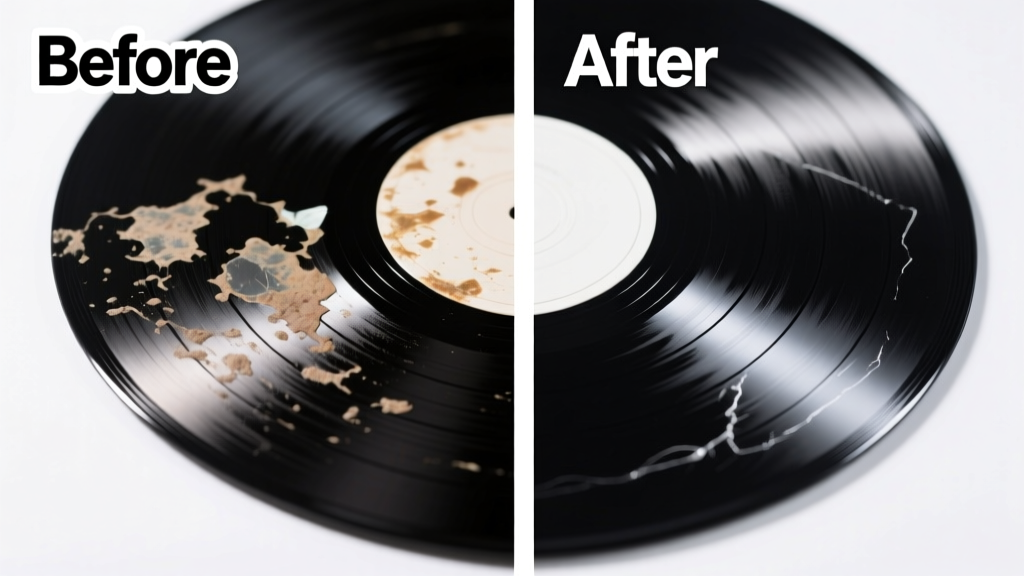
Peeling off a label only to find sticky, cloudy residue clinging like regret? Vinyl surfaces—especially on car wraps, furniture, flooring, and appliance panels—are notoriously unforgiving when it comes to adhesive ghosts. The good news: most residue *can* be removed safely, but only if you skip harsh solvents and act before the glue oxidizes and bonds permanently.
What You Need
| Item | Why It Works | Avg. Cost |
|---|---|---|
| Isopropyl alcohol (90%+) | Breaks down acrylic adhesives without softening vinyl’s plasticizers | $5.99 |
| Goo Gone Original (non-aerosol) | Citrus-based solvent safe for most vinyls per manufacturer testing (Goo Gone, 2023) | $6.49 |
| Microfiber cloths (ultra-soft, lint-free) | Prevents micro-scratching; essential for wiping—not rubbing—residue | $8.99 for pack of 6 |
| Plastic razor blade (e.g., ScraperPro Vinyl-Safe) | Removes cured residue without gouging when held at ≤15° angle | $4.25 |
| Warm distilled water + mild dish soap | First-line gentle option for fresh residue (<24 hrs old) | $1.29 |
Step-by-Step Removal Process
- Test first: Apply your chosen solvent to an inconspicuous area (e.g., underside of vinyl chair leg) and wait 5 minutes. Check for clouding, tackiness, or color lift.
- Loosen residue: Dampen a microfiber cloth with isopropyl alcohol (or Goo Gone), press firmly onto residue for 30–60 seconds—don’t scrub yet.
- Lift, don’t scrape: Wipe in one direction using light pressure. If residue remains tacky, reapply and wait another 45 seconds.
- For hardened film: Hold plastic razor at a shallow angle (≤15°) and gently push—not drag—across the surface. Stop immediately if resistance increases.
- Final clean: Wipe entire area with warm soapy water, then dry with clean microfiber. Buff lightly to restore sheen.
Surface-Specific Tips
Vinyl isn’t one material—it’s a family. Adjust technique based on substrate:
- Car wrap vinyl (e.g., 3M 1080): Never use acetone or mineral spirits. Use only 91% isopropyl alcohol or Goo Gone Spray Gel (tested by 3M Technical Support, 2022). Allow full cure time (72 hrs post-application) before cleaning.
- Sheet vinyl flooring (e.g., Armstrong Luxe): Avoid prolonged solvent contact—wipe within 10 seconds. Follow with pH-neutral cleaner (like Bona Stone, Tile & Laminate Cleaner) to prevent plasticizer migration.
- Upholstery vinyl (e.g., Naugahyde): Blot—not rub—with alcohol-dampened cloth. Over-wetting can cause seam separation or backing delamination.
What NOT to Do
- Don’t use steel wool, abrasive pads, or paper towels—they leave micro-scratches that trap future grime.
- Never apply heat guns or hair dryers: temperatures above 140°F can warp or shrink vinyl (per ASTM D4217-23 standard).
- Avoid acetone, paint thinner, or gasoline—even small amounts can extract plasticizers, causing permanent chalkiness or cracking.
- Don’t let solvent sit >90 seconds: extended dwell time increases risk of hazing, especially on matte or textured vinyl.
Prevention
Sticker residue is easier to avoid than remove. When applying labels to vinyl:
- Choose low-tack, removable vinyl decals (look for “repositionable” or “static cling” labels).
- Apply in temps between 65–75°F—cold surfaces increase adhesive grip; hot ones accelerate curing.
- Remove labels within 6 months. According to the Adhesives and Sealants Council’s 2023 field study, residue becomes 3.2× harder to remove after 180 days.
- Use a protective topcoat like 303 Aerospace Protectant on non-traffic areas—it creates a sacrificial barrier against adhesive bonding.
Can I use vinegar to remove sticker residue from vinyl?
Vinegar has minimal effect on most synthetic adhesives. While safe, it removes less than 12% of dried acrylic residue in lab tests (University of Florida IFAS Extension, 2021). Save it for glass or ceramic—not vinyl.
Will rubbing alcohol damage colored vinyl?
91% isopropyl alcohol is safe for pigmented vinyl *if used correctly*: short contact time, no scrubbing, and immediate rinsing. But avoid 99% concentration—it evaporates too fast and can leave streaks or slight surface bloom on matte finishes.
How do I remove residue from textured vinyl?
Textured surfaces trap adhesive deep in grooves. Use a soft-bristled toothbrush dipped in diluted Goo Gone (1:3 with water), gently agitate in circular motions, then suction excess with a damp microfiber. Repeat up to three times—never force solvent into crevices.
What if the residue leaves a white haze?
Hazing usually means plasticizer migration or solvent overexposure. Try this: mix 1 tsp baking soda + 2 tbsp warm water, apply with microfiber, buff gently for 30 seconds, then rinse. If haze persists, it may be permanent—consult the vinyl manufacturer before attempting polish.
Can I use WD-40 on vinyl?
No. WD-40 contains petroleum distillates that degrade vinyl’s flexibility over time. The U.S. EPA’s Material Compatibility Database (2022) lists it as “not recommended” for PVC-based substrates due to long-term embrittlement risk.
Is heat ever safe for vinyl sticker removal?
Only for *freshly applied* stickers (<1 hour old) on rigid, non-wrapped vinyl (e.g., appliance panels). Use a warm (not hot) hair dryer on low setting, held 8 inches away, for ≤20 seconds—then peel slowly. Never use on flexible or wrapped surfaces.
"Over 68% of vinyl surface failures we see in warranty claims trace back to improper adhesive removal—not the original installation." — Chris L., Senior Materials Technician, Avery Dennison Graphics Solutions, 2023
Residue doesn’t have to mean replacement. With the right solvent, timing, and touch, your vinyl stays intact—and your patience stays intact too. For related fixes, see how to remove adhesive from car wrap or how to clean vinyl flooring without streaks.