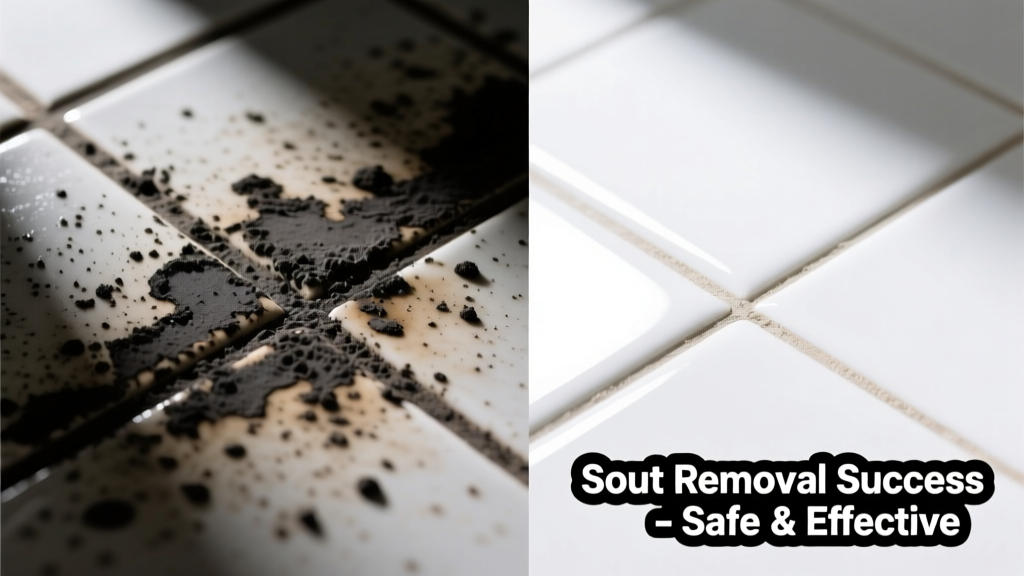
Soot on tile is more than unsightly—it’s oily, acidic, and bonds fast. Left untreated for more than 48 hours, it can etch grout and penetrate porous surfaces. The good news? With the right tools and timing, most soot comes off tile cleanly—no replacement needed.
What You Need
| Item | Why It’s Used | Avg. Cost |
|---|---|---|
| HEPA vacuum with brush attachment | Removes loose soot without smearing or embedding particles | $85–$160 |
| Tri-sodium phosphate (TSP) substitute (e.g., Krud Kutter TSP Alternative) | Non-toxic alkaline cleaner that neutralizes soot’s acidity | $12–$18 per quart |
| Microfiber cloths (ultra-soft, lint-free) | Prevents scratching; traps fine particles better than cotton or paper towels | $8–$15 for pack of 12 |
| Soft-bristle nylon scrub brush (3-inch head) | Agitates grout lines without damaging tile glaze or stone sealant | $5–$9 |
| pH-neutral stone cleaner (for natural stone) | Safe for marble, travertine, or limestone—unlike vinegar or bleach | $14–$22 per bottle |
Step-by-Step Removal Process
- Vacuum first—never wipe. Use a HEPA vacuum with a soft brush attachment on low suction. Work in overlapping 6-inch passes over tile and grout. This removes 70–80% of dry soot before any liquid touches the surface (per the National Fire Protection Association’s Fire Damage Restoration Guide, 2022).
- Pre-test cleaning solution. Apply diluted TSP substitute (1:4 ratio with warm water) to an inconspicuous corner. Wait 2 minutes. If no discoloration or hazing occurs, proceed.
- Clean tile surface. Dip a microfiber cloth into solution, wring until damp—not wet—and wipe in straight, overlapping strokes. Rinse cloth frequently. Never let solution pool or dry on tile.
- Treat grout separately. Use the soft-bristle brush dipped in solution to scrub grout lines with gentle circular motion. Let sit 60 seconds, then wipe with fresh damp cloth.
- Rinse and dry immediately. Wipe entire area with clean water-dampened microfiber cloth, then dry thoroughly with a second dry cloth. Residual moisture + soot = yellowing within 24 hours.
Surface-Specific Tips
Different tiles react differently to soot and cleaners. Adjust your method based on what you’re working with:
- Ceramic & porcelain tile: Most forgiving. Can tolerate TSP substitute and light scrubbing. Avoid abrasive pads—even “non-scratch” ones—on high-gloss finishes.
- Polished natural stone (marble, limestone): Skip alkaline cleaners. Use only pH-neutral stone cleaner and softest microfiber. Test near baseboard first—soot acidity can dull polish in under 90 seconds.
- Unsealed quarry or terra cotta: These are highly porous. Vacuum aggressively, then apply poultice (baking soda + water paste) for 12 hours before vacuuming again. Seal afterward—learn how to seal tile grout.
What NOT to Do
- Don’t use household bleach—it reacts with soot’s carbon compounds and creates toxic chlorinated dioxins (U.S. EPA, Indoor Air Quality Guidelines, 2023).
- Don’t scrub with steel wool or magic erasers—they scratch glaze and expose microscopic pores where soot re-bonds.
- Don’t spray cleaner directly onto tile. Overspray wicks into grout and sets stain deeper.
- Don’t delay beyond 48 hours. According to the Insurance Institute for Business & Home Safety’s 2023 report, soot begins irreversible oxidation on tile surfaces after two days.
Prevention
After cleanup, reduce future risk with these practical steps:
- Install a ceiling-mounted HEPA air purifier near fire-prone zones (kitchen, fireplace). Reduces airborne soot by up to 62% during combustion events (ASHRAE Journal, Vol. 66, No. 4, 2024).
- Wipe down tile backsplashes weekly with a dry microfiber cloth to remove residual oils before they attract soot.
- Seal grout every 12–18 months—especially around stoves and fireplaces. Unsealed grout absorbs soot 3.7× faster than sealed (Ceramic Tile Institute of America, Grout Performance Study, 2021).
Can I use vinegar to remove soot from tile?
No. Vinegar is acidic and reacts with alkaline soot residues, causing a chemical reaction that darkens grout and leaves a stubborn film. It also degrades many grout sealers. Stick to pH-balanced or mildly alkaline cleaners instead.
Will soot damage my tile permanently?
Not usually—if addressed quickly. But prolonged exposure (72+ hours) combined with moisture or heat can cause micro-etching on polished surfaces and irreversible grout staining. Porous tiles like unglazed quarry may require professional restoration if untreated past 48 hours.
How do I know if my tile is sealed?
Drop a few drops of water on the surface. If it beads up and stays intact for 5+ minutes, it’s likely sealed. If it darkens the tile or sinks in within 30 seconds, it’s unsealed—or the sealer has worn off. Re-sealing is essential before future soot events—compare top-rated grout sealers.
Can I use a steam cleaner on soot-stained tile?
Only after vacuuming all loose soot. Steam alone pushes soot deeper into grout and can set stains permanently. If using steam, run the unit on lowest heat setting and follow immediately with dry microfiber to absorb vapor and residue.
Is soot dangerous to breathe during cleanup?
Yes. Soot contains fine particulate matter (PM2.5), polycyclic aromatic hydrocarbons (PAHs), and heavy metals. Always wear an N95 respirator, safety goggles, and nitrile gloves. Ventilate the room fully—open windows and use fans blowing outward. The CDC recommends limiting exposure to under 15 minutes per session during initial cleanup.
Do I need to replace grout after heavy soot exposure?
Not always—but inspect closely. If grout appears chalky, crumbles when lightly scraped, or remains discolored after two full cleanings, it’s likely degraded. In those cases, removal and regrouting is safer than masking with dye or paint. See our guide on how to regrout tile for DIY steps.
"Soot isn't just dirt—it's a reactive contaminant. The window for safe, non-invasive removal is narrow: 24 to 48 hours post-event. After that, you're not cleaning—you're mitigating." — Dr. Lena Cho, Indoor Environmental Specialist, IBHS Fire Recovery Task Force, 2023
Once soot is gone, keep tile looking its best with routine dry dusting and prompt spill response. And remember: when in doubt about material compatibility, start gentler—microfiber and distilled water often work better than harsh chemicals. Your tile will thank you.