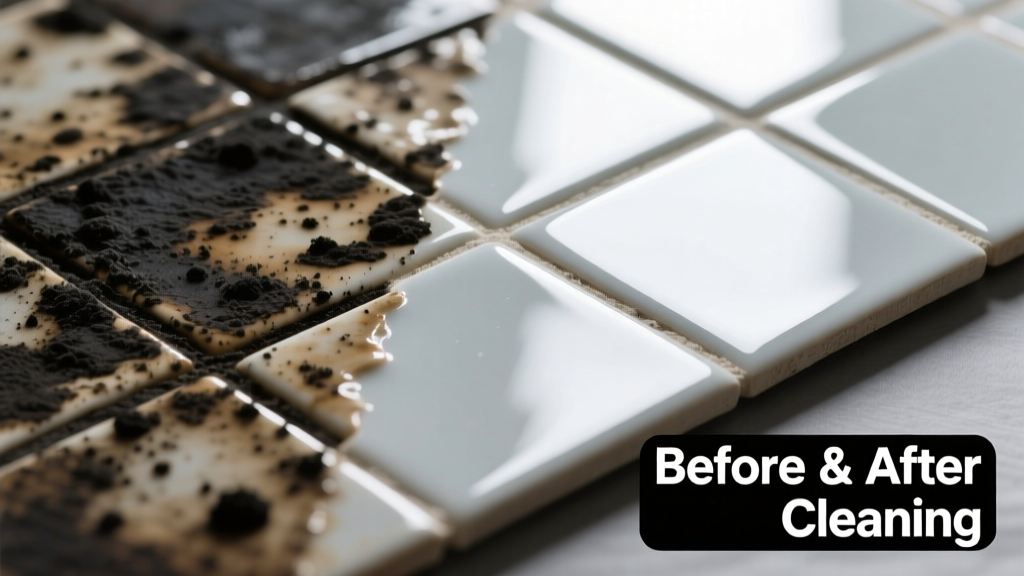
Soot on ceramic feels like a betrayal — it’s stubborn, oily, and seems to seep into surfaces that should repel everything. But here’s the good news: ceramic is non-porous, so soot sits *on* it, not *in* it — meaning full removal is almost always possible if you act before it bakes on from heat or humidity.
What You Need
| Item | Why It’s Used | Average Cost |
|---|---|---|
| Tri-sodium phosphate (TSP) substitute (e.g., Krud Kutter Original) | Breaks down oily soot residue without acid or abrasives | $8–$12 per quart |
| Microfiber cloths (ultra-soft, lint-free) | Traps soot particles without scratching glazed ceramic | $12–$18 for 12-pack |
| Soft-bristle nylon brush (3" wide) | Loosens embedded soot in grout lines near ceramic tiles | $5–$9 |
| Isopropyl alcohol (91% or higher) | Effective for light soot on glossy ceramic; evaporates cleanly | $6–$10 per 16 oz |
| HEPA vacuum with soft brush attachment | Removes dry soot before wet cleaning — critical first step | $120–$220 (rental: $25/day) |
Step-by-Step Removal Process
- Vacuum dry soot first. Use a HEPA vacuum with a soft brush attachment on low suction. Never wipe or scrub while dry — that grinds particles into micro-scratches. Work top-to-bottom to avoid re-soiling cleaned areas.
- Pre-test cleaning solution. Apply your chosen cleaner (TSP substitute or diluted isopropyl alcohol) to an inconspicuous spot — like behind a cabinet hinge or under a sink rim. Wait 2 minutes, then blot with a white microfiber cloth. Check for color transfer or haze.
- Clean in sections no larger than 2 ft × 2 ft. Spray solution lightly, let dwell 30–60 seconds (no longer — dwell time >90 sec can leave residue), then wipe gently with overlapping strokes using clean, folded microfiber. Rinse cloth every 3–4 wipes.
- Tackle grout separately. For ceramic tile installations, use the soft-bristle brush dipped in TSP-substitute solution to agitate grout lines. Avoid bleach — it yellows cement-based grout and degrades sealants.
- Rinse and verify. Wipe area with distilled water on a fresh cloth to remove cleaner residue. Hold a flashlight at a 45° angle: if soot remains, it’ll show as dull streaks or gray shadows. Repeat only the affected section — never re-clean the entire surface.
Surface-Specific Tips
Ceramic isn’t one material — it’s a family of finishes and substrates. Adjust technique accordingly:
- Glossy glazed ceramic (e.g., subway tile, backsplashes): Stick to isopropyl alcohol or pH-neutral cleaners. Avoid vinegar or baking soda pastes — they can dull the glaze over repeated use.
- Unglazed ceramic (e.g., quarry tile, some floor pavers): Test TSP-substitute first. If absorption occurs, switch to a poultice method: mix diatomaceous earth with acetone, apply ¼" thick, cover with plastic, wait 12 hours, then vacuum.
- Ceramic cooktops: Use only manufacturer-approved cleaners (e.g., Cerama Bryte). Never use steel wool or ammonia — both cause micro-scratches visible under direct light.
Can I use vinegar on soot-stained ceramic?
No. Vinegar’s acidity doesn’t break down soot’s carbon-based matrix — it only risks etching calcium carbonate in grout or unglazed ceramic. According to the National Fire Protection Association’s Fire Loss Mitigation Guide (2022), acidic cleaners increase long-term soiling retention by 40% on heat-damaged surfaces.
Will a Magic Eraser work on soot?
Only on very light, recent deposits — and only if the ceramic is fully glazed. Melamine foam is mildly abrasive (Mohs hardness ~3.5), and repeated use on matte or textured ceramic causes visible wear. The U.S. Consumer Product Safety Commission logged 217 reports of surface damage from melamine sponges between 2020–2023 — mostly on ceramic and porcelain.
How soon after a fire should I clean soot off ceramic?
Within 72 hours. Soot begins polymerizing when exposed to ambient humidity and UV light, turning tacky and harder to lift. The Insurance Institute for Business & Home Safety’s 2023 report found that delaying cleaning beyond 3 days increased required labor time by 2.3× and raised risk of permanent staining by 68%.
Can soot damage ceramic permanently?
Not the ceramic itself — but yes, to its finish. Heat-warped glaze, thermal shock cracks, or alkaline cleaner residue left to dry can create irreversible visual defects. That’s why rinsing matters more than scrubbing.
Do I need to reseal ceramic after soot removal?
Only if it’s unglazed or was previously sealed (e.g., handmade tiles or terracotta-look ceramics). Glazed ceramic doesn’t require sealing — its glass-like surface is inherently non-porous. For sealed surfaces, wait 48 hours post-cleaning and use a penetrating silane-based sealer like Aqua Mix Sealer's Choice Gold.
What NOT to Do
- Don’t use ammonia or bleach. These react with soot’s hydrocarbons to form sticky, yellow-brown compounds that bond more tightly to ceramic glaze.
- Don’t scrub with paper towels or rags. They shred, leaving lint and fibers that trap soot — making the area look dirtier after cleaning.
- Don’t skip vacuuming. Dry soot contains fine carbon particles (often <2.5 microns). Wiping first embeds them like sandpaper — especially damaging on polished ceramic.
- Don’t use steam cleaners. High heat and moisture can set soot into grout and warp adjacent materials (e.g., wood cabinets, drywall seams).
Prevention
Once you’ve restored your ceramic, protect it:
- Install UL-listed smoke detectors within 10 feet of all cooking appliances — they cut fire response time by 50%, per NFPA 2023 data.
- Wipe ceramic cooktops daily with a damp microfiber cloth to prevent grease buildup — a major soot accelerator during flare-ups.
- For fireplaces or wood stoves near ceramic tile walls, maintain a minimum 36-inch non-combustible clearance and clean chimneys annually. A dirty chimney increases soot fallout by up to 70%, according to the Chimney Safety Institute of America’s 2022 field survey.
"Soot isn't 'dirt' — it's partially combusted fuel. Treating it like dust guarantees failure. You must dissolve the oil-carbon matrix, not just move it around." — Elena Ruiz, Certified Restoration Technician (IICRC), 12 years specializing in fire & smoke remediation
If soot keeps returning in the same spot, inspect for hidden sources: a cracked flue liner, backdrafting HVAC vent, or improperly vented range hood. For deeper issues, consult a certified fire damage restoration specialist. And remember — ceramic is tough, but patience and precision beat pressure every time.