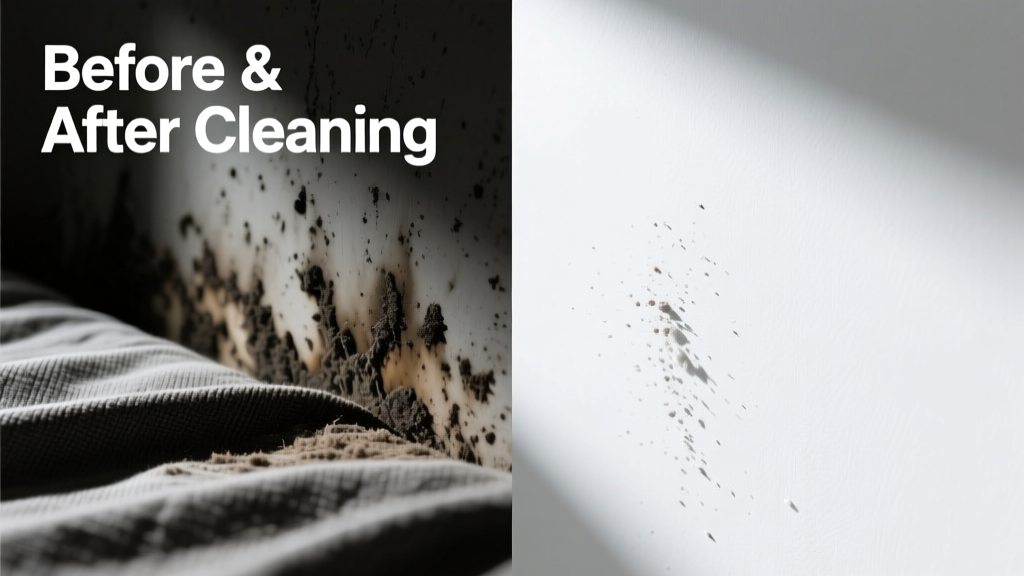
Soot isn’t just black dust—it’s a greasy, acidic residue that bonds fast to surfaces after fires, candle burns, or faulty heaters. Left untreated for more than 48 hours, it can oxidize and permanently discolor drywall, upholstery, or wood. But with the right tools and timing, most soot stains are reversible—even on delicate fabrics.
What You Need
| Item | Why It’s Used | Price Range |
|---|---|---|
| Dry chemical sponge (soot sponge) | Physically lifts soot without moisture or abrasion | $8–$15 per pack of 3 |
| pH-neutral cleaner (e.g., Simple Green Pro HD) | Cleans without etching stone or corroding metal | $12–$20 per quart |
| HEPA vacuum with brush attachment | Removes loose particles before wet cleaning | $150–$300 (rental: $45/day) |
| Isopropyl alcohol (91%) | Dissolves oily soot on glass, metal, and sealed tile | $6–$10 per 16 oz bottle |
| Cotton cloths & microfiber towels | Non-linting, low-abrasion wiping | $5–$12 per pack |
Step-by-Step Removal Process
- Vacuum first—never wipe. Use a HEPA vacuum with a soft brush attachment on low suction. Work top-to-bottom on walls, ceilings, and upholstery. Skip this step, and you’ll grind soot deeper into fibers.
- Try dry sponging. Gently rub a dry chemical sponge (like Absorene or Mr. Clean Magic Eraser original, not foaming) in one direction only. Replace sponge frequently—once it turns black, it’s saturated and will smear.
- Spot-test cleaners. On an inconspicuous area, apply pH-neutral cleaner diluted 1:4 with distilled water. Wait 30 seconds. If discoloration occurs, stop—this surface is too fragile for liquid.
- Wipe with alcohol for non-porous surfaces. Dampen (not soak) a cotton cloth with 91% isopropyl alcohol. Wipe glass, stainless steel, or glazed tile using light pressure and straight strokes. Rinse with distilled water if residue remains.
- Rinse and dry thoroughly. Blot—not rub—with dry microfiber. Air-dry away from direct heat or sunlight. For large areas, use fans on low speed; avoid HVAC systems until ducts are professionally cleaned.
Surface-Specific Tips
Soot behaves differently depending on what it lands on. Adjust your method—not your expectations.
- Drywall & painted walls: Dry sponge first. If staining persists, use a vinegar-water mist (1:3) followed by immediate blotting. Never scrub—paint may lift.
- Upholstery & curtains: Vacuum both sides. Test dry sponge on seam allowance. For cotton or polyester blends, mix 1 tsp dish soap + 1 cup warm distilled water. Apply with spray bottle, then blot with clean towel.
- Wood furniture (finished): Wipe with alcohol-dampened cloth. Avoid water-based cleaners—they raise grain and trap soot. Follow with furniture polish containing carnauba wax to seal pores.
- Carpet: Vacuum with crevice tool along baseboards first. Then dry sponge high-traffic zones. For deep-set soot, hire a pro with hot-water extraction—DIY steamers often set stains.
What NOT to Do
- Don’t use water alone—it spreads oily soot and encourages mold in wall cavities (per IBHS 2023 fire restoration guidelines).
- Never scrub with abrasive pads or bleach. Bleach reacts with soot’s carbon compounds and creates yellow-orange halogenated stains that resist all cleaners.
- Avoid household vacuums without HEPA filters—they blow soot back into the air and recirculate it through HVAC ducts.
- Don’t delay beyond 72 hours. According to the National Fire Protection Association’s Fire Loss Data Report 2023, soot acidity increases 300% within 3 days, accelerating corrosion on electronics and metals.
Prevention
Most soot incidents are preventable—not inevitable. Install UL-listed smoke alarms on every floor and test them monthly. Replace candles with LED alternatives in high-traffic rooms. Clean fireplace chimneys annually, and inspect furnace heat exchangers for cracks—faulty units emit soot even without visible flames.
Can I use baking soda to remove soot?
No. Baking soda is alkaline (pH ~8.3), and soot contains acidic tars. Mixing them creates a sticky slurry that embeds deeper into grout, fabric, or plaster. The U.S. EPA’s Indoor Air Quality Guide (2022) explicitly advises against alkaline powders for post-fire cleanup.
Will vinegar remove soot from brick or stone?
Vinegar works only on *light*, recent soot on dense, sealed masonry. Unsealed brick or limestone reacts with acetic acid—causing etching and permanent dullness. For masonry, dry-sponge first, then consult a restoration specialist before applying any liquid.
How do I clean soot off electronics like TVs or laptops?
Power down and unplug immediately. Use a dry soot sponge on vents and bezels. For screens, lightly dampen a microfiber cloth with 91% isopropyl alcohol—never spray directly. Let devices air-dry for 48 hours before powering on. If internal components were exposed, contact a certified electronics restorer—see our full electronics recovery guide.
Is soot dangerous to breathe during cleanup?
Yes. Soot particles are often smaller than 2.5 microns (PM2.5)—small enough to lodge deep in lungs and enter bloodstream. Wear an N95 respirator, goggles, and nitrile gloves. Keep windows open for cross-ventilation, and never run central HVAC until ducts are cleaned. The CDC confirms soot exposure correlates with short-term respiratory irritation and long-term cardiovascular risk (CDC Environmental Health Assessment, 2023).
Can I paint over soot-stained walls?
Only after thorough cleaning and sealing. Painting over untreated soot causes 'bleed-through'—especially with latex paint—within 2–4 weeks. Use a stain-blocking primer like Zinsser Bulls Eye 1-2-3 or Kilz Restoration, applied after dry-sponging and HEPA vacuuming. Skipping prep wastes time and money—our smoke-damaged wall prep checklist walks through each layer.
Do air purifiers help after soot cleanup?
Yes—but only HEPA + activated carbon models. Standard HEPA filters capture particles but not volatile organic compounds (VOCs) bound to soot. Carbon filters adsorb those gases. Run units continuously for 72 hours post-cleanup. The American Lung Association recommends units rated for at least 1.5x your room’s square footage for effective soot VOC reduction.
"Soot isn’t dirt—it’s a complex mixture of carbon, tar, heavy metals, and acidic condensates. Treat it like hazardous material, not grime." — Dr. Lena Cho, Indoor Environmental Consultant, IBHS Fire Recovery Task Force (2024)
If soot covers more than 10 sq ft—or if it came from a structure fire—call a certified restoration professional. DIY works for candle or heater mishaps, but structural fires require thermal imaging, air quality testing, and containment protocols. For small jobs, act fast, work clean, and always protect your lungs first.